
Residency Program

Family Medicine Residency Program
To prepare full-spectrum family physicians from a wide range of backgrounds through robust clinical experiences to provide family-centered, community-responsive care for all, and advocate for patients navigating complex medical conditions and social circumstances.
Since 1972, the Department of Family and Community Medicine has been providing excellence in resident training. We have one ACGME-accredited family medicine program with two separate and unique tracks, each named for the location of their continuity clinic experience.
- Alvernon, which focuses on the Tucson community and surrounding areas
- South Campus, which emphasizes rural practice and includes required rural rotations (approximately 16 weeks throughout the three years with no more than three weeks away from Tucson at a time). Travel and lodging is funded by a grant from the Arizona Area Health Education Center.
Our innovative 2+2 program structure for both of our tracks allows residents to have foundational inpatient experiences caring for hospitalized adults, children and maternity patients, coupled with immersive experiences in the outpatient center to build a robust continuity panel in the office. Our curriculum is guided by residents’ feedback and experiences and is designed to provide the knowledge and skills necessary to provide culturally competent care to our diverse patients across their lifespans.
Both tracks share a core set of values:
- Commitment to excellence in education and clinical care, providing rigorous and well-rounded experiences
- Commitment to creating a sustainable, adaptable and inclusive learning environment
- Commitment to serving the needs of the communities of Arizona, especially the those that have been historically marginalized
If you want to apply to both tracks, you must select each track separately under the Program Name: University of Arizona College of Medicine – Tucson Program.
- As part of our curriculum, we have longitudinal threads on resident well-being and resiliency, point of care ultrasound (POCUS), healthcare disparities and advocacy, as well as quality improvement and patient safety.
- We offer the option to apply for distinction tracks in community medicine, Spanish language and healthcare disparities, and global health.
- Residents in our program receive training in integrative medicine through participation in the longitudinal Integrative Medicine in Residency curriculum. Our program weaves these concepts of integrative medicine into our mission of working with underserved populations through our clinical care.
- Family medicine faculty take the principal role in teaching clinical and academic skills, encouraging the development of lifelong skills needed to balance professional and personal roles, and fostering the realization of one’s unique identity as a family physician.
- Our program supports resident involvement in various community projects, and nurtures an enjoyable, respectful and supportive environment.
Curriculum
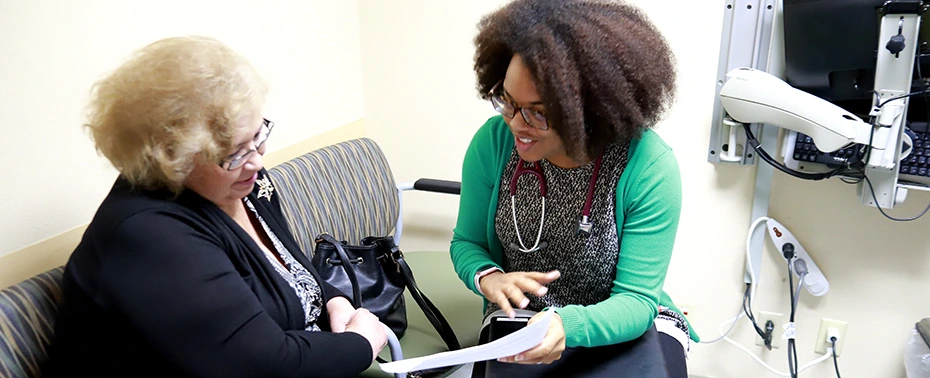
In 2018, we implemented a “2+2” rotation structure. This change focused our residents’ clinical experience on foundational inpatient experiences with equal focus on the outpatient family medicine practice. Residents alternate between two weeks of non-family medicine clinic work and two weeks of outpatient work in the family medicine center, managing their continuity panel.
These changes have resulted in regular resident presence in the family medicine center to facilitate patients’ access to care, close working relationships within our clinic teams and improved preparation for residency graduates to lead interdisciplinary teams.
Example of a block schedule from each track:
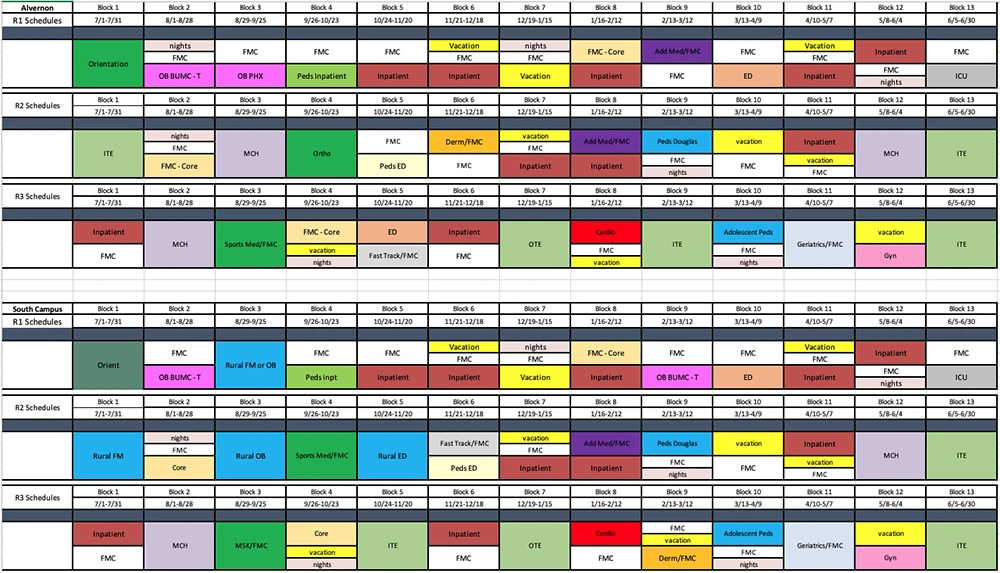
click on image to enlarge
Didactic Day
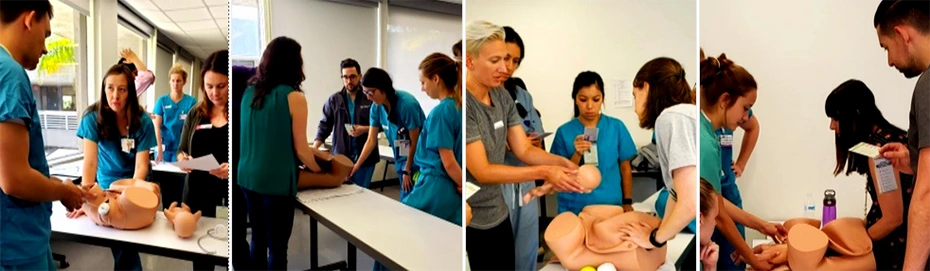
Our didactic sessions take place during protected time every Thursday afternoon. We have a robust curriculum adapted from the Family Medicine Residency Curriculum Resource (RCR) list of high-yield topics and specifically applied to the needs and requests of our residents. The overarching goal of our didactic sessions is to ensure that we graduate capable and knowledgeable family physicians, which is done through a variety of engaging and interactive instruction sessions including resident/faculty topic reviews, Journal Club, Evidence Based Medicine Session, M&Ms, guest lecturers from the university system and surrounding community, integrative medicine sessions, as well as a variety of practice management/QI sessions to provide our residents with additional skill sets in these realms as well.
Each track meets separately once per month to meet with the leadership and staff of their outpatient continuity clinic to work on practice management and quality improvement. This time is also used for sessions specific to the curriculum of each track: South Campus focuses on border health topics and Alvernon has teaching on integrative medicine topics.
Thursday afternoons are also the time we use for team building, resident support groups, as well as meetings with the chief residents and program director.
Longitudinal Workshops
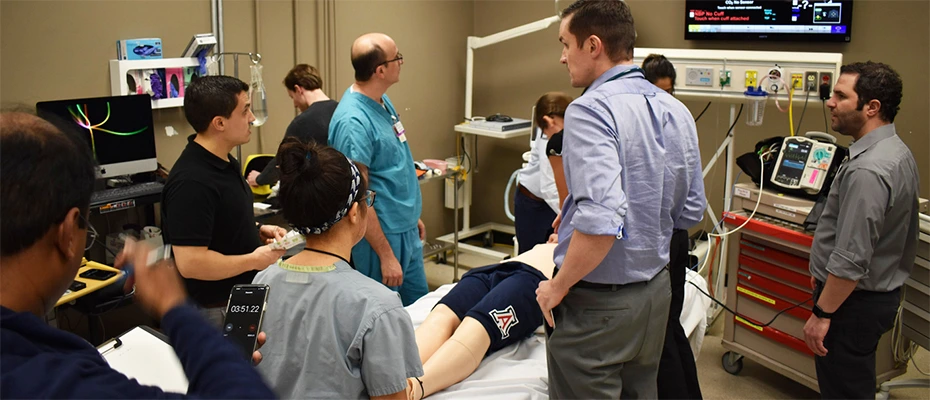
In addition to general topic reviews there are a set of recurring conferences/workshops including:
- Longitudinal point-of-care ultrasound (POCUS) workshops
- Mock code/emergency scenarios
- Procedure workshops
- Behavioral health
- Board review
- Global/“glocal” health oriented lectures quarterly
- Patient Safety and Quality Conference
- Journal Club
- Adults with intellectual disabilities sessions
- Sports medicine workshops
- Scholarly Project meetings
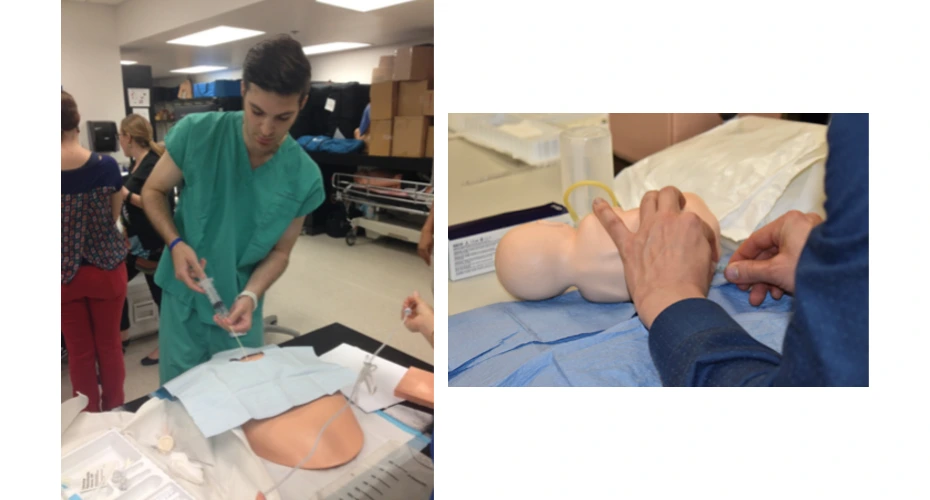
The Integrative Medicine in Residency (IMR) program is a 150+ hour, competency-based curriculum developed by the Arizona Center for Integrative Medicine with the goal to deliver healing-oriented medicine that takes account of the whole person, including all aspects of lifestyle. It emphasizes the therapeutic relationship between practitioner and patient, is informed by evidence and makes use of all appropriate therapies.
The IMR curriculum covers integrative approaches to prevention and chronic illness management providing evidence-based content in lifestyle medicine and behavioral change, nutrition and dietary supplements, botanical medicine, mind-body approaches, environmental health and manual medicine.
This curriculum is available for both tracks.

To complement the online curriculum, there is dedicated time for on-site integrative medicine teaching and activities:
- Hiking
- Yoga
- Qi gong
- Cooking and hands-on nutrition training
- Motivational interviewing training
- Meditation
- Energy medicine
- Mindfulness activities
- Resiliency training

While all residents obtain training and skills in community health through core curriculum and experiences, our community medicine distinction track allows residents to take a deeper dive into developing skills in delivery of healthcare to communities with fewer resources, optimizing patient care and health with community resources, and integrating comprehensive knowledge of the factors that impact health outcomes and the promotion of equal health opportunity into the care of our patients.
The primary experience for community medicine distinction track residents is rotating in the Mobile Health Family Medicine Clinic to provide continuity family medicine care through the Mobile Health Program. Additional educational opportunities as part of that clinic experience and residents include developing a scholarly project in community medicine. All residents will rotate through the Mobile Health Family Medicine Clinic, however community medicine distinction track residents will spend additional time, at least once per month, providing care within the clinic.

Preceptors for the Mobile Health Family Medicine clinics are Nicole Person-Rennell, MD, MPH, FAAFP, and Spencer Menapace, DO.
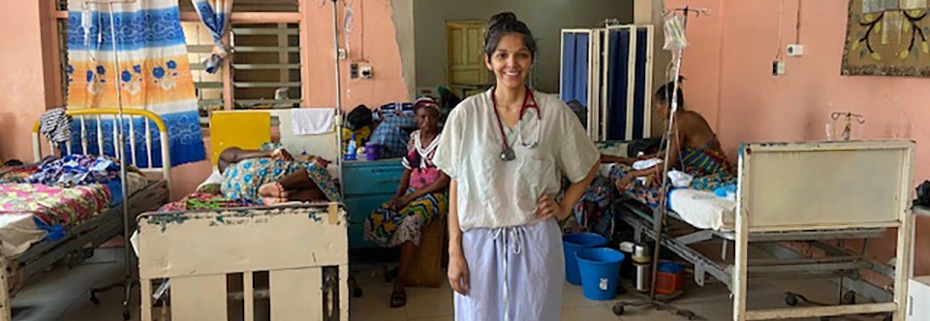
The Global Health Distinction Track provides training to deliver comprehensive, cost-effective and sustainable medical care in underserved areas domestically and abroad. We believe that all people have a right to equitable, culturally responsive healthcare, and we will continue to advocate for fairness, respect and the advancement of health for all of our patients worldwide.
Program Overview
Predominantly completed during the second and third years of residency, the distinction track offers opportunities to develop expertise in the diagnosis and treatment of common tropical conditions and diseases, and to expand clinical knowledge and management skills in preparation for work in areas of limited resources.
By participating in this program you will be poised to:
- Become a clinical leader in global health dedicated to reducing health disparities in medically underserved communities both in the U.S. and internationally
- Appreciate and experience different cultures and increase cultural awareness
- Apply your experience in different healthcare systems improving health in all areas of your practice
- Create more awareness about public health in the U.S. and abroad
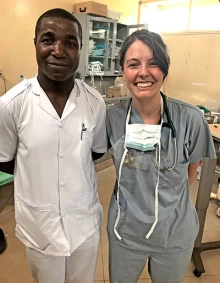
75% of our Global Health Distinction Track graduates continue to serve globally post-residency.
Curriculum
Monthly global health meetings are organized by second- and third-year residents in the Global Health Distinction Track, and are open to all interested residents.
- Journal clubs
- Resident presentations on their rotations
- Global health case simulations
- Global health book club
- Documentaries
- Current event discussions
Use one of your electives to take the University of Arizona Global Health Course in second year.
- Attended by residents, physicians, nurses, public health students and medical students from North America
- Subjects covered include public health, tropical disease, parasitology, HIV, TB, chronic diseases in international setting, women’s health, child health, epidemiology and numerous other relevant topics
The Quarterly Teaching Day Lecture Series is organized by residents and their global health mentors, and include both resident-led didactic sessions and guest lecturers on topics dedicated to international health.
There are multiple opportunities to participate in trips to the U.S.-Mexico border through organizations such as Borderlinks, Flying Samaritans, Manos de Ayudas and others, and opportunities to work with asylum seekers at Casa Alitas and Kino Border Initiative.
During residents’ third year, they receive sponsored attendance at a global health conference, and all residents have access to an online global health ethics course.
There is a minimum of three weeks of Border/Global Health elective and four weeks of international clinical experience for third-year residents:
- Residents are strongly encouraged to use sites well-known to our university’s global health leaders
- Faculty will help establish contacts and develop the plan and goals for the rotation
Residents also participate in a QI/research project on an approved global health topic:
- Required to present at the Global Health Research Day
- Encouraged to present at a conference
Where in the world are our current partnerships?
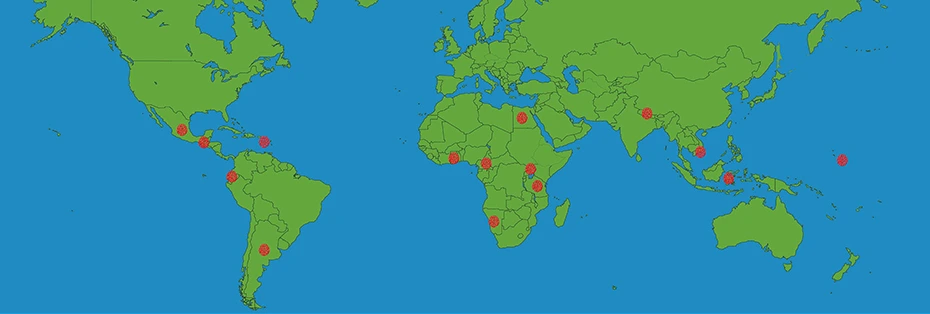
- Ecuador
- Nepal
- Northern India
- Argentina
- Zambia
- Vietnam
- Caribbean islands
- Dominican Republic
- Cambodia
- Rural Canada
- Tanzania
- Ghana
- Marshall Islands


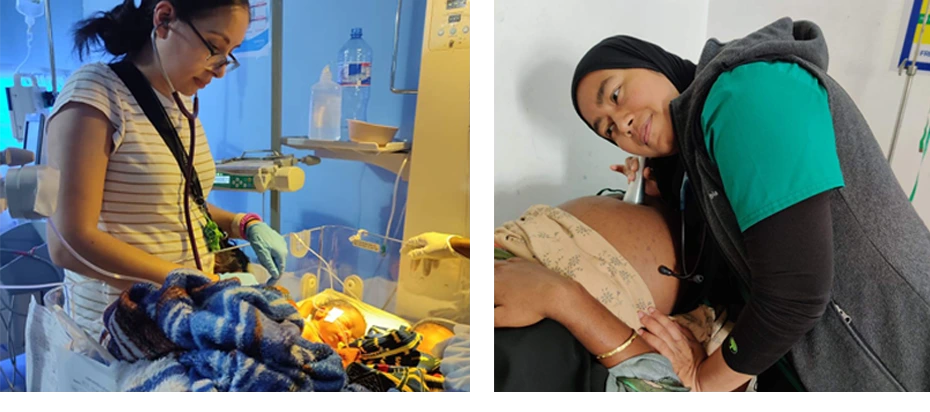

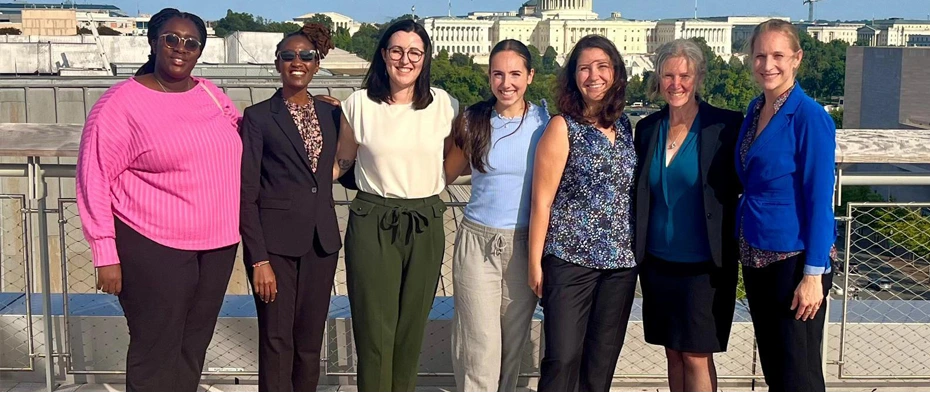
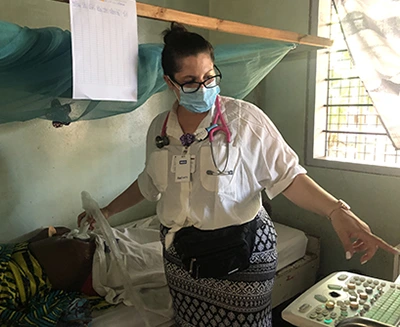
Photos from top to bottom, left to right:
Photo 1: Ana Gonzales in the maternity ward, Ghana
Photo 2: Emma Morrow Goodstein
Photo 3: Tricia Wu examining patient in incubator
Photo 4: Hannah Emerson assisting with a C-section, Tanzania
Photo 5: Kela Bergren examining a patient, rural Ecuador
Photo 6: Georgiana Yang leading a mothers education class, Ghana
Photo 7: Maria Ruiz examining a baby, Tanzania
Photo 8: Nasrin Akter listening for fetal heart tones using a fetoscope, Rohingya Refugee Camp, Bangladesh
Photo 9: Several of our residents taking COVID-19 vaccines and antiparasitics to people in rural Ecuador who cannot access them otherwise
Photo 10: Jaylee Caruso in DC advocating for global health education in residency programs through the National Residency Training advocacy coalition
Photo 11: Sommer Aldulaimi
The Spanish Language/Healthcare Disparities Distinction Track is a two-year program that focuses on strengthening the Spanish language skills of residents to enhance the care of our Spanish-speaking patients. We also cultivate discussions and host forums to educate our fellow residents in cultural competency and healthcare disparities.
Components
- Initial Spanish proficiency testing to determine eligibility
- Continued Spanish proficiency testing to determine progress
- Monthly, one-hour facilitated Spanish classes featuring interactive, systems-based Spanish curriculum
- Access to self-paced Canopy medical Spanish online training modules
- Quarterly healthcare disparity forums organized by participants featuring local community speakers and topics relevant to the local patient population
- Opportunity to take the ALTA Clinician Cultural and Linguistic Assessment (CCLA) exam and become a certified bilingual provider
- Certificate presented at the end of the two-year distinction track indicating completion and bilingual provider status (if applicable)
Background
There are more than 3 million refugees who have been resettled in the U.S. since 1975, most of whom have fled their country of origin for fear of persecution. Refugees in the U.S. often have histories marked by violence, trauma and substandard living conditions in an intermediate country.
Although refugees are often provided with resources immediately upon arrival the U.S., including case managers, social workers, financial support, housing and help enrolling in services, these services are most often discontinued before the refugees are fully self-sufficient. Arizona is sixth for refugee resettlement in the U.S. and more than 20% of the patients in our two residency clinics are refugees. We have large populations from Somalia, Democratic Republic of the Congo, Rwanda, Eritrea, Ethiopia, the Sudan, Iraq, Syria, Afghanistan, Ukraine, Guatemala and Cuba.
In the U.S., refugees are an underserved patient population who experience significant health disparities and pose unique challenges to the delivery of primary care. Refugees often have limited healthcare literacy and English proficiency and acculturation issues, along with complex or multiple medical problems, including tropical and infectious diseases and mental health needs. U.S.-trained physicians are often not equipped to deal with these issues in a typical 15-minute office visit. One of our goals is to give residents concentrated time and a curriculum to learn how to care for refugee populations in their future practices.
We have two different clinical experiences involving refugee patients: Refugee Complex Care Clinics and New Refugee Health Screening Clinics. We see refugees of all ages including pregnant patients in both of these clinics.
Refugee Health Curricular Elements
We have several curricular components throughout residency aimed at caring for refugees.
Orientation: Introduction to refugee resettlement and health, and introduction to the care of refugees.
Teaching Days: There are several global health teaching days dedicated to different aspects of care of refugees given by experts in the field. Our colleagues at the refugee resettlement agencies give talks as well.
Clinics: A refugee health-related pearl is done at the start of each clinic on a variety of topics (both health-related and political).
Research: Many residents conduct their Scholarly Projects on refugee-related issues. The complex care clinic originally arose from a resident project.
Tucson Family Advocacy Program (TFAP)
The Tucson Family Advocacy Program (TFAP) is a partnership of healthcare providers and lawyers working to improve the health and well-being of low-income patients and their families. TFAP provides free legal services to low-income families in primary care clinics staffed by faculty and residents of the Department of Family and Community Medicine. Within these medical settings, TFAP also teaches healthcare providers about legal issues that impact health and how they can become more effective advocates for their patients. By combining the unique strengths of multiple professions — law, medicine, pharmacy and social work — TFAP helps families obtain the services they need to prevent or resolve crises that undermine health.
Resident Community Advocacy
As part of our residency curriculum and culture, we encourage and educate residents and faculty on the importance of leadership and advocacy for their patients and their communities. This is a thread woven through our clinical and didactic experiences, and enhanced by participation in local, state, and national committees and activities.

Left photo: Resident Emma Goodstein (left) presenting Forensic Evaluations for Asylum Seekers: A Skill for Physicians to Advocate for Human Rights at the AAFP Global Health Summit in New Mexico in 2019.
Right photo: Resident Ana Gonzales (seated last to the right) presenting on the First Generation College Student Panel at an event hosted by College of Medicine – Tucson in 2019.
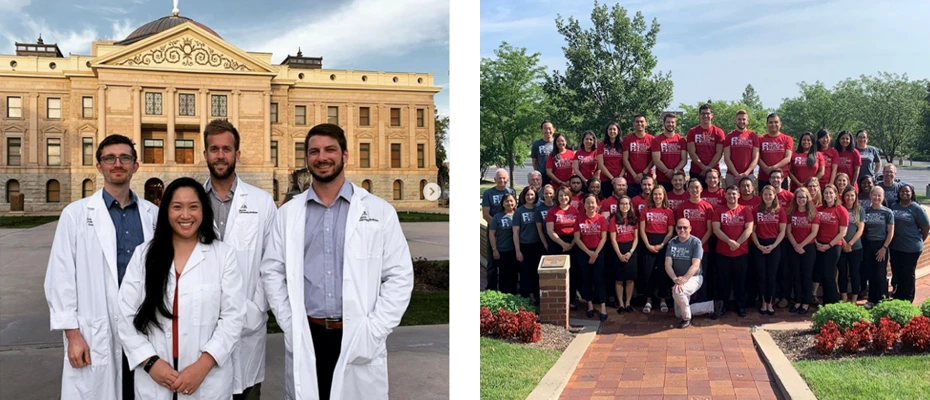
Left to right: Residents Josh Blessing, Patricia Wu, Mark Grant and Weston LaGrandeur advocating at the State Capitol for AzAFP Emerging Leaders Day in 2020.
Residents from both our Alvernon Track and South Campus Track are required to participate in scholarship. We meet these requirements through our Quality Improvement and Patient Safety presentations and the Resident Scholarly Project Program.
Quality Improvement and Patient Safety (QuIPS)
The Quality Improvement and Patient Safety Conference is led by Karissa Wasiak, MD. QuIPS is a longitudinal educational experience with the goal of engaging residents in quality improvement and patient safety work within clinical systems. QuIPS emphasizes systems thinking, interprofessional collaboration and the identification of modifiable contributors to adverse outcomes or near misses. Residents lead one QuIPS session per year in groups of four, selecting and presenting real, de-identified clinical cases, often ones in which they were directly involved. By leading a structured discussion that explore contributing factors, areas for improvement and opportunities for change are identified. The program fosters a culture of psychological safety, empathy and continuous improvement rather than blame.
Resident Scholarly Project Program (RSPP)
The Resident Scholarly Project Program involves collaboration with a clinical mentor and research mentor to develop and answer a research question through a process of critical inquiry. RSPP starts in the middle of PGY1 with the identification of a topic area and mentor matching. It concludes at the end of the third year with a departmental presentation, as well as encouragement and support for presentations at regional and national conferences and peer-reviewed publications.
If you have questions, please contact the RSPP co-directors, Yumi Shirai, PhD, and Allison Huff, DHEd, at RSPP@arizona.edu.
Resident Scholarly Projects Archive
2025
Medical Humanities
- Color, Calm, and Care: Visual Art in Healing Spaces Jessica Pirkle
- A Mind-Body Medicine Movement and Meditation Experience for Residents Benjamin Lombardo
- Ms. R: An Exercise in Narrative Medicine and Balint Group Reflection Tyler Kidd
- From Dust You Come, and Unto Dust You Return Nicholas Ahern
- Primary Care is Community Anna Moga & Radu Moga
- In the Midst of the Epidemic: Physician Reflections on Low-dose Opioid Prescribing for Chronic Pain Athena Zimon
Quality Improvement/Research
- Prenatal Outcomes Evaluation in the Mobile Health Program Chloe Kidd and Hannah Emerson
- Effects of 5-Needle Auricular Acupuncture on Healthcare Worker Burnout Jaylee Caruso & Kevin Ruaro
- Effects of MOUD Training Experiences Among Primary Care Residents on Likelihood to Manage Future OUD Patients with Buprenorphine vs Methadone Robert Woodruff
- The Collection and Use of Pronouns in Healthcare Settings Jinx Lioi
- Exploration of the Relationship between Food Insecurity and Mental Health in Pediatric Student Athletes Rachel Baca, Stephanie Jones, & Danielle Kulpins
2024
Medical Humanities
- Enhancing Medical Education through a Resident-Led Art Medical Humanities Project Alex Lim, Kevin Ruaro, & Rahotep Alkebulan
Quality Improvement/Research
- Concusion Protocol for Alvernon Clinic Michelle Do & Jason Dorian
- Cervical Cancer Screening Rates in Refugee Patients Eudoria Lee
- Barriers to Discharge at Banner South Hospital Carli Ogle & Colleen Sells
- From Responders to Partners: Enhancing Outpatient Services Cynthia Sanchez
- Advanced Care Planning and Refugees Daniel Anderson, Taylor Buel, Bryce Hunsaker, Megan Garrett, Amanda McKeith, DJ Murphy, & Georgiana Yang
- Confidence in IUD Placement in Male vs Female Residents Bernardo Chavira
- Epidural or Else: Pain Management Choices Among Laboring Women of the MCH Service Nasrin Akter
2023
Medical Humanities
- Inner Light and Inner Strength Sameer Suhale
- (Medicine) A Placeholder Joan Tran
- Ten Jessica Filon
- Residency in the Time of COVID-19 Ricardo Reyes
Quality Improvement/Research
- Have Burnout? Do NADA! Abigail Stephens & Nikie Tong
- UA Breastfeeding and Lactation Policy for Medical Trainees Jennifer Stepp
- Assessing Food Insecurity Awareness in Family Medicine Residents Jennifer Akazawa
- Concussion Protocol for Alvernon Clinic Jason Dorian & Michelle Do
- Hospital/Inpatient Training for UACOM-FM Residents Paul Maler
- Needs Assessment: Reproductive Health Training in Family Medicine Residency Hannah Parry
- Promoting Health Equity: The Intersection of Medical Residency Programs and Free/Low-Cost Clinics for Maternal Healthcare Access in the USA Maria Ruiz
- Refractory Ankle Pain: A Case of Septic Arthritis Kareem Shahin
- The Tucson Opioid Epidemic: Good Samaritan Laws' Place in Harm Reduction- A Policy Brief Martha Esparza
- Walk with a Doc
- Health fairs
- Pathways to success high school fair
- Free sports physicals
- Opportunity to be a high school football team doc
- Pima County Health Department
- Home visits
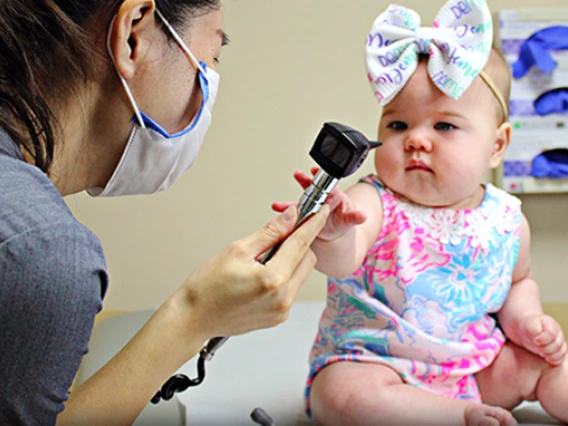
- Underserved focus in a suburban/urban setting with a patient panel including high numbers of refugee families
ERAS ID: University of Arizona College of Medicine – Tucson Program Alvernon Family Medicine Track
NRMP ID: 1015120C0
ACGME ID: 1200312032
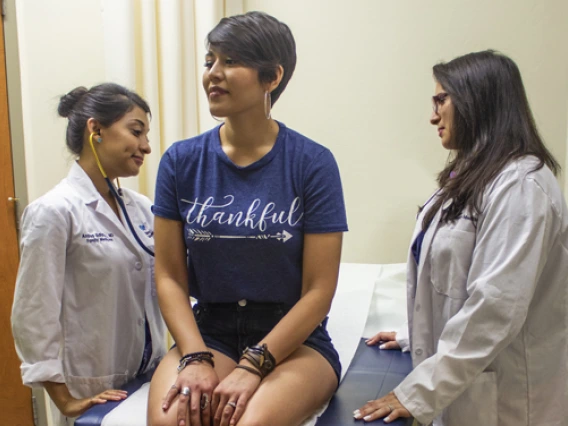
- Underserved focused and based in a Tucson FQHC, with additional rotation in rural Arizona.
ERAS ID: University of Arizona College of Medicine – Tucson Program South Campus Family Medicine Track
NRMP ID: 1015120C1
ACGME ID: 1200312032
Apply
Please note that there are two separate tracks affiliated with the University of Arizona Family Medicine Residency Program:
Alvernon Track
ERAS ID: University of Arizona College of Medicine – Tucson Program Alvernon Family Medicine Track
NRMP ID: 1015120C0
ACGME ID: 1200312032
South Campus Track
ERAS ID: University of Arizona College of Medicine – Tucson Program South Campus Family Medicine Track
NRMP ID: 1015120C1
ACGME ID: 1200312032
On top of the salary and benefits that all College of Medicine – Tucson residents receive, Family and Community Medicine residents receive additional benefits:
| NATIONAL CONFERENCE STIPEND | The program supports resident attendance at national conferences as funds are available. |
| MALPRACTICE INSURANCE | Provided |
| MEALS | Meal allowance provided |
| BOOKSTORE & UNIVERSITY EVENTS | Reduced rates; $500 per year, book fund |
| AAFP/AzAFP MEMBERSHIP | Membership paid for all three years while in residency |
| ADDITIONAL BENEFITS | Medical Library access On-Site Gym – available at no cost to residents Lab Coat/Scrub allowance Free parking at hospitals and clinics |
| MOONLIGHTING | Moonlighting opportunities for additional clinical experience and added income are available during third year. State licensure is required. Participation depends on satisfactory performance in the residency, requires specific approval of the Residency Director, and must count towards duty hours per ACGME guidelines. (Request a copy of the policy if interested.) |
For more information regarding salaries and benefits, please access the Office of Graduate Medical Education Housestaff Resources GME webpage.
Meeting Our Mission
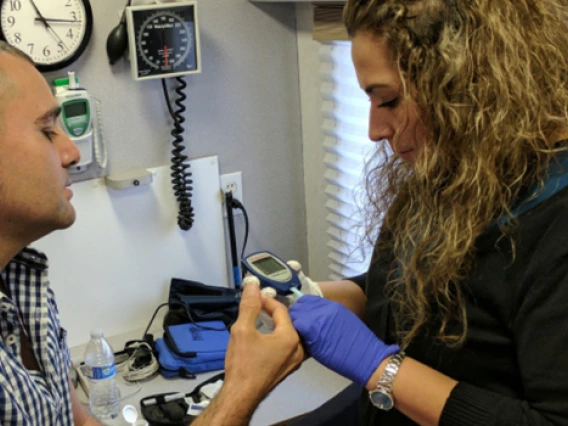
Supervised by our faculty, residents rotate through mobile health prenatal and family medicine clinics in a longitudinal fashion throughout residency, providing care to those who have difficulty accessing it.

In partnership with our sports medicine fellows and faculty, residents can volunteer to provide sideline coverage at many school sporting events around the city.

Together, health care providers and lawyers improve the health and well-being of low-income patients and their families. Residents have helped refugees obtain citizenship, families secure better housing, and patients make advanced care planning.
Resident/Fellow Well-being
The U of A College of Medicine – Tucson is committed to providing resources to support your well-being.
Grand Rounds, Conferences & Events
Learn about events across the college or filter results according to interest.
All About Tucson
Learn about salary and benefits, as well as things to do in Tucson, our desert climate, and the region’s culture.
Graduates Serving the Community

Naomi Young, MD
Class of 2016 South Campus alum Naomi Young, MD, currently practicing full-spectrum family medicine and serving as chief of staff in her hometown of Ft. Defiance, Arizona, on the Navajo Nation.
Myles Stone, MD
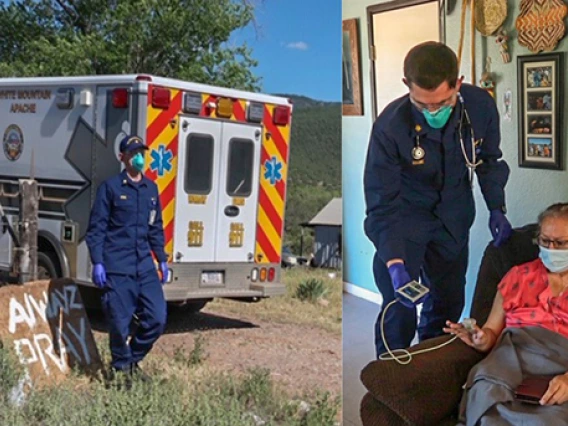
Clas of 2017 South Campus alum Myles Stone, MD, currently practicing full-spectrum family medicine in Tuba City, Arizona, and serving as a member of the U.S. Public Health Service.

Christine Chan, MD
Class of 2019 Alvernon alum Christine Chan, MD, faculty at Hawaii Island Family Medicine Residency.
Karyn Kolman, MD
Program Director
kbkolman@arizona.edu
520-621-6323