

Body MRI Fellowship
Program Duration: 12 months
Accredited: No
Number of Positions: 2
Our Body MRI Fellowship is designed to provide advanced training in the use of magnetic resonance imaging for the diagnosis and management of a variety of conditions affecting the abdomen and pelvis.

Program Highlights
- Advanced MRI expertise: high‑level training in 1.5T and 3T MRI across hepatobiliary, GI, GU, oncologic and vascular applications
- High‑complexity clinical exposure: extensive experience with multiparametric protocols, diffusion imaging, dynamic contrast studies and problem‑solving in a tertiary‑care environment
- Focused subspecialty mentorship: close guidance from expert faculty with opportunities for teaching, research and multidisciplinary collaboration
Faculty
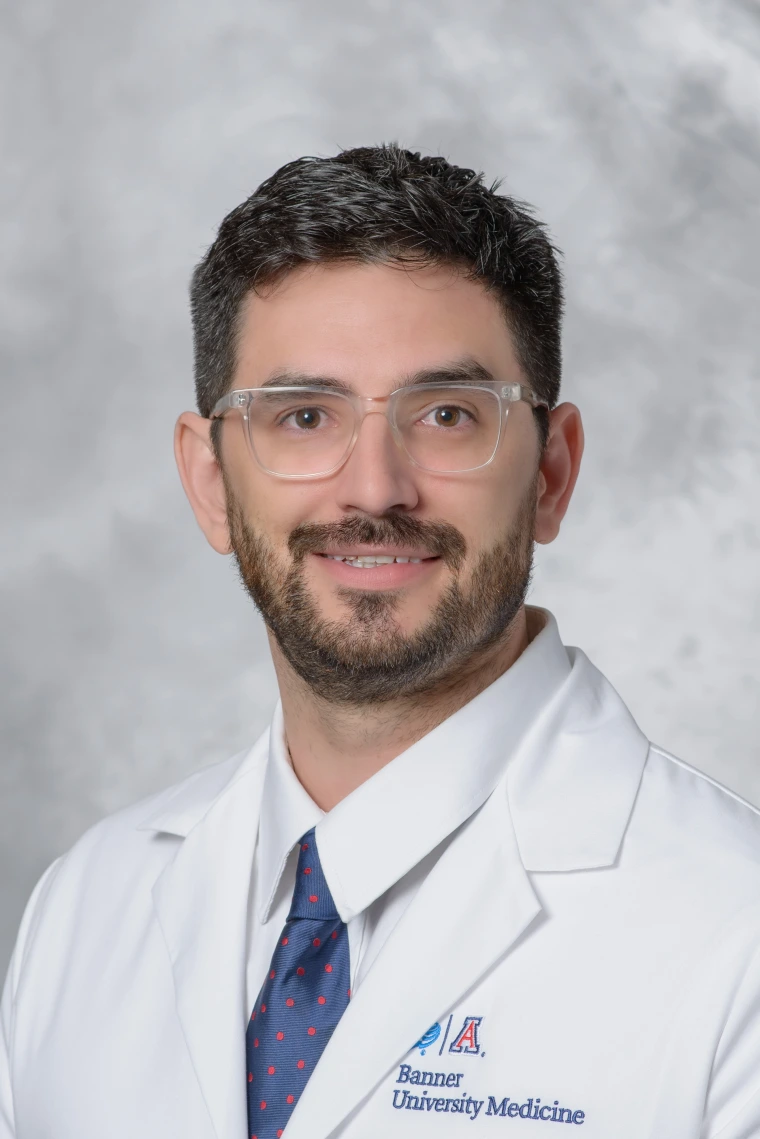
Christopher Miller, MD, MS

Hina Arif-Tiwari, MD, FSAR
Clinical Specialties
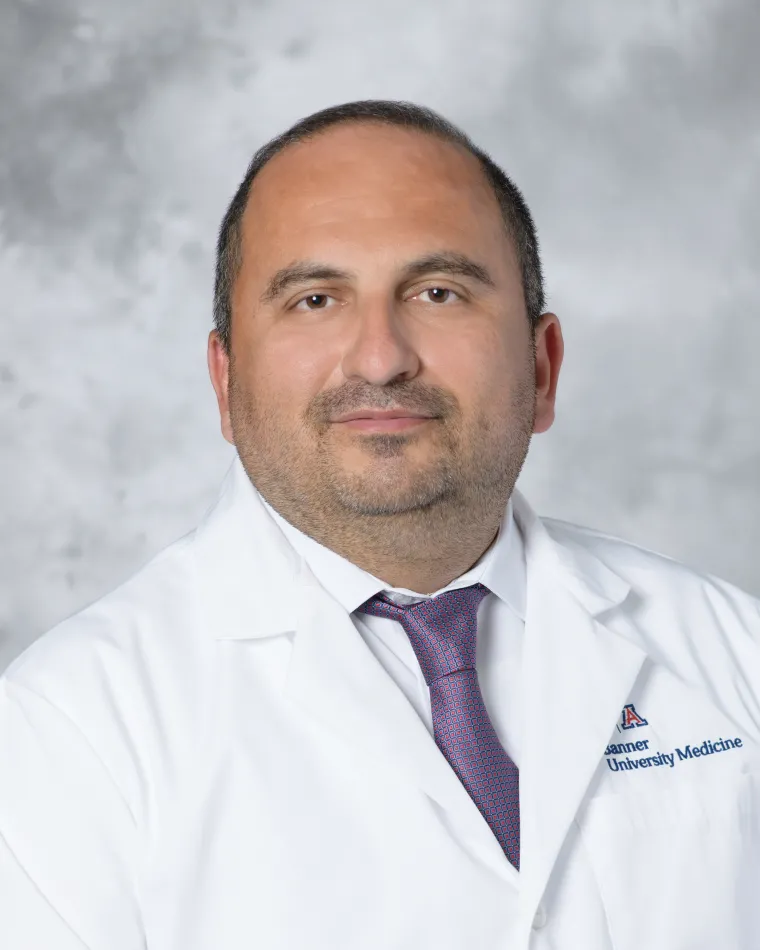
Erol Bozdogan, MD
Clinical Specialties
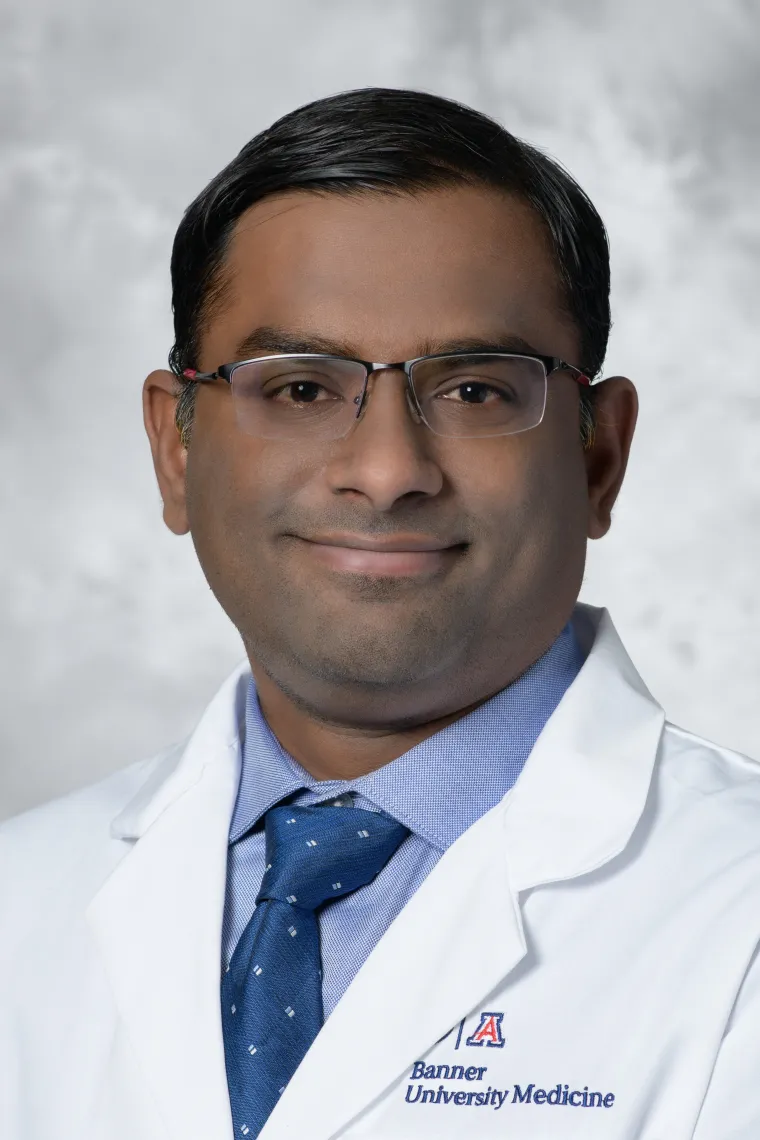
Harish Gudi, MD
Clinical Specialties

Salil Kalarn, DO
Clinical Specialties
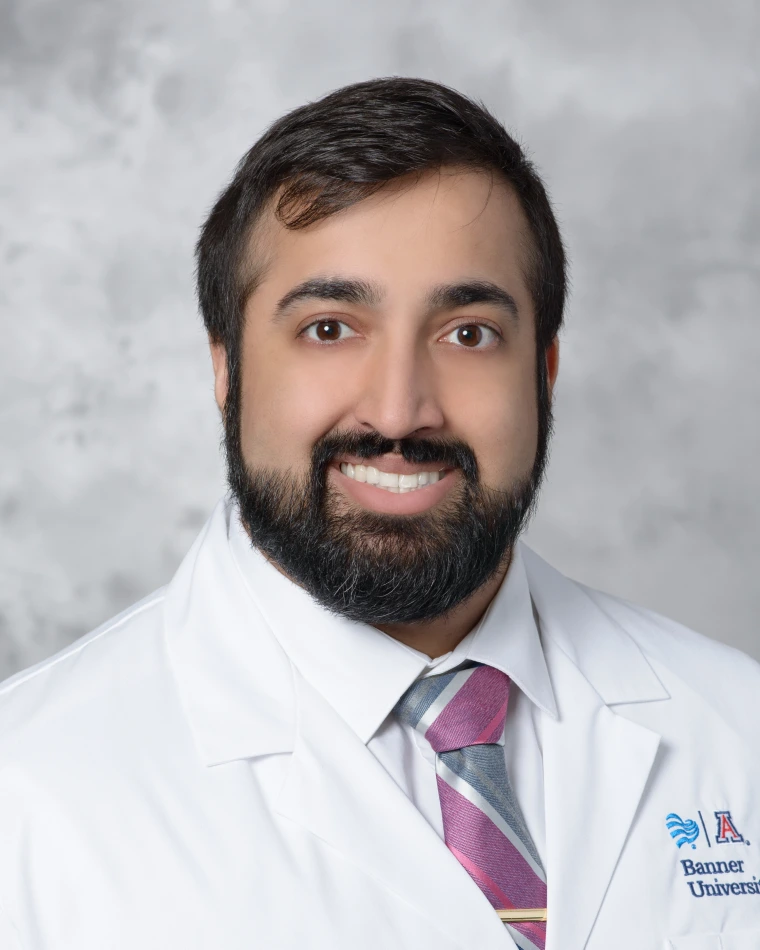
Dushyant Mann, MD
Clinical Specialties
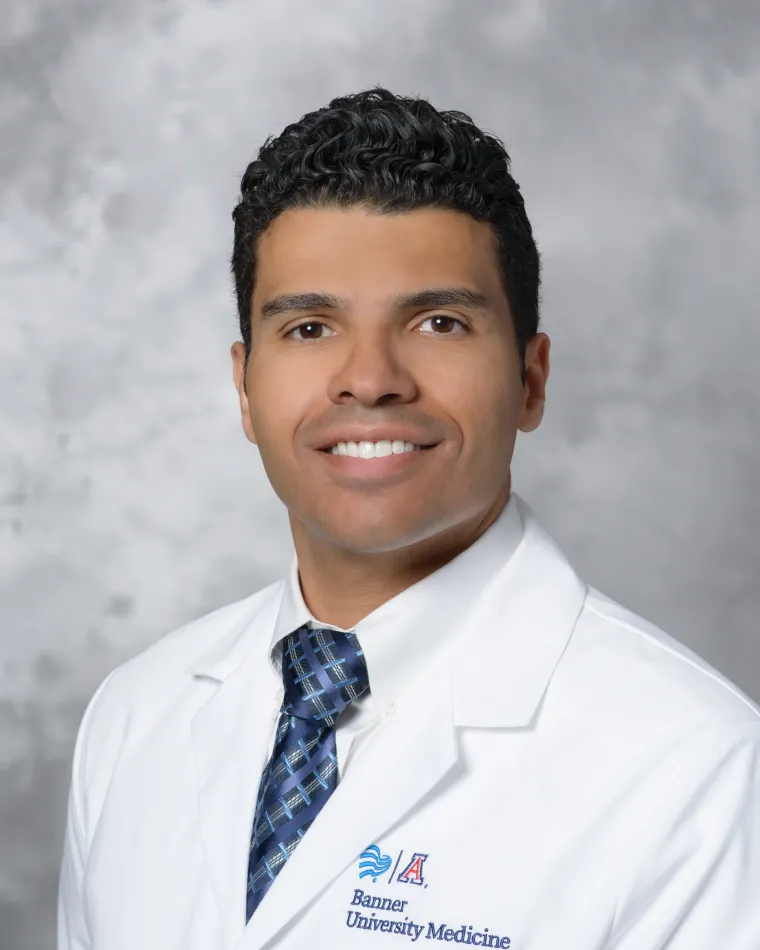
Rami Sulaiman, MD
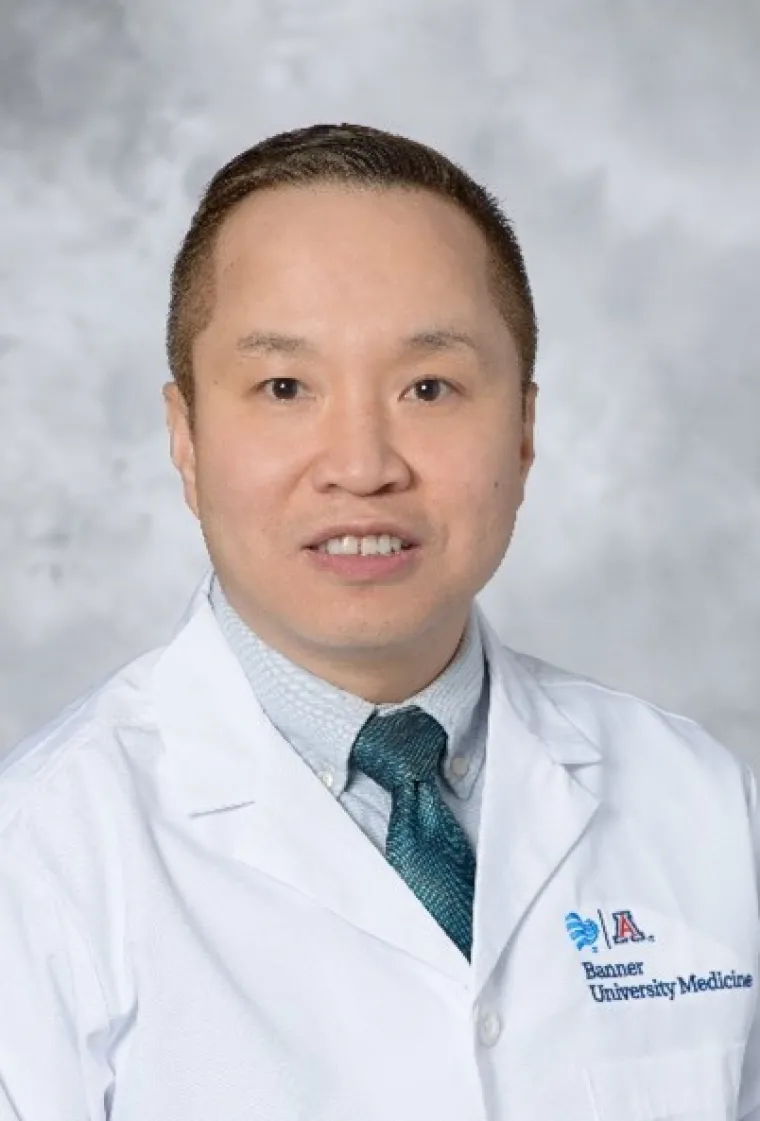
Danh Truong, MD
Program Overview
Fellows will be exposed to a large volume of body MRI cases, including:
- MRI of the chest, abdomen and pelvis
- MRA of the chest, abdomen, pelvis, lower and upper extremities
- Dynamic pelvic imaging to assess for pelvic floor instability
- Dynamic lung imaging to evaluate pulmonary biomechanics and to assess for chronic interstitial lung disease
- Functional imaging of the pancreas
- MRI urography
- Whole body MRI to evaluate patients with prostate cancer and multiple myeloma
Additionally, fellows will receive training in the interpretation of other imaging modalities of the body, including:
- CT of the chest, abdomen and pelvis
- PET-CT
- Ultrasound and ultrasound-guided procedures
- Fluoroscopy
- Plain film interpretation
At the end of the one-year fellowship, the fellow should be able to demonstrate the following skills and competencies:
- Interpreting cross-sectional MR imaging of the body
- Performing and interpreting fluoroscopic procedures
- Performing ultrasound-guided procedures including thoracentesis, paracentesis and biopsies
- Comprehensive knowledge of the physics of ultrasound, CT and MR imaging and an ability to apply this knowledge for image optimization and for quality assurance issues
- Patient care in the areas of consultation particularly in multidisciplinary conferences, patient safety, and diagnostic and therapeutic procedures
- Proficiency in protocoling exams
Fellows actively participate in a wide range of interdisciplinary conferences and tumor boards, providing a critical learning opportunity for managing complex cases. Our department is engaged in the following multidisciplinary collaborations:
Fellows are given the opportunity to participate in research and technology development with at least one academic day per week. All trainees are required to participate in at least one scholarly project. Fellows can participate in one or several of the following project types:
- laboratory research
- clinical research
- image interpretation
- imaging techniques
- practice management issues
Within the department, the fellows will be offered opportunities to participate in ongoing basic and translational research.
Within the field of MR imaging of the body, the Division of Abdominal Radiology is actively engaged in several translational research projects, including quantitative measuring of hepatic fibrosis, spectroscopic measurement of iron and fat composition within the liver, dynamic pelvic imaging to assess for pelvic floor instability, and dynamic MR imaging of the lungs.
Clinical research meetings for fellows and attendings are held monthly. Fellows are encouraged to author publications and to present at meetings. All publications and presentations will be written with faculty guidance. Additionally, when presentations are accepted at national meetings, departmental funding is often available to support travel and related expenses.
Fellows and residents have access to a wide range of resources, including countless full-text journals, through the University of Arizona Health Sciences Library. This comprehensive resource also provides comfortable spaces for small group collaborations and quiet studying in a collegial atmosphere.
The program also incorporates evidence-based medicine tools including:
- EBM search, a search engine that provides access to evidence-based medicine
- Cochrane Library
- ACP PIER
- BMJ Clinical Evidence
- Clinical Practice Guidelines
- STATRef, the premier healthcare e-resource
How To Apply
Candidates must be eligible to obtain an Arizona medical license prior to the start of the program. To be eligible for acceptance, applicants must possess an MD or DO degree and have satisfactorily completed a diagnostic radiology residency training program accredited by the ACGME or the Royal College of Physicians and Surgeons of Canada (RCPSC). For applicants who originate from a non-ACGME-accredited residency, please note the following requirements and items that will need to accompany your application, as outlined by the ACGME under Section III.
Application Requirements
- Application (download above)
- Curriculum vitae formatted to include month/year for all educational and employment periods; please address any gaps in time
- Personal statement
- Medical school transcripts
- Medical Student Performance Evaluation (MSPE)
- Three current letters of recommendation (LOR), dated no more than 12 months prior to the application date. Each letter should be on official letterhead and signed by the reference giver.
- Pass the United States Medical Licensing Examination (USMLE) Step 1, Step 2 and Step 3
- ECFMG certificate (for IMG)
Candidates should email the required documents to:

Victor Lopez, MBA
Training in Tucson


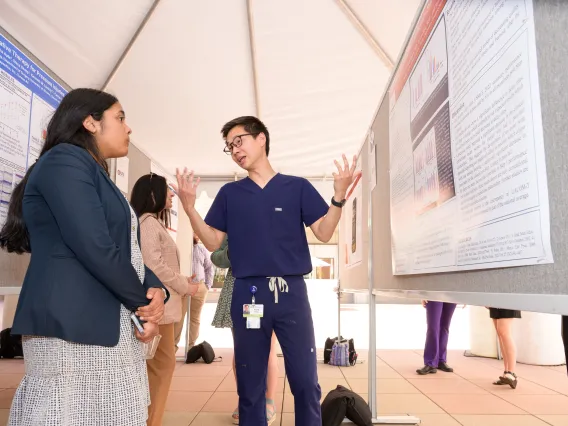


Learn more about the residency and fellowship programs at the College of Medicine – Tucson.
Victor Lopez, MBA
Program Coordinator
520-626-2134
victlopez@arizona.edu