

Neuroradiology Fellowship Program
Program Duration: 12 months
Accredited: Yes
Number of Positions: 3
Our Neuroradiology Fellowship Program delivers an intensive, high volume training experience for radiologists committed to mastering imaging of the central and peripheral nervous systems. We prepare our fellows to become leaders in neuroradiology.

Program Highlights
- Comprehensive expertise in neurological conditions: Faculty mentors offer trainees their experience in specialized imaging and diagnostic care for brain tumors, epilepsy, neurodegenerative diseases and complex spinal pathologies.
- Precision-guided interventions: Fellows learn to perform advanced image-guided procedures that support both diagnostic clarity and therapeutic precision.
- Unified mission of care, research and education: Fellows learn in an atmosphere of seamless integration of clinical excellence, cutting-edge research and rigorous academic training.
- Innovative neuroradiology at every encounter: Each case benefits from our state-of-the-art technology and the latest advancements in neuroimaging.
Faculty and Fellows
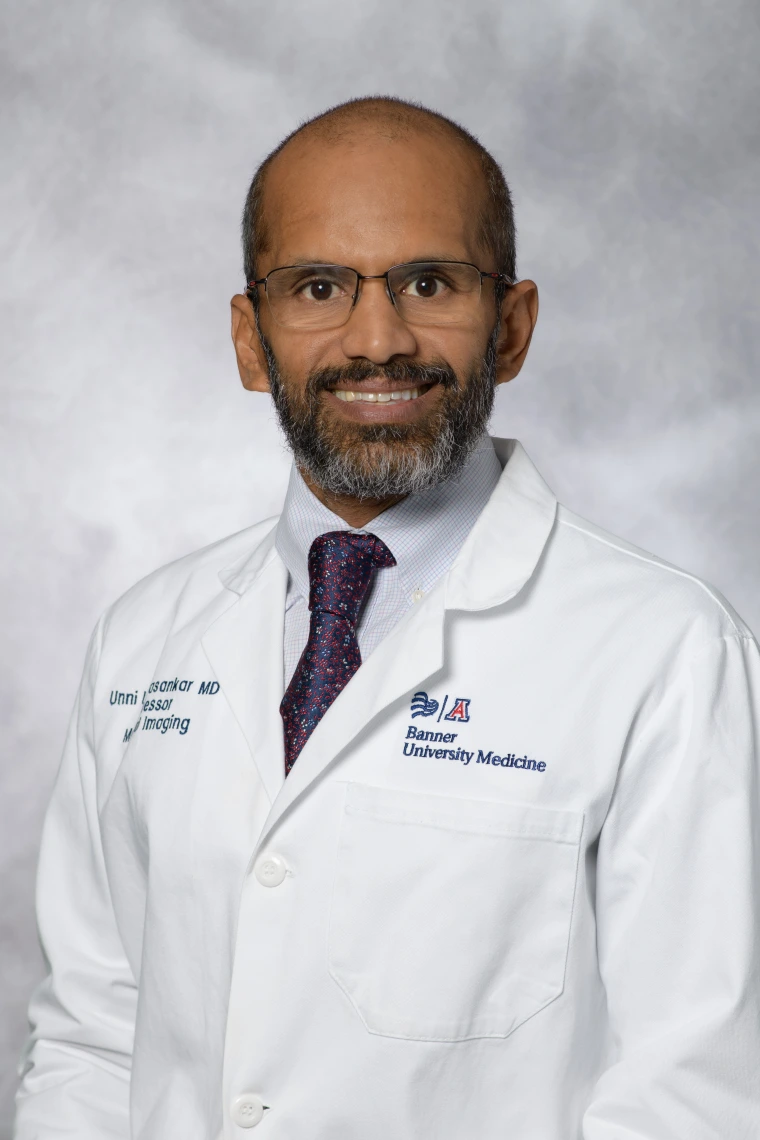
Unni Udayasankar, MD, FRCR
Clinical Specialties
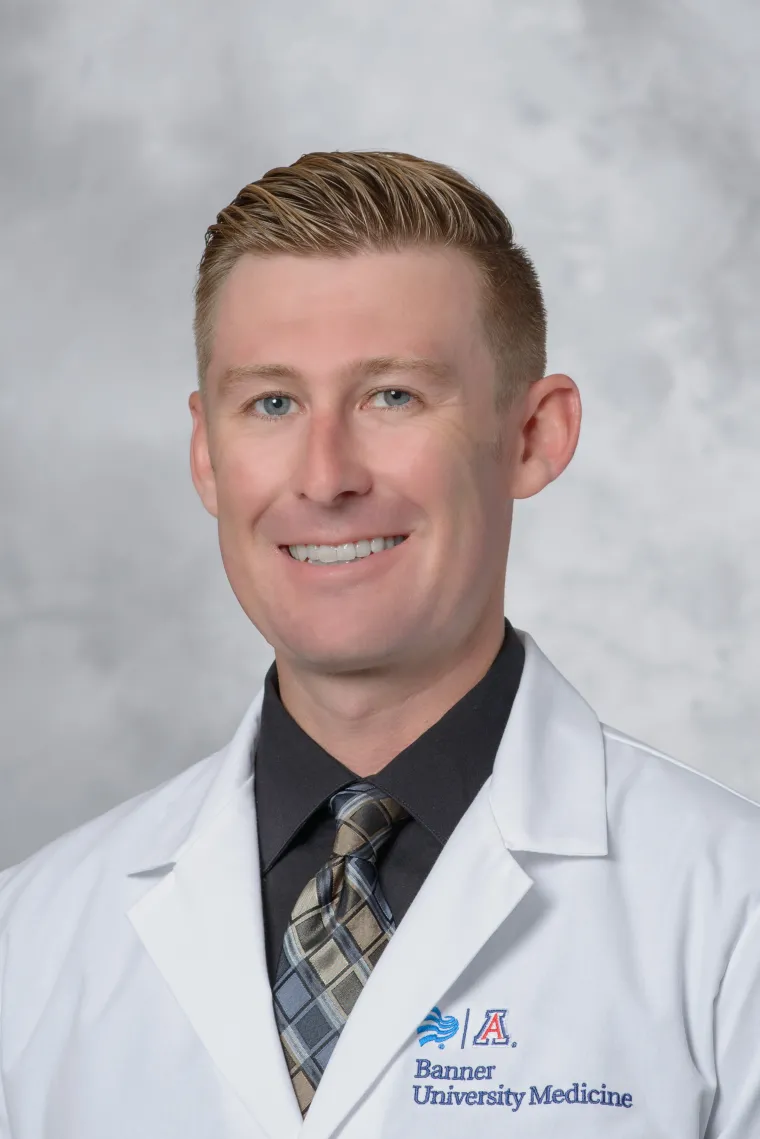
Christopher Ardary, MD, MS
Clinical Specialties

Trevor Huff, MD
Clinical Specialties
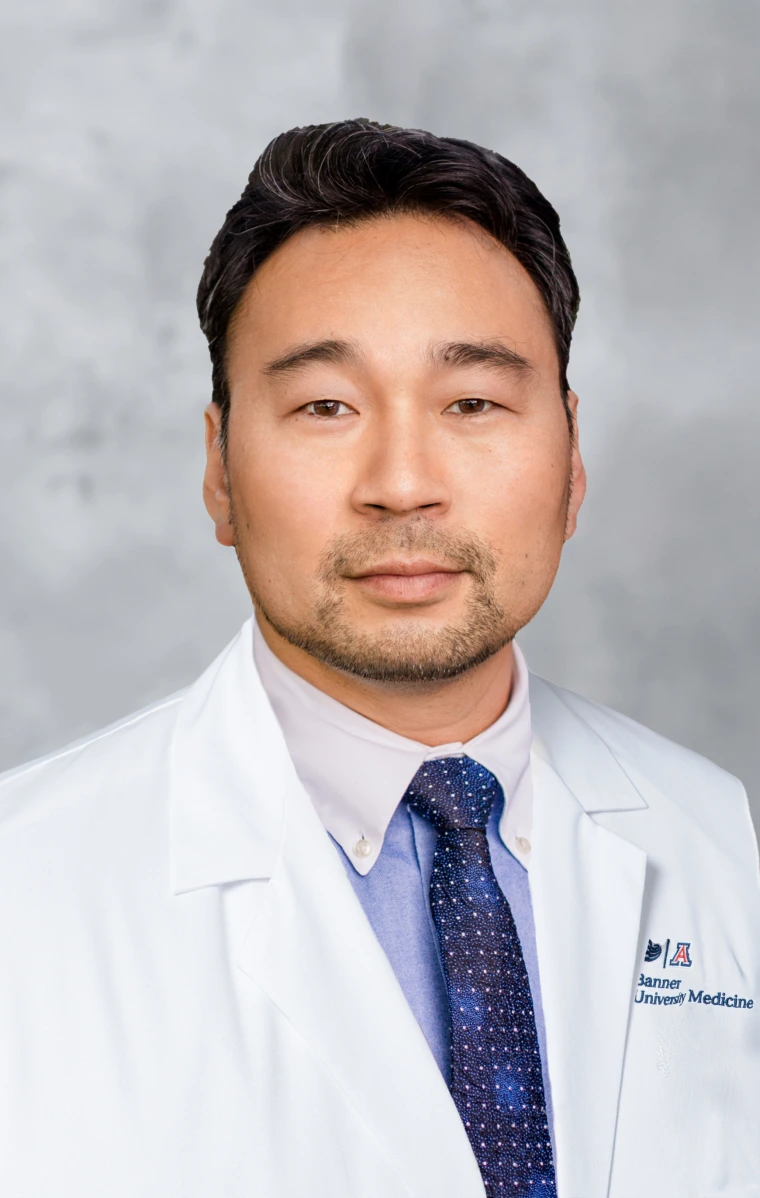
Daniel Lee, MD
Clinical Specialties
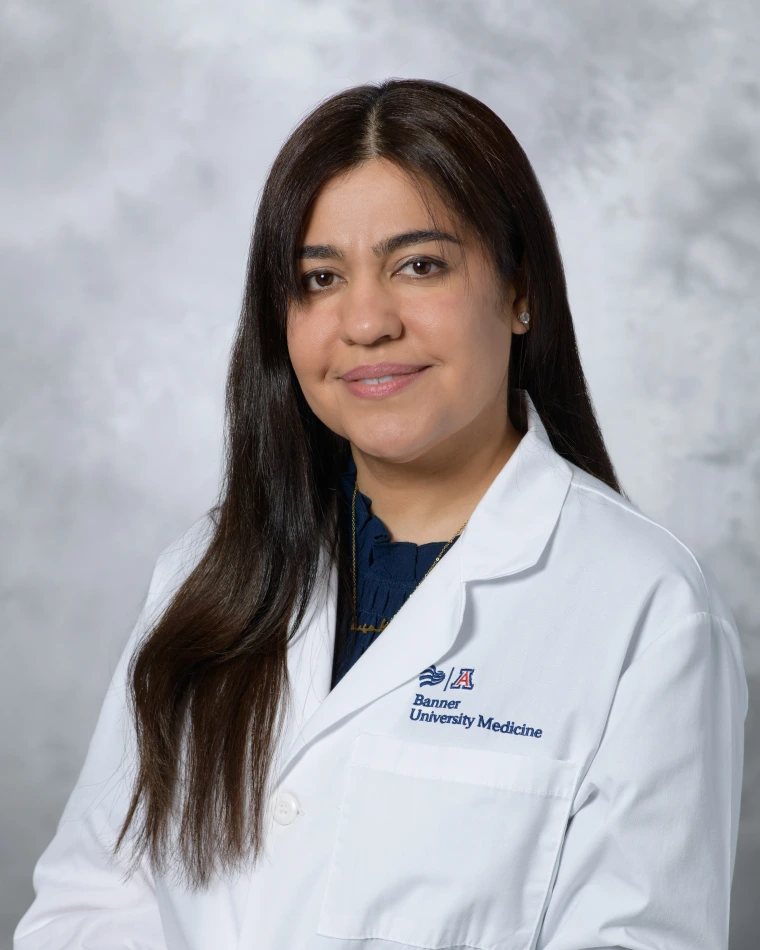
Shaymaa Mohammed, MBChB
Clinical Specialties
Hasan Ozgur, MD
Clinical Specialties

Karthik Rayasam, MD, FRCR
Clinical Specialties

Bekir Sanal, MD
Clinical Specialties

Evan Sommer, MD, MBA
Clinical Specialties
Devdutta Warhadpande, MD, MS

Program Overview
Neuroradiology fellows are based at Banner – University Medical Center Tucson, where they primarily interpret CT and MRI studies of the brain, face, neck and spine. The CT portfolio includes CT perfusion, CT angiography and three-dimensional CT imaging. MRI studies encompass a wide array of advanced protocols, including MR perfusion (using dynamic susceptibility contrast (DSC) and dynamic contrast-enhanced (DCE) techniques), MR angiography, MR spectroscopy and diffusion tensor imaging (DTI). All neuroradiologic imaging, including studies for both adult and pediatric patients, is performed by the neuroradiology team.
In addition, several times a week, the caseload includes spinal procedures, which are distributed between residents and fellows. These procedures encompass a variety of interventions, including biopsies, lumbar punctures, myelograms, sacroiliac joint injections and epidural injections. Fellows also have the opportunity to participate in advanced diagnostic neuroangiography as well as endovascular neurosurgery procedures.
Fellows are eligible for up to three weeks of academic time off to pursue research or educational projects, subject to approval by the departmental Clinical Competency Committee. Historically, neuroradiology fellows at the College of Medicine – Tucson have made significant use of this time, resulting in journal publications, book chapters and presentations at national conferences. Additionally, when presentations are accepted at national meetings, departmental funding is often available to support travel and related expenses.
The program offers a series of exclusive lectures for fellows, held two to three times a month. Additionally, fellows actively participate in a wide range of interdisciplinary conferences and tumor boards, providing a critical learning opportunity for managing complex cases. Our department is engaged in the following multidisciplinary collaborations:
- Neuro-oncology tumor board
- ENT tumor board
- Pediatric tumor board
- Stroke conference
Fellows can join a journal club that fosters critical thinking, academic rigor and professional development. Additionally, a variety of College of Medicine – Tucson Grand Rounds hosted by the departments of Radiology and Imaging Sciences, Neurology and Neurosurgery add to the educational experience.
Fellows and residents have access to a wide range of resources, including countless full-text journals, through the University of Arizona Health Sciences Library. This comprehensive resource also provides comfortable spaces for small group collaborations and quiet studying in a collegial atmosphere.
The program also incorporates evidence-based medicine tools including:
- EBM search, a search engine that provides access to evidence-based medicine
- Cochrane Library
- ACP PIER
- BMJ Clinical Evidence
- Clinical Practice Guidelines
- STATRef, the premier healthcare e-resource
How To Apply
Candidates must be eligible to obtain an Arizona medical license prior to the start of the program. To be eligible for acceptance, applicants must possess an MD or DO degree and have satisfactorily completed a diagnostic radiology residency training program accredited by the ACGME or the Royal College of Physicians and Surgeons of Canada (RCPSC). For applicants who originate from a non-ACGME-accredited residency, please note the following requirements and items that will need to accompany your application, as outlined by the ACGME under Section III.
Application Requirements
- Completed application
- Curriculum vitae formatted to include month/year for all educational and employment periods; please address any gaps in time
- Personal statement
- Medical school transcripts
- Medical Student Performance Evaluation (MSPE)
- Three current letters of recommendation (LOR), dated no more than 12 months prior to the application date. Each letter should be on official letterhead and signed by the reference giver.
- Pass the United States Medical Licensing Examination (USMLE) Step 1, Step 2 and Step 3
- ECFMG certificate (for IMG)
Candidates should email the required documents to:

Victor Lopez, MBA
Training in Tucson


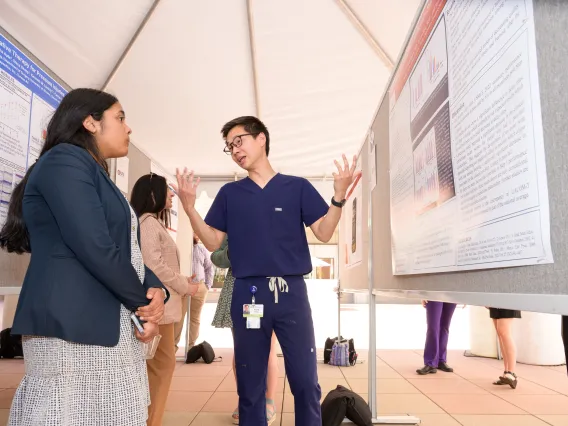


Learn more about the residency and fellowship programs at the College of Medicine – Tucson.
Victor Lopez, MBA
Program Coordinator
520-626-2134
victlopez@arizona.edu