

Radiology and Imaging Sciences
Fellowship Programs
The Department of Radiology and Imaging Sciences offers eight distinguished one-year fellowship programs that provide advanced subspecialty training beyond residency. Designed to cultivate clinical excellence and academic achievement, our programs offer extensive exposure to complex and diverse pathology, foster multidisciplinary collaboration through tumor boards and specialty conferences, and prepare graduates for successful careers in both academic medicine and private practice.
Fellows train alongside nationally recognized subspecialty faculty at Banner – University Medical Center Tucson, Banner – University Medical Center South and Banner – University Medicine Advanced Imaging. This comprehensive training environment combines high-volume clinical experience, advanced imaging expertise and meaningful opportunities for research, education and scholarly growth.


Research Opportunities
The Department of Radiology and Imaging Sciences has long been recognized for excellence in translational and basic science imaging research. This story began in the 1970s with the inspirational vision of M. Paul Capp, MD, professor emeritus and our founding department chair, to create a picture archiving computer system or PACS.
Critical to our role in cutting-edge medical imaging research is the continued participation of our radiology residents and fellows within our many research endeavors. Since the very beginning, our residents and fellows have been invested in a multitude of research projects, covering the various disciplines of radiology. Our diagnostic and interventional radiology residents commonly present their work at national and international conferences, publish peer-reviewed manuscripts and receive interdepartmental seed grants that hold great promise for eventual extramural funding.
All residents are expected to have some level of research involvement during their time in the program. While some residents may elect to satisfy the minimal requirements as detailed by the American Board of Radiology, a select group of residents may wish to pursue a more extensive level of research involvement. For these residents, the department offers the flexibility to create an individualized research track that can include anywhere from six months to 12 months of dedicated research time. By generating a research plan tailored to the resident’s individual interests, this approach is designed to maximize the resident’s invested time and promises a greater likelihood of success. For those residents pursuing such an intensified research plan, there are expectations that certain metrics of success will be achieved including manuscripts, presentations at national and international conferences, and application for intramural and extramural funding.
While every effort will be made to support these residents, the overall emphasis of their residency training will remain the maturation of highly skilled diagnostic and interventional radiologists. If a resident demonstrates difficulties with clinical work, the program director, the resident and the resident’s mentor will generate a plan to ensure the mastered competency of all the required radiology clinical skills.

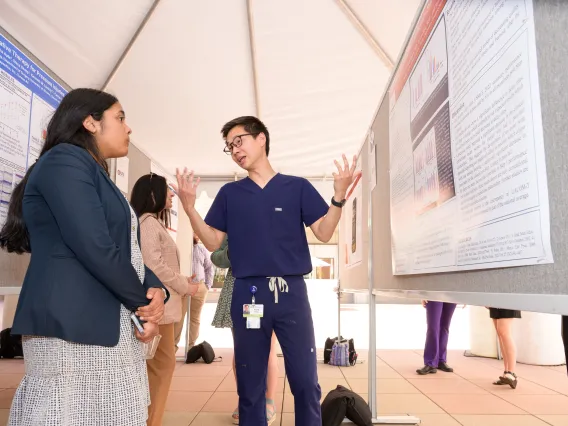
Everyone is welcome to attend. Participants submit their research prior to the event. On the day of the event, lunch is served followed by participant presentations in a three-minute format and audience Q&A. An in-house panel of judges meets afterward to determine the outcome, and the winners are announced during the June graduation event. Top research projects are awarded up to $1,000 by Dr. Paul Capp, a tradition that began more than a decade ago.
- Radiology Research Day 2026 was held in our new Radiology Education Center.
- View our YouTube channel to see a sampling of previous Research Day presentations.
If you are interested in research, contact our clinical research coordinator.
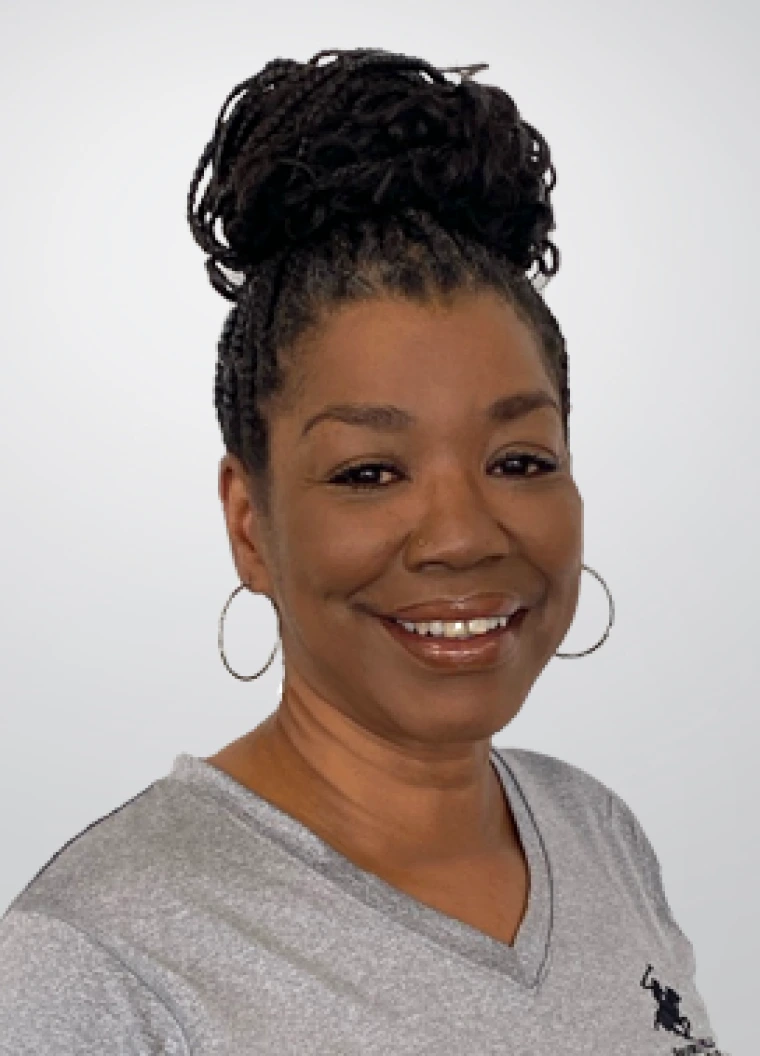
Kym Smith
Wellness Committee
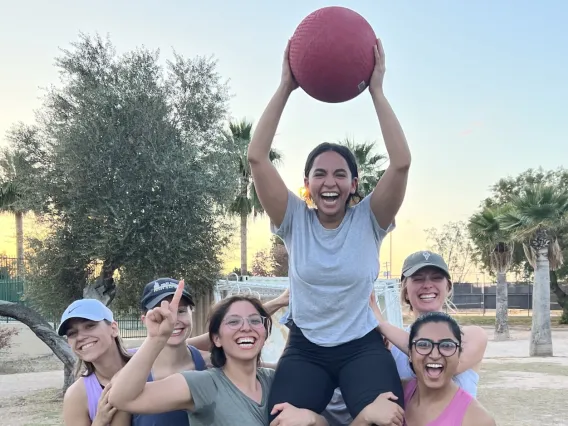
Radiology and Imaging Sciences is committed to wellness and mentorship initiatives in support of our team. The wellness committee fosters an environment that promotes positive well-being, team building, and resilience among our radiology residents and fellows.
Faculty Adviser

Tyson Chadaz, MD
Clinical Specialties
The Wellness Committee has implemented a monthly resident meeting for informal conference presentations that are put on by Associate Program Director Tyson Chadaz, MD. Topics include:
- Imposter syndrome
- Identifying and coping with burnout
- Interviewing
- Balance at work and at home
Through our professional development initiative, we provide workshops focused on CV writing, professional photos and interviewing. See the radiology conference schedule for meeting details.
- Wellness Resource Guide
- Graduate Medical Education Resident and Fellow Well-being Program
- College of Medicine – Tucson Mental Health Services
- VERGE reporting for issues or incidents (bannerhealth.com email address required for access)


Fourth annual skiing and snowboarding trip at Snowbowl in Flagstaff, Arizona


Women in Radiology
We highly encourage all medical students interested in radiology to contact us. Feel free to reach out as we are happy to be a resource and answer any questions about our terrific field.

- How medicine became the stealth family-friendly profession
- Nice girls don’t get the corner office by Lois P. Frankel
- Six findings on driving women’s interest in diagnostic radiology
- Women in radiology: Lessons learned in imaging and beyond
- Women in radiology: Gender diversity is not a metric — it is a tool for excellence
- Female radiologists less likely to commit diagnostic imaging errors than men


Training in Tucson
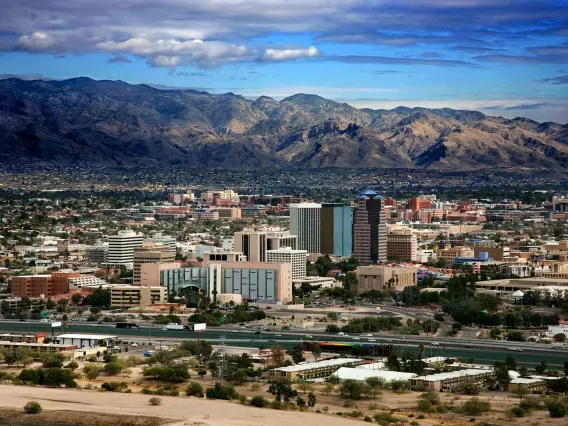


Learn more about the residency and fellowship programs at the College of Medicine – Tucson.