

Doctoral Clinical Psychology Programs

Doctoral Clinical Psychology Programs
The Clinical Psychology Internship and Postdoctoral Fellowship are one-year programs that embrace a scientist-practitioner model. Our mission is to prepare a skilled health care workforce that is trained in and employs evidence-based techniques to deliver superior patient care. Our didactic and experiential training activities ensure trainee competencies in behavioral health and its integration into primary care.
The internship program is funded by the Health Resources and Services Administration Behavioral Health Workforce Education and Training Grant and works in conjunction with the University of Arizona College of Nursing faculty and its psychiatric nurse practitioner doctoral students.
Both programs train interns and fellows through a model of collaborative, team-based care.
We seek candidates who are committed to the science and practice of clinical psychology, those who appreciate how psychological science is informed and influenced by clinical practice and are aligned with our dedication to compassionate care and community service.
Learn more in the sections below!
Doctoral Clinical Psychology Internship

Through this program, interns will develop and refine their skills in psychological assessment, evaluation and psychotherapeutic interventions.
Graduates are prepared to work effectively in interprofessional settings and provide interdisciplinary, team-based and trauma-informed care. Additionally, interns are equipped to serve rural, border, child, adolescent and transitional age youth in medically underserved communities.
The program’s training goals and methods are based on five core commitments:
- Science-based psychological practices
- Quality training in broad clinical skills across the lifespan to ensure readiness to begin independent practice
- Quality training in interdisciplinary and integrated mental health care sites of high need/high demand areas
- Service to Southern Arizona’s unique patient populations
- Service in an inter-professional environment, bringing forth the competencies of a health service psychologist to health organizations including community agencies, outpatient clinics, and inpatient settings
The internship begins on July 1 and ends on June 30 of each year.
Our program’s clinical training methods are primarily experiential, under close supervision, and complemented by formal and informal didactic activities.
Clinical supervisors provide supervision tailored to the intern’s abilities and training needs with the goal of increasing responsibility and independence throughout the internship year.
The integration of science and practice is accomplished formally via trainings, seminars, case conferences and Grand Rounds that emphasize empirically supported findings, and informally through role modeling and case-based literature reviews.
Rotation Offerings
Interns will participate in up to four rotations at any given time during the training year.
The four rotation types are the following:
- an interdisciplinary rotation (12 months, 12 hours per week)
- a major rotation (six months, 12 hours per week)
- a minor rotation (six months, eight hours per week)
- an assessment rotation (12 months, four hours per week)
These rotations are meant to provide both breadth and depth of training opportunities.
Psychological Assessment
Interns train in brief and comprehensive psychological and cognitive evaluations.
Areas of assessment include personality, verbal and visual-spatial cognitive abilities, memory, expressive and receptive language, executive functioning, diagnostic clarification and educational aptitudes.
The intern will use these assessment tools in various settings for diagnostic (mood disorders, sleep disorders), academic (ADHD/learning disability), medical (presurgical evaluations) and legal (competency to stand trial).
All interns complete one general psychological/psychoeducational assessment every other month.
Supervision
All interns receive a minimum of four hours of supervision per week with a minimum of two hours of individual, face-to-face supervision by a licensed psychologist. The additional two or more hours per week may involve individual or small group supervision.
Supervisors include full-time faculty and practitioners from the community rotation placements. Our program emphasizes high-quality supervision with faculty psychologists committed to clinical training. We believe that interns are best served by being exposed to a variety of approaches to conceptualizing psychopathology, assessment and clinical interventions. Therefore, the intern will have several supervisors representing varying orientations throughout the year, and as appropriate for their different clinical activities.
Although the majority of supervision is provided by licensed psychologists, allied professionals may also participate in supervision depending on the experiential training at a given site such as psychiatrists, nurse practitioners and social workers.
Didactics
A wide range of educational offerings are provided through the Department of Psychiatry, College of Nursing and Department of Psychology.
Through in-person and online didactics, course activities, telehealth simulation activities and clinical rotations, interns gain a variety of experiences and skills that will aid them in increasing patient access to high-quality behavioral health care.
Didactic topics aim to increase knowledge and competency in integrative care, interdisciplinary skills and cultural competence.
Upon completion of the internship year, interns will have the knowledge and clinical skills to confidently treat a range of mental health concerns across the lifespan.
Our program advances the professional and personal development of interns as competent clinical psychologists by assuring the acquisition of core competencies, including:
- Preparing interns for the effective, independent and ethical practice of professional psychology.
- Developing advanced knowledge in diagnostic interviewing, crisis intervention and psychological assessment.
- Developing skills in interprofessional collaboration, team-based integrated care and trauma-informed care.
- Understanding the indications for psychotropic medications and other somatic interventions and applying this knowledge in their clinical work with patients.
- Learning the dynamic interplay of biological, psychological and social factors and the multitude of ways they interact to affect illness, resilience and overall health.

Interns conduct comprehensive evaluations of individuals across the age span with a broad range of psychopathology (e.g., mood disorders, psychotic-spectrum disorders, neurodevelopmental disorders, neurodegenerative disorders and anxiety disorders) and varying socio-cultural and ethnic backgrounds. They gain competence in major treatment modalities; learn the knowledge and skills to practice within a variety of mental health settings; have the opportunity to teach professionals in other disciplines (psychiatry, medicine and pediatrics), families and members of community agencies; become familiar with research methodology and professional/scientific literature on evidence-based clinical intervention; and learn to participate effectively as leaders within multidisciplinary teams.
Opportunities include working with children and adolescents, as well as adults across the lifespan, and contributing to the advancement of knowledge in the field.
An emphasis and strength of our program is our commitment to offering opportunities that increase access to mental health services in rural settings and allow interns to gain experience treating underserved populations.

The Doctoral Clinical Psychology Internship has four positions available, two in the General Adult Mental Health and two in the Child and Adolescent Psychology track. The internship is structured around a rotational system. Both tracks are designed to offer balanced and comprehensive clinical experiences.
The intern will gain experience in psychotherapy with special interest groups (e.g., psychosis, anxiety, mood and sleep disorders). While some cases may be seen for the entire year, brief psychotherapy is also available and encouraged. The intern will develop therapeutic skills in various modalities, including cognitive behavioral therapy, acceptance and commitment therapy, play therapy, group therapy, parent management training and family therapy.
Interns receive supervised training while providing integrated care in high-need/high-demand areas. Two longitudinal tracks are available, including adult and child/adolescent tracks, as well as many shorter rotations. Interns are allowed to rank rotations that focus on an age-based population outside of the clinical population associated with their track.

Our program offers unique and comprehensive training opportunities in:
- Working with inpatient and outpatient populations
- Providing care to high-need and rural communities
- Serving Native American populations
- Training in integrated, interdisciplinary behavioral and primary care settings
- Telemedicine practice and training
- Border health
- Psychology in the juvenile justice system
- Health psychology (sleep, pain, chronic illness and biofeedback)
- First episode psychosis care
- Psychodiagnostic, ADHD, learning disability and presurgical assessments, along with the ability to have some exposure to neuropsychological evaluation
Interns are required to rank order three or more rotations where they will spend the equivalent of a minimum of one day a week each. Interns are placed at sites by taking into consideration their interests, preferences and site capacity. Rotations are six to 12 months long. Training sites include, but are not limited to, those listed below. Please see the individual webpages for detailed information on the locations and their services.
Banner – University Medical Centers

Banner Alzheimer’s Institute (Unavailable Fall 2026): The clinics at Banner Alzheimer’s Institute for memory and movement disorders provide comprehensive evaluation, treatment and support for patients and care-partners in an interdisciplinary setting. Referrals to neuropsychology include largely geriatric patient populations for neuropsychological assessment or intervention for mild cognitive impairment and dementia. Referral questions may also involve assessment of patients with movement disorders, other neurological conditions, brain injury, stroke or comorbid mood disorders. Interns can observe or assist with neuropsychological assessments with older adults in the clinic and with participants enrolled in the Alzheimer’s Disease Research Center, or observe cognitive intervention with patient and care-partner dyads. Trainees work as part of an integrated care team that includes neuropsychologists, psychiatrists, neurologists, a geriatrician, social workers and a physical therapist providing comprehensive care to patients and their families. There may be opportunities to observe and learn from these interdisciplinary providers, and interns are invited to attend an interdisciplinary case conference.
Banner – University Medical Center South, Inpatient: The Behavioral Health Pavilion has one of the largest adult psychiatric inpatient facilities in Tucson with a 66-bed capacity. Comprehensive interdisciplinary services are provided. A fully equipped state courtroom within Banner – UMC South serves as the adjudication site for court-ordered treatment of patients. Interns learn about and assist in the delivery of high-quality behavioral health care in a Level 1 treatment setting, including consultation services with an interdisciplinary team, and brief, targeted therapies with current inpatients. Experiences with long-term care of more complicated psychiatric patients can be found on the Tucson campus.
Banner – University Medical Center South, Outpatient: Children, adults and families are seen at the Behavioral Health Pavilion; we are Tucson’s largest provider of ambulatory psychiatric and psychological services.
Training areas include:

Outpatient: Interns are able to deliver general outpatient services to children, adolescents, adults and geriatric patient and their families for a range of conditions including depression, anxiety, addiction, psychosis, and other mental and behavioral health conditions.
Assessment: Interns complete full assessment reports, including informed consent, clinical interview, testing administration and interpretation, report-writing and feedback with patient and patient families for minor children. Assessments may include pre-surgical evaluations (bariatric, pain, organ transplant), cognitive testing (attention deficit/hyperactivity disorder, specific learning disorder) and personality assessments. Additionally, assessment experiences can be requested from the assessment supervisors, which may include completing additional or specialized assessments (e.g., forensic asylum evaluations).
Behavioral Sleep Medicine: Interns learn how to recognize, screen for, diagnose and treat sleep disorders. Includes administration and scoring of assessment instruments, clinical interviews, case conceptualization, and consideration of other medical and psychiatric conditions.
Pain Psychology: Interns learn how to assess for and treat behavioral and psychiatric concerns that contribute to chronic pain; how to conceptualize cases and consider related medical and psychiatric conditions; and administer, score and interpret a variety of assessment instruments for pre-surgical candidacy.
Early Psychosis Intervention Center (EPICenter): The community mental health program offers evidence-based, phase-specific treatments for adolescents and young adults (14-32 years old) in the early course of a psychotic illness. Interns learn about the prevention and treatment of adolescents and young adults (and their families) who are living with psychotic illnesses.

Whole Health Clinic-Adult: A multidisciplinary team provides behavioral and physical health care to vulnerable populations, many with serious mental illnesses, who are often unemployed, without housing and dependent on Medicaid to cover their treatment costs. Interns are integrated into a multidisciplinary care team that includes social workers and peer support specialists and learn to provide comprehensive and coordinated ambulatory care to among the most seriously mentally ill in our community.
Whole Health Clinic-Child: Interns in the child track receive training on the assessment of challenging behavior in individuals with and without neurodevelopmental disorders (ages 2 to 18), including function-based treatment, parent management training, school consultation, acceptance and commitment therapy, and assessment for OCD and tic disorders.

Banner – University Medicine Alvernon Family Medicine Clinic (Unavailable Fall 2026): The Alvernon Family Medicine clinic provides primary care behavioral health services to patients across the Banner Tucson primary care service line. The program embeds therapists in the primary care setting to achieve a twofold aim:
- Deliver early behavioral health prevention and intervention for patients who present with low to moderate behavioral health needs.
- Identify patients who present with higher levels of behavioral health needs and provide coordination of care with community behavioral health systems.
The intern works closely with family medicine residents, fellows and physicians to augment the patient’s overall primary care treatment plan. Therapy is intended to be short-term (eight to 12 sessions) and patients range in age from childhood to older adulthood. Clinical presentations vary and include depression, anxiety, OCD, grief, ADHD (in children and adults), adjustment disorder and sleep disorders. Clinical experiences include individual CBT, exposure and response prevention, unified protocol, acceptance and commitment therapy, and mindfulness-based treatment approaches. In addition, the Alvernon Family Medicine Clinic sees a large refugee patient population, who often present with PTSD, adjustment disorder, depression and anxiety. These services are provided with the use of an interpreter.
If of interest, additional experiences include being involved in teaching family medicine residents by giving behavioral health lectures. Interns also have the option of participating in a Collaborative Care Model program. This rotation might be a particularly interesting opportunity for an intern who would like to continue their career in academic medicine or primary care behavioral health.

Crisis Response Center (CRC) (Unavailable Fall 2026): The CRC is a 24/7 walk-in psychiatric urgent care for children and adults in crisis. Anyone may access service regardless of their ability to pay. This is a no-wrong-door facility, meaning they will triage and transfer patients, if necessary, for medical treatment or substance abuse services. Services include 24-hour observation, detox and an on-site courtroom for patients admitted through the legal system. Interns are present for and participate in unit staffing with the behavioral health medical provider, registered nurses and case managers. Interns are also present during psychiatric evaluations and interact with patients during groups and other unit activities, such as play and mealtime. The interns discuss best practice articles with the behavioral health medical provider that are applicable to the patients seen that day.
Community & Governmental Sites
Pima County Juvenile Detention Center: The center’s aim is to stabilize the youths’ harmful behaviors, assist their recognition of the need to change, teach appropriate accountability to others and the law, and successfully transition to the community. Interns conduct mental health evaluations with detained youth to better understand their psychological functioning and guide recommendations for treatment.
Marana Health (Unavailable Fall 2026): The integrated facility includes behavioral health services, primary care, addiction treatment, dental care, laboratory services, women’s health, urgent care, pediatrics and internal medicine services. Marana Health is recognized as a patient-centered medical home, which provides a unique opportunity for interns to become integrated into this unique model of comprehensive care delivery.

Mariposa Community Health Center: Mariposa is a Federally Qualified Health Center with locations in Nogales, Rio Rico, Tubac and Patagonia. Mariposa offers a “one-stop wellness” model of integrated care that recognizes and responds to the whole person from physical to social to psychological needs. Services include adult/internal medicine, pediatrics, obstetrics and gynecology, general surgery, dentistry, behavioral health and two full-service pharmacies. They also have community outreach programs from their Community Health Services Department, which includes an entire building devoted to WIC for Women, Infants and Children.
Mariposa’s medical team recognizes that one of the leading causes of depression and anxiety is chronic illness. For this reason, Mariposa has integrated behavioral health care with regular medical care. The health center’s licensed professional counselors are members of the medical staff and work hand in hand with the physicians to ensure that patients receive the help they need, both physically and emotionally.
In 2023, Mariposa expanded its behavioral health services. Please note: Mariposa has requested that at least part of this rotation is in person. Interns electing this rotation may be asked to travel to Mariposa’s clinics in Santa Cruz County, located 45-60 minutes south of Tucson.
Strategic Alternative Learning Techniques (SALT) Center and ABLE Clinic: The Strategic Alternative Learning Techniques (SALT) Center at the University of Arizona is a nationally recognized academic support program for college students with learning or attention challenges. Established in 1980, the SALT Center has become the most comprehensive program of its kind in the nation and has helped thousands of students successfully complete postsecondary education. The goal is to promote independence, confidence and self-advocacy for each student, in addition to teaching students specific learning strategies based on each individual’s challenges. The ABLE Clinic’s assessment services at the SALT Center provide university students and community members access to comprehensive psychological and psychoeducational assessments to support self-awareness and self-advocacy.

Tuba City Regional Healthcare Clinics: This Joint Commission-accredited health center provides services to a 6,000 square mile area and serves as a referral center for the western part of the Navajo Nation, which also includes the Hopi Tribe. The local schools serve about 1,400 students, some of whom must travel for hours to access their schools and/or reside in dorms during the week due to the distance. The telehealth clinics have been in operation since 2000 and serve teenagers members of the Hopi Tribe and Navajo Nation. Interns assist in conducting diagnostic evaluations, consultations and psychotherapy for Native American adolescents. They acquire cultural and telehealth competence and interdisciplinary and interprofessional consultative skills, while learning the ethical, legal, technological and clinical parameters for conducting telehealth sessions effectively. These clinics provide integrative care in the reservation setting and support the work plan of training in tribal facilities.
Research

Sleep & Health Research Program: The Sleep Health Research rotation is open to any intern who is interested in building a career in research related to sleep health. This rotation includes a one day per week involvement in the Sleep and Health Research Program. It includes some readings, weekly meetings with Michael Grandner, PhD, and development of a plan to transition from an internship to a research-focused postdoc. This typically includes orienting to the University of Arizona research programs, preparing and writing manuscripts and grants, and planning for next career steps. Ideal applicants will already have experience with similar research.

The Social Cognitive and Affective Neuroscience Lab (SCAN Lab): The SCAN Lab conducts neurocognitive, behavioral, psychophysiological and neuroimaging research with the goal of optimizing neurocognitive performance and facilitating resilience, mental health and well-being. The lab focuses on understanding the effects of various stressors on emotional and cognitive processes, and potential countermeasures against those stressors. In healthy individuals, the lab investigates the role of sleep and sleep deprivation on emotional and higher order cognitive processes and emotional functions, as well as interindividual difference factors that contribute to resilience or vulnerability to the effects of sleep deprivation. SCAN Lab is validating computerized tools to improve the timing and administration of stimulant countermeasures like caffeine, novel machine learning algorithms to assess neuropsychological performance, and online training programs to build emotional intelligence and resilience skills.
The lab also uses light exposure treatments to modulate the circadian rhythms of sleep, alertness and mood to bolster mental health and performance and to facilitate recovery from mild traumatic brain injury (mTBI) and post-traumatic stress (PTSD), and neuromodulation techniques like transcranial magnetic stimulation (TMS) to improve sleep. The lab specializes in the use of neuroimaging techniques, like functional magnetic resonance imaging (fMRI), functional connectivity, diffusion tensor imaging (DTI) and structural volumetric imaging, as well as collection of polysomnography, actigraphy, and the use of clinical neuropsychological assessments. Interns have the opportunity to participate in ongoing data collection efforts and to carry out statistical analysis of behavioral and/or neuroimaging data, with the goal of writing and submitting a first authored manuscript for publication during the training year.

Brain & Mood Health Lab (BaMH): Research is focused on changes in the brain across the aging process, with a concentration on novel therapies to improve mood health, cognitive aging and other neuropsychiatric conditions.
The BaMH Lab works closely with participants experiencing anxiety, depression, suicidality and cognitive impairment to better understand and support mental and neurological health across the lifespan. The goal of the BaMH Lab is to increase knowledge of how changes in the brain impact mood and behavior across adulthood and especially in late life. This research helps develop treatments and strategies to support healthier aging for everyone. Interns have the opportunity to participate in ongoing data collection efforts and to carry out statistical analysis of clinical trial data, with the goal of writing and submitting a first authored manuscript for publication or poster presentation during the training year.
The funded internship positions are full-time and pay an annual salary of $36,500.
Psychology interns have 14 vacation days per year, in addition to six Banner holidays. Any vacation time unused at the end of the internship year will be forfeited. Interns are also allowed 12 medical leave days, accrued at the rate of one per month. Each intern is also allotted six conference/professional days.
Interns receive a health stipend in the amount of $2,500, disbursed in three equal amounts with their yearly stipend, to use for health insurance. Interns are encouraged to look at their options on the health care marketplace.
As designated campus colleagues of the University of Arizona, interns receive malpractice insurance through the College of Medicine – Tucson.

Administrative Assistance
The program coordinator for the Clinical Psychology Internship Program supports internship activities that are essential to the successful completion of training. In consultation with the program directors, they coordinate the clinical activities of the interns to ensure that the training experiences are appropriate in type and number.
The program coordinator facilitates participation in orientation programs and submission of all onboarding forms. They are responsible for monitoring and tracking time reporting to provide accurate documentation of compliance with requirements of the Department of Psychiatry and the American Psychological Association’s Committee on Accreditation. Additionally, the program coordinator participates in the annual recruiting process by organizing all application materials, serving as a liaison for internship applicants and scheduling interview appointments.
Educational Requirements
Applicants to the University of Arizona Doctoral Internship Program should be enrolled in a PhD or PsyD program in clinical, counseling or school psychology at the time of application. Theoretical background in psychology at the graduate level should include courses in abnormal psychology, developmental psychology, social psychology or cultural anthropology, biological bases of behavior, psychological assessment, psychotherapy, and professional and ethical standards in psychology. Applicants are required to have a minimum of three years of graduate training.
For applicants in doctoral programs that do not grant master’s degrees, please specify this in your cover letter and indicate that your doctoral program has approved your readiness for internship.
Preference is given to applicants from APA and PCSAS-accredited programs and candidates with previous experience or evidence of strong interest in working with underserved communities within an integrative, multidisciplinary environment.
Hours Requirements
The program has a minimum requirement of 400 hours combined intervention or assessment hours. During application reviews, the total number of hours is evaluated in terms of the nature of the applicants’ experiences, settings and supervision, and their overall fit to the track the applicant is applying to.
Internship Sites
Internship sites are located in academic medical settings and community partner sites. While previous experience in medical settings is not a requirement, interns should be able to function in a multidisciplinary setting.
Eligibility
The University of Arizona is an EOE/AA employer and does not discriminate on the basis of age, sex, race, religion, national origin, veteran status or handicapping condition in its admissions, employment, educational programs or activities. Inquiries maybe referred to the Vice President for Academic Affairs and Affirmative Action Officer, University of Arizona, Administration 510, Tucson, AZ 85721, or 520-621-3081.
United States citizens, non-citizen nationals or foreign nationals who hold a visa permitting permanent residence in the U.S. are eligible to apply. Unfortunately, individuals on a temporary or student visa are not eligible.
Background Check
Applicants should be aware that after the internship program extends acceptance offers to prospective interns, their hire is contingent on drug testing and a successful background check as required by the University of Arizona for employment.
For prospective interns whose background checks reveal a felony conviction, offers of employment will be rescinded. Misdemeanor convictions will be evaluated on a case-by-case basis. We encourage applicants who may have misdemeanor convictions to discuss these with the program directors informally via email prior to application.
Drug Testing
We recognize that cannabis is a legal recreational drug in many states, including Arizona. However, cannabis use among psychology trainees is prohibited.
Vaccinations
Banner – University Medical Center requires a tuberculosis test and proof of immunity to measles, mumps, rubella, hepatitis B and chickenpox. Proof of immunity for these conditions can be shown via documentation of MMR, hepatitis B and chickenpox vaccines or documentation of titers proving immunity. All Banner trainees are required to get the flu vaccine or provide exemption paperwork that may be granted due to medical or religious reasons. Tetanus, diphtheria, pertussis (Tdap) and COVID vaccines are strongly recommended.
Please note that non-Banner rotation sites may have different background checks, drug testing and vaccination requirements.
We seek doctoral internship candidates who are committed to the science and practice of clinical psychology, and who appreciate how psychological science both informs and is influenced by clinical practice.
Our program is dedicated to compassionate care and community service, and interns who are interested in serving high-need and high-demand areas are encouraged to apply. We are committed to upholding the integrity of the application process and fostering an environment of trust and transparency. Program directors and faculty reviewers do not use AI in application review or the selection process. As the integration of technology within the field of psychology is an ever-changing landscape, applicants will be made aware of any policy and procedural changes for internship and postdoctoral application and selection.
We participate in the Association of Psychology Postdoctoral and Internship Centers match system and policies. Please include all of the following materials with your APPIC online application.
- Cover letter clarifying to which track you are applying: Adult or Child/Adolescent
- Official graduate school transcripts
- Three (3) Standardized Reference Forms
- Current curriculum vitae
A de-identified assessment report is not required but is encouraged.
APPIC Program Code Numbers
Adult Mental Health Track: 111111
Clinical Child/Adolescent Track: 111112
Applications for the 2027-2028 program are due November 13, 2026.
APPIC Match Policies
The Doctoral Clinical Psychology Internship in the Department of Psychiatry at the University of Arizona College of Medicine – Tucson abides by the APPIC Match policies. Notification of acceptance will be made according to the APPIC computer matching protocol. In addition, please review the Internship Offers and Acceptances Policy available at the APPIC website. This internship site agrees to abide by the APPIC policy that no person in this training facility will solicit, accept or use any ranking-related information from any intern applicant.
Our mission is to prepare a skilled health care workforce that is trained in and employs evidence-based techniques to deliver superior patient care.
Our didactic and experiential training activities ensure trainee competencies in behavioral health and its integration into primary care. We are funded by the Health Resources and Services Administration Behavioral Health Workforce Education and Training grant and are committed to training interns in culturally informed clinical care by providing opportunities to serve Southern Arizona’s unique communities and rural patient populations that are culturally and linguistically diverse.
- Applicants will have received clearance by the director of clinical training through a completed DCT Verification Form.
- All formal coursework, comprehensive examinations and practicum training must have been completed prior to start of internship year.
- Successful candidates must be matriculated in a doctoral program in school, clinical or counseling psychology (PhD or PsyD).
This Psychology Internship is Accredited by the American Psychological Association.
Our next site visit is scheduled for 2033.
For questions related to our accreditation status, please contact:
The American Psychological Association – Commission on Accreditation
750 First Street NE
Washington, DC 20002-4242
202-336-5979
apaaccred@apa.org
Our People
Program Director
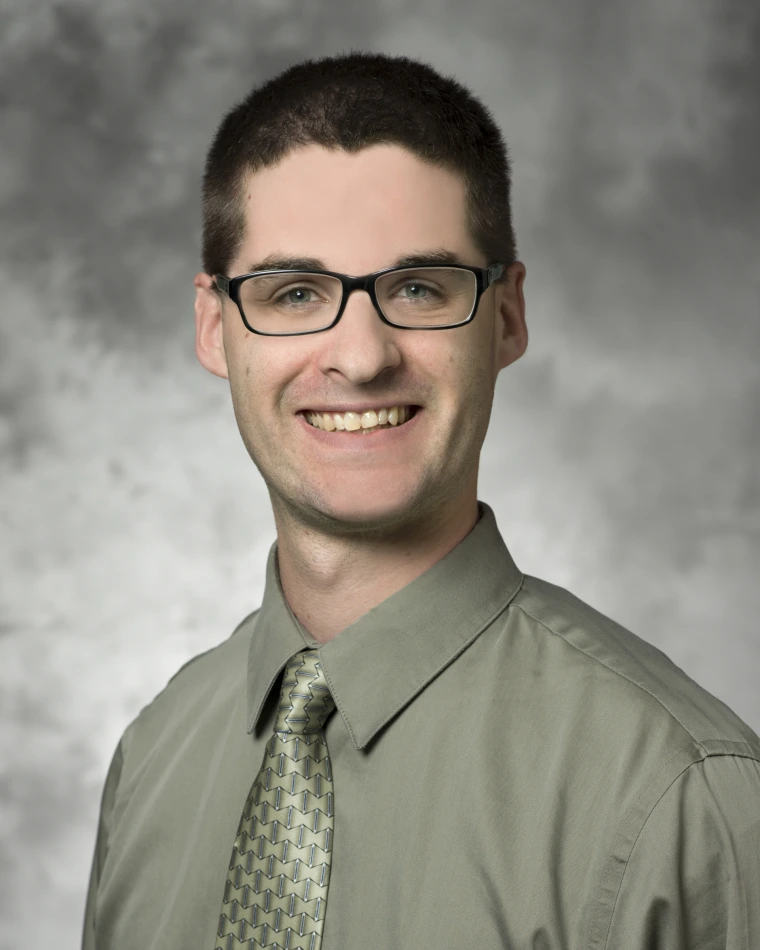
Kyle Suhr, PhD
Clinical Specialties
Associate Program Director

Aimee M. Poleski, PsyD
Clinical Specialties
Faculty
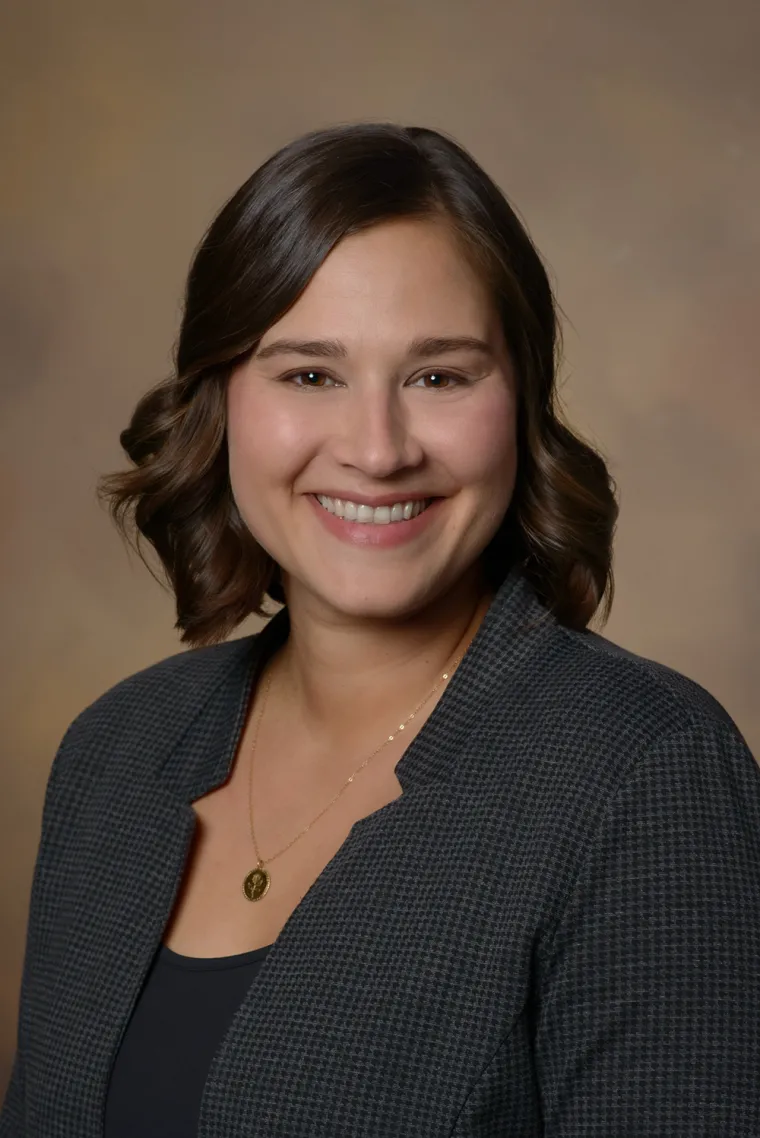
Anna Alkozei, PhD
Clinical Specialties

Chelsea Carr, BCBA-D, PhD
Clinical Specialties
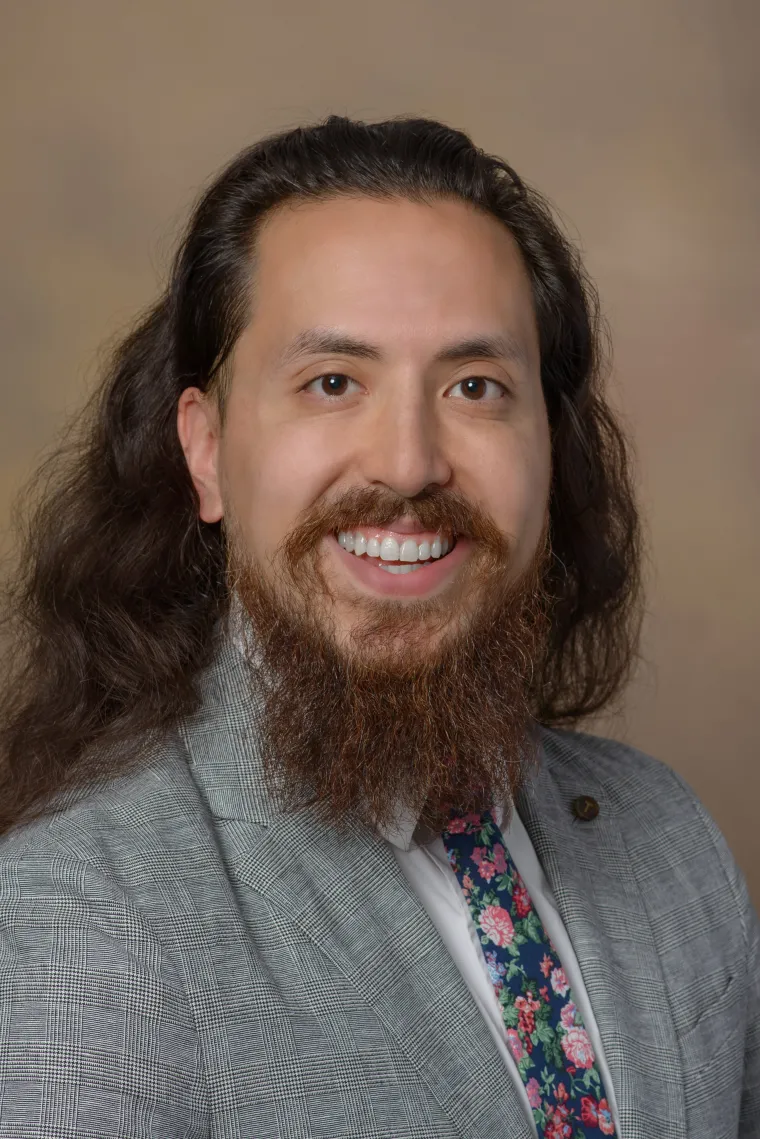
Jason E. Curry, DO
Clinical Specialties
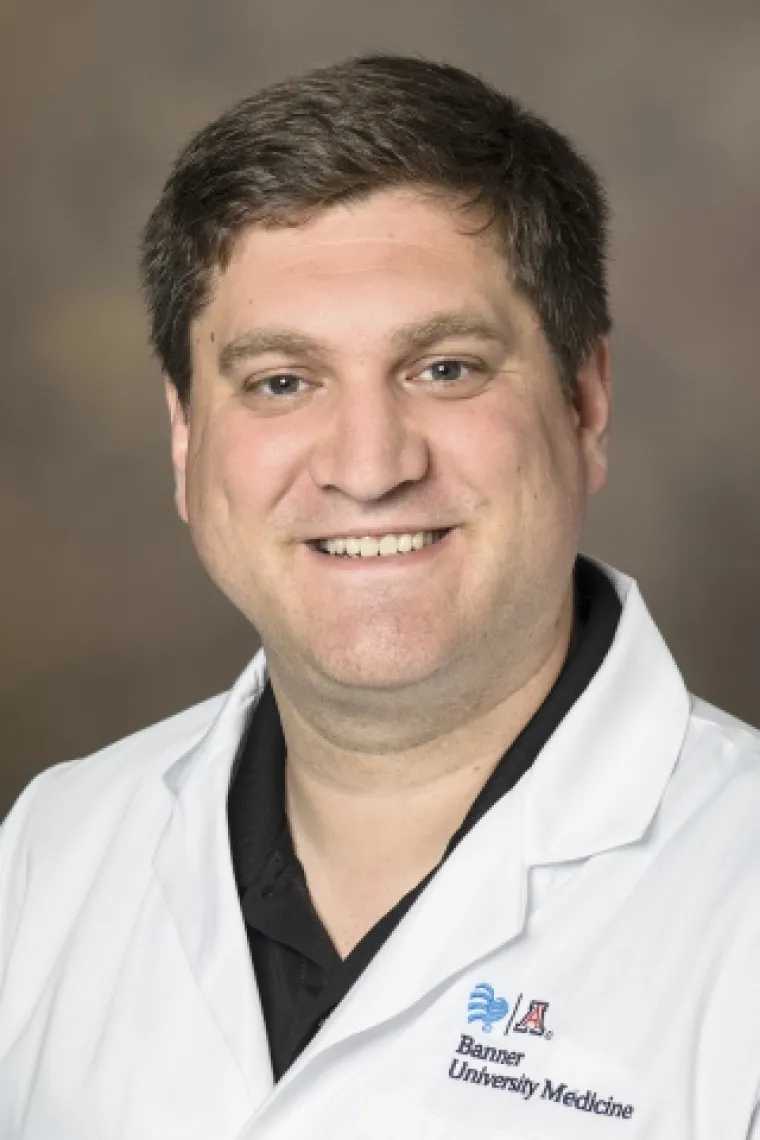
Michael Grandner, PhD, MTR
Clinical Specialties
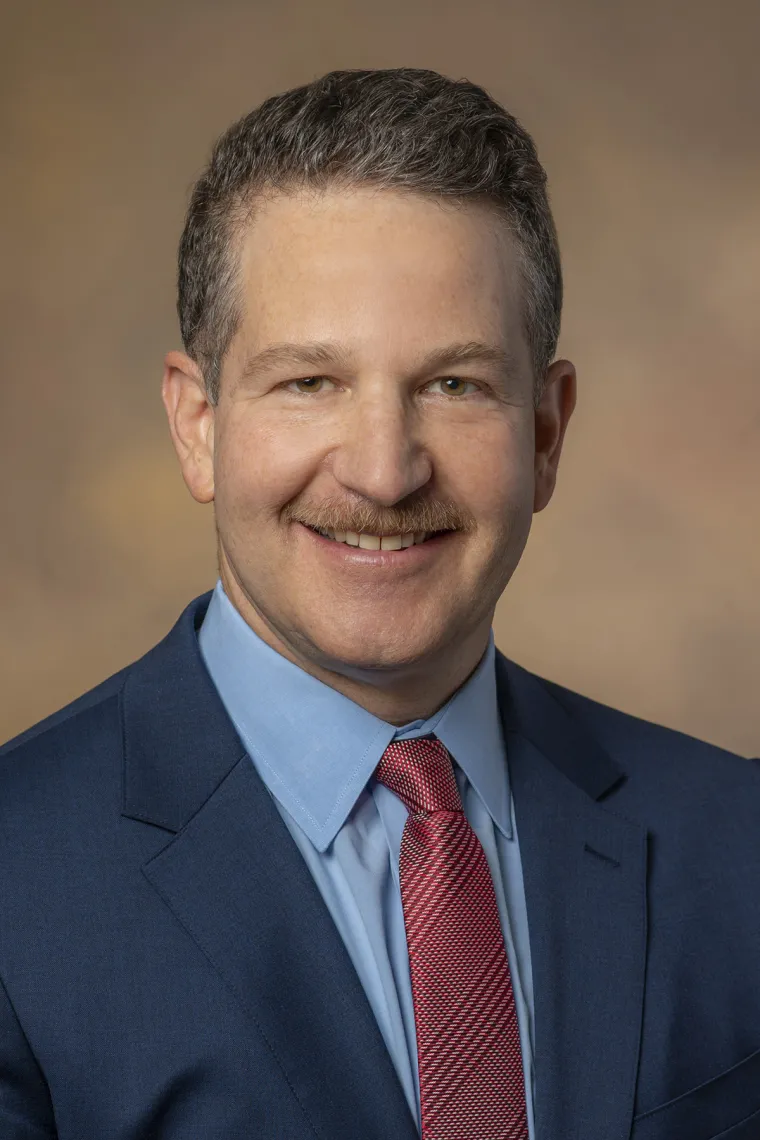
Jordan Karp, MD

Joanna Katsanis, PhD
Clinical Specialties
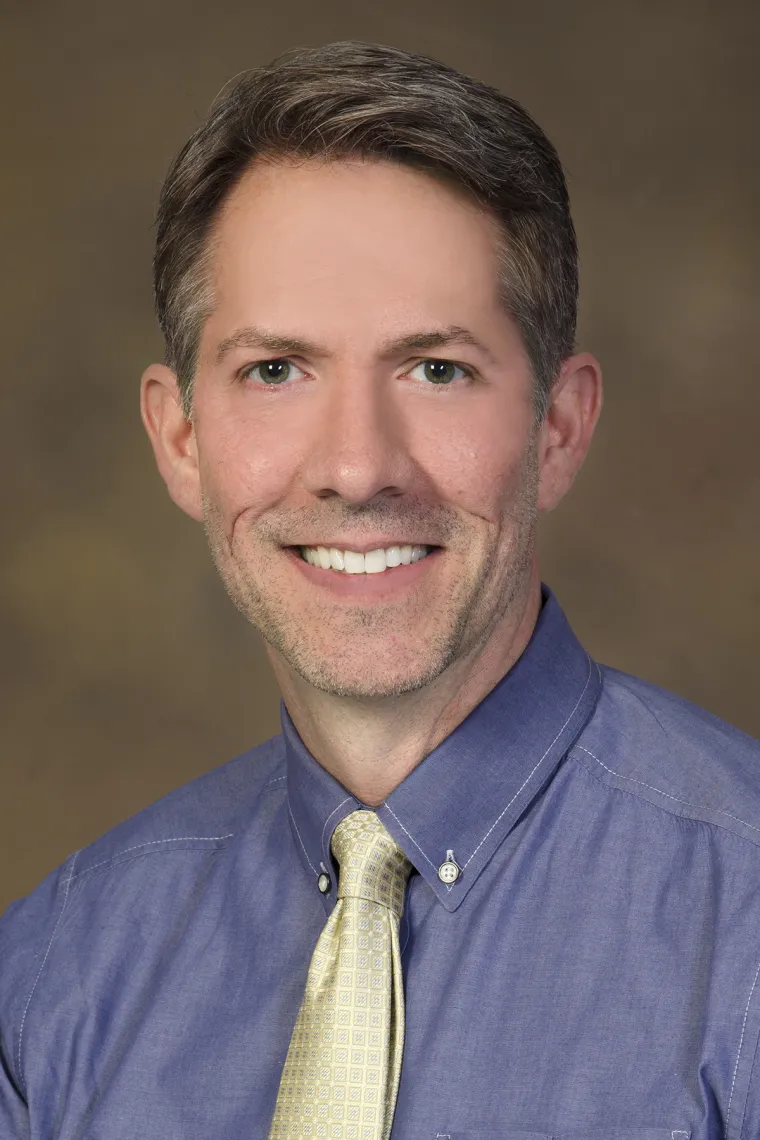
William “Scott” Killgore, PhD
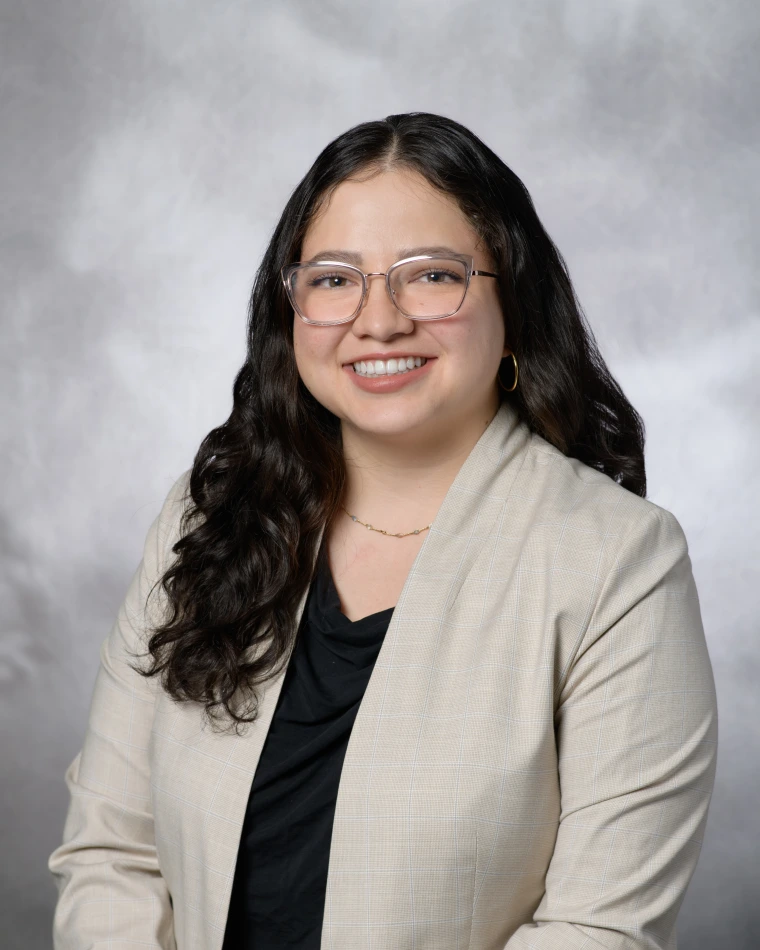
Natalie Lárez, PhD
Clinical Specialties

Mairead H. McConnell, PhD
Clinical Specialties
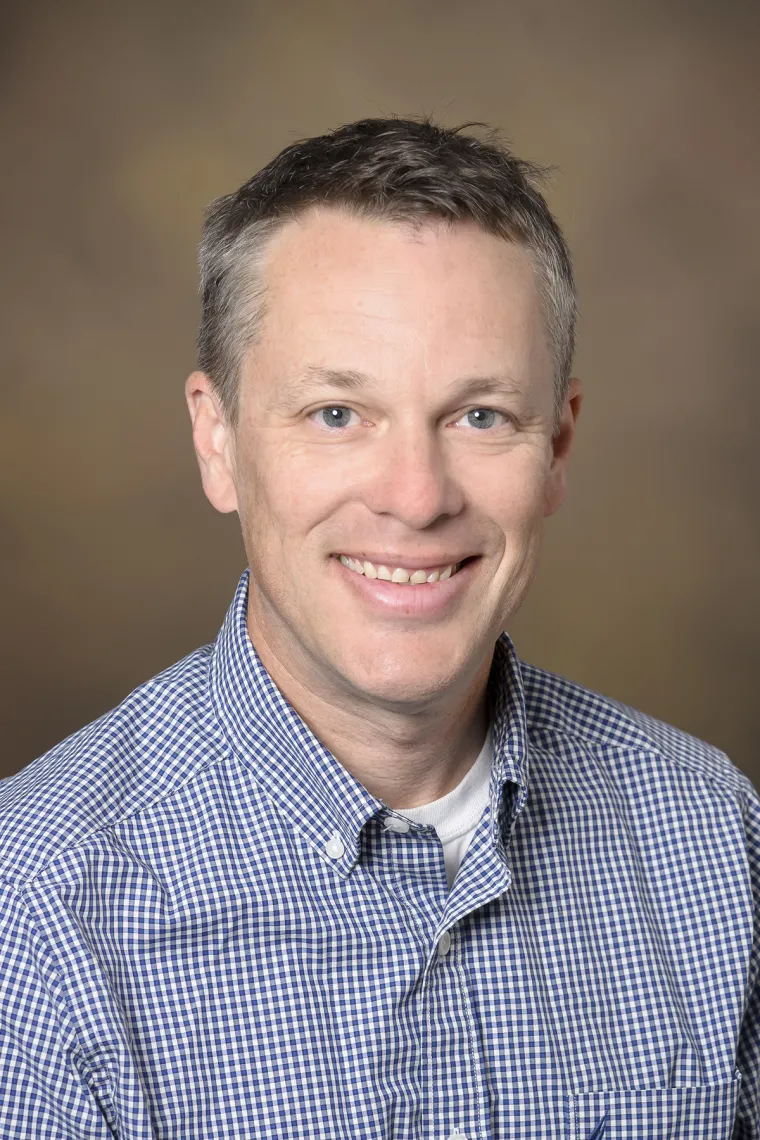
Chad McWhinnie, PhD
Clinical Specialties
Gustavo J. Perez, PhD
Clinical Specialties

Cassandra J. Rasmussen, PsyD
Clinical Specialties
Juan “Toby” Sanchez, PsyD
Clinical Specialties
Catalina Uribe Rini, PsyD, BCBA
Clinical Specialties

Lindsay Ann Bouchard, DNP
DNP Program Director and Interim Chair
Associate Clinical Professor
labouchard@arizona.edu

Sara J. Edmund, DNP
Specialty Coordinator, Psychiatric Mental Health Nurse Practitioner
Associate Clinical Professor
sedmund@arizona.edu

Cindy M. Hernandez Castro, MS
Clinical Specialties

Demetria R. Pizano, MA, MS
Clinical Specialties

Celeste B. Vega Torres, MA
Clinical Specialties

Selin R. Yalcinkaya, MS
Clinical Specialties

Please note that the credentials listed for our alumni in the drop-downs below are the credentials they held at their time of their entry to our program.
Class of 2026

Lea D. Hart, MA
Doctoral Clinical Psychology Intern
Lea Hart decided to pursue graduate studies after experiencing the vast inequity of quality mental health care across the country while growing up in the Midwest. She has accumulated diverse clinical experiences across university health and counseling programs, residential trade programs, community mental health centers and intensive outpatient settings. Additionally, she has conducted comprehensive psychological assessments, including for autism spectrum disorder, attention deficit hyperactivity disorder and other diagnostic evaluations in rural health care settings.
Her clinical approach is relational, collaborative and grounded in cognitive-behavioral theory with a strong emphasis on cultural and trauma-informed care. She aims to foster resilience in her clients and create a safe, welcoming space that promotes long-term growth. Hart said she believes meaningful change begins with a nonjudgmental exploration of core beliefs and values that shape our lives.
Hart has received two grants for her research on anxiety interventions and group therapy in university settings. Additionally, she has conducted research in supervision models and employee belongingness. She completed and defended her dissertation, “The Effectiveness of an Anxiety Intervention on Decreasing State and Trait Anxiety Among University Students.”
Outside her studies, Hart enjoys discovering the best local coffee shops, baking sourdough, running and spending time outdoors.

J. Hunter Howie, MA
Doctoral Clinical Psychology Intern
Hunter Howie is a clinical psychology PhD candidate at the University of Kansas. Before graduate school, Hunter served as a senior clinical research coordinator in Boston, where he contributed to several large-scale biobanking studies at Massachusetts General Hospital and McLean Psychiatric Hospital.
During his graduate studies, Howie trained in various clinical settings, including a community mental health clinic, a Veterans Affairs medical center, and both forensic and acute behavioral health psychiatric inpatient units. His dissertation research focuses on examining metacognitive functioning (a nonclinical psychosis phenotype) and those with first-episode psychosis. Above all, Howie aims to engage in research and clinical practice that will help identify barriers to recovery and improve treatments for individuals diagnosed with serious mental illness.
In his free time, Howie enjoys playing tennis, throwing pottery and reading fantasy/sci-fi novels.
Class of 2025
Image

| Anita Adams, PhDField of Psychology Clinical psychology Where is your career taking you? Psychology postdoctoral fellow at Banner – University Medicine Whole Health Clinic |
Image

| Aaron Aguilar-Bonnette, PhDField of Psychology Clinical psychology (addiction and harm reduction focus) Where is your career taking you? Tenure-track assistant professor at Texas A&M University, Corpus Christi |
Image

| Amanda Preston, PhDField of Psychology Clinical and pediatric psychology Where is your career taking you? TBA |
Image

| Janelle Wee, PhDField of Psychology Clinical psychology Where is your career taking you? Postdoctoral clinical experience in a university clinic |
Class of 2024
Daniel Franz, MA | General Mental Health Psychology Intern Franz is a clinical psychology PhD student from Loma Linda University. He was awarded a bachelor’s degree in 2016 from the University of California, San Diego. Franz has worked in a variety of clinical settings where he served populations of diverse backgrounds. He has experience in neuropsychological testing with children, adults and geriatric populations. Additionally, his training involves him providing therapy services within an integrated care setting, where he is able to work as part of a team with other medical providers. His research is focused on understanding metabolic dysfunction and how this may influence cognitive abilities. Specifically, he is interested in how this information may be used to help guide treatment. Franz has acted as an adjunct professor at La Sierra University, where he has taught classes in neuropsychological assessment and abnormal psychology. Franz and his wife enjoy running together and met one another while they were on the cross-country team at UC San Diego. |
D. Nicolas Oakey-Frost, MA | General Mental Health Psychology Intern Oakey-Frost is a PhD candidate from Louisiana State University (LSU) directly supervised by Dr. Raymond Tucker. He completed his bachelor’s degree in psychology with a minor in anthropology at the University of Utah. Prior to his graduate training at LSU, Oakey-Frost worked briefly as a reunification caseworker for the Utah Department of Child and Family Services; he also worked as a project coordinator for the, now formerly, National Center for Veterans Studies at the University of Utah under Dr. Craig Bryan. His main research interests include risk screening, assessment, and intervention for suicidal thoughts and behaviors (STB), studying phenomenology of suicidal thoughts and examining protective factors for STB. Oakey-Frost’s dissertation project focuses on testing the efficacy of a single session intervention (SSI) model of the Collaborative Assessment and Management of Suicidality (CAMS) within an inpatient psychiatric unit. He is also completing several projects aimed at testing assumptions of measurement invariance in the Suicide Cognitions Scale-Revised (SCS-R) and the Suicide Status Form (SSF). Oakey-Frost’s clinical interests include inpatient psychiatric care, primary care mental health integration, and empirically supported treatment of STB and post-traumatic stress disorder (PTSD); he considers himself a strong proponent of cognitive behavioral therapy (CBT), emphasizing assessment, case conceptualization and routine treatment outcome monitoring. Otherwise, Oakey-Frost has been shredding guitar for over 20 years and enjoys sport climbing and biking (mountain or road). He has two beautiful kids and a very supportive partner, RuthAnne, who is herself an attorney and accomplished writer. |
Nathalia M. Padilla-Diaz, MS | General Mental Health Psychology Intern Padilla-Diaz is a Puerto Rican doctoral student, completing her clinical psychology training as an intern, through the University of Arizona Department of Psychiatry. She began her doctoral studies at Albizu University located in San Juan, Puerto Rico. During her clinical training, she has provided services to psychiatric populations, high-risk suicidal patients, rural area clients, and homeless participants, among others, either in assessment, treatment, or consultation. Padilla-Diaz was also part of the Dialectical Behavioral Therapy Program at the Albizu Clinic, where she developed a broader perspective to identify multifactorial causes of the patient’s behavior and thoughts to work accordingly to their needs. She recognizes the importance of cultural diversity in her academic development and worked to be attentive, sensitive and aware of the diversity of patients. Given her background training in CBT, DBT and other theoretical models, Padilla-Diaz aspires to continue learning about evidence-based treatments and continue to offer mental health services to diverse minority populations, such as the Latino community. Her clinical interests include assisting patients with borderline personality disorder, personality and neuropsychological assessments, and acquiring experience in treating sleep disorders. During her free time, Padilla-Diaz enjoys spending time with her dog, going on hikes and paddleboarding. |
Catalina Rini, MS, BCBA | Child Psychology Intern Rini is a school psychology PsyD student from Nova Southeastern University, where her capstone research project was titled “Strength-Based, Neurodiversity Affirming Approaches to Understanding Autism: Recommendations for Educators.” Through her graduate studies, she has had the pleasure of training at a comprehensive psychological assessment clinic, a private K-12 school, a child welfare agency, a summer literacy program for underserved communities, and the psychiatric department of a children’s hospital. At this children’s hospital, Rini found a passion for working with adolescents experiencing mental health crises and their families. As an immigrant from Colombia, she also focuses on supporting children and families from underserved backgrounds and supporting Hispanic and Latinx populations through bilingual services. Rini’s clinical practice is also informed by the knowledge and training she has gained from her work as a preschool teacher, autism case manager, and as a board-certified behavior analyst. She enjoys outdoor adventures with her husband and dogs, making polymer clay earrings and woodworking, and creating therapeutic games and resources in her free time. |
Jennifer Yoe, MA, MSW, LCSW-A | Child Psychology Intern Yoe is a clinical psychology PsyD student from Western Carolina University, with a diverse range of educational and professional experiences. Yoe has earned two master’s degrees, one in social work and another in clinical psychology, both from Western Carolina University. She also holds a bachelor’s degree in psychology from Columbus State University and an associate’s degree in emergency medical science from Guilford Technical Community College. Yoe’s early beginnings in the medical field instilled passion for working in the medical setting, and she is particularly passionate about integrated care. Although she enjoys treating patients throughout the lifespan, Yoe has a vested interest in the well-being of adolescents. She has worked in psychiatric residential treatment facilities in Hawaii, North Carolina and Alaska providing care to adolescent sex offenders and adolescents with severe emotional and behavioral health issues. She has also worked as a therapist for dual-diagnosis adolescent males in wilderness treatment and as a school-based therapist for middle and high schoolers. She has spent the last year honing her assessment skills performing comprehensive psychological testing for clients across the lifespan in the private practice setting. Yoe is an avid hiker and adventurer who is raising two magically fierce daughters with her husband. She hopes to continue to make a positive impact in the lives of her patients and their families in Tucson. |
Class of 2023
Rebecca Campbell, MA | General Mental Health Psychology Intern Campbell is a clinical psychology PhD student from the University of Arkansas, under the supervision of Dr. Ellen Leen-Feldner. She completed her bachelor’s degree in psychology and religious studies at the University of Pittsburgh. Her main research interests involve investigating the effects of sleep loss on emotion regulation with the goal of using this knowledge to inform approaches to psychotherapy. Specifically, her dissertation aims to illuminate the effects of acute sleep deprivation on the ability to reappraise negative situations. Her interests also expand into sleep interventions in integrated primary care settings. Her aim is to quantify patient need and leverage the interdisciplinary team to increase access to evidence-based interventions. Currently, Campbell is collaborating with an interdisciplinary team to 1) assess rates of sleep problems in a university integrated primary care setting, and 2) to conduct a randomized-control trial to test a “single-shot” of cognitive behavioral therapy for insomnia. Campbell’s clinical concentrations include behavioral sleep medicine and integrated primary care. While her training centered around cognitive behavioral approaches, she considers her approach as integrative with an emphasis on strong case conceptualization, adaptive use of evidence-based treatments and routine outcome monitoring. In her free time, Campbell enjoys playing boardgames and tabletop roleplaying games, reading and camping. |
Elizabeth Corning, MA | Child Psychology Intern Corning is a student intern completing her predoctoral training through the University of Arizona Clinical Psychology Internship Program child/adolescent track. Originally from the suburbs of Chicago, she received a bachelor’s degree in psychology from the University of Alabama in 2017 and is pursuing her PhD in clinical psychology within the child clinical-developmental psychopathology focus at Northern Illinois University. Corning’s clinical interests involve working with children and families to provide empirically supported intervention for youth developmental, behavioral and social emotional concerns with a focus on treatment of anxiety disorders. Her training additionally includes a strong emphasis on child and adolescent psychological and neuropsychological assessment. Prior to her internship at U of A, Corning worked as a clinician providing therapy and evaluation services in an outpatient practice focused on comprehensive pediatric neuropsychological evaluation. Her professional experience also includes involvement in parental responsibility evaluations and the intersection between clinical psychology and family law. Complementing clinical interests in family dynamics and youth pathology, Corning’s academic research examines how family processes contribute to the development and maintenance of youth externalizing disorders in populations of economically disadvantaged youth. Specifically, she is interested in exploring how parenting behaviors and environmental influences at the community level may act as risk or protective factors in the development of child and adolescent conduct problems and callous-unemotional traits. |
Celina LaForge, MA | Child Psychology Intern LaForge is a doctoral student in the school psychology program at the University of Arizona. She received her BS in elementary education from Northern Arizona University. Upon completing her degree, she became an elementary school teacher for two years. She then completed her MA in school psychology with a specialization in bilingual school psychology from the University of Arizona. She has worked in the Vail School District as a school psychologist for the past several years where she specialized in working with students on developing their mental health, learning and behavior. As a school psychologist, she became part of children’s communities, partnering with family and school systems to support children’s well-being. LaForge then pursued advanced education and training through doctoral studies in the school psychology program at the University of Arizona, during which she has provided person-centered therapy services and has further developed specialization in the assessment and treatment of bilingual and bicultural youth with neurodevelopmental and related disorders. Her training across the past two years has focused on psychological and behavioral health services to culturally and linguistically diverse youth, which will culminate in a dissertation on the impact of function-based treatment on Hispanic parenting stress, treatment acceptability and child behavioral outcomes. Through her internship, she aims to expand upon her skill set in providing evidence-based practices to marginalized communities through a culturally responsive framework. Outside of work, she enjoys spending time with her family, reading and hiking. |
Genna Losinski, MA | General Mental Health Psychology Intern Losinski is a pre-doctoral psychology intern at the University of Arizona Department of Psychiatry. She is currently working toward her PhD in clinical psychology at the University of Kansas in Lawrence, where she received her MA in 2019. Prior to starting her graduate studies, Genna earned a BS from John Carroll University (Cleveland, Ohio) in 2013 and later worked as a research coordinator at the Cleveland Clinic Center for Brain Health. In this position, Losinski learned firsthand how neurodegenerative diseases can impact the lives of people living with them and their families, and she witnessed the fortitude many exhibit in the face of their illness. These experiences fueled Losinski’s decision to seek a career in clinical health psychology. Over the course of her clinical training, she has gained experience in providing evidence-based treatment to patients from diverse backgrounds in a variety of health care settings including integrated primary care, acute inpatient rehabilitation, outpatient oncology and behavioral pediatrics. Losinski also has experience completing psychological evaluations for medical interventions for both the spine and bariatric centers. Losinski’s research program is broadly focused on advancing the understanding of preventive health strategies by examining the relationship between modifiable lifestyle behaviors and disease risk as people age. She has developed a strong interest in women’s health disparities over the lifespan and seeks to understand reasons for aging, gender and sex disparities in preventive health care. In her spare time, Losinski enjoys baking and exploring the local parks with her partner and beloved dog, Huckleberry. |
Leilani Puentes, MA | General Mental Health Psychology Intern Puentes is a 28-year-old Hispanic, Indigenous and Caucasian woman who started her career in the field of psychology at a young age, learning the importance of effective and efficient psychological care through the needs of her family. “I am thankful to have always known what I wanted my career to be, and even more thankful now that I am closer to the finish line. In terms of my clinical aspirations, I have a deep interest in neuropsychological testing as it relates to the aging process and addiction. I also find that I am most comfortable in group therapy settings, where my upbringing in a sizable family environment serves me well. For this reason, I foresee a career as a neuropsychologist that provides both testing and traditional therapeutic services targeted to meet the specific needs of my community. I am also heavily involved in research and plan to hold a longstanding position on the edge of new investigations. With regards to my personal life, I have a brilliant 2-year-old son who wants to grow up to be a firefighter just like his dad. I enjoy playing the piano and painting when I am able, as well as baking desserts with my sisters. I very much look forward to fostering my professional abilities alongside my colleagues during internship and am very thankful for this opportunity.” |
Class of 2020
Lindsey Collins, PhD | Child Psychology Intern Collins is originally from Cincinnati, Ohio. She received her undergraduate degree in psychology with a minor in statistics from Miami University of Ohio. In graduate school, Collins has conducted research on childhood risk for OCD and patterns of symptom reduction in exposure therapy for OCD. Broadly, her clinical interests include cognitive-behavioral and family-based interventions for youth and their families. She is very excited to continue her clinical training in the Child/Adolescent track at the University of Arizona College of Medicine Psychology Internship. In her free time, Collins loves to sing, play tennis, attend live theater performances and explore local restaurants. Collins completed her PhD in Clinical Psychology at Binghamton University (SUNY) in Upstate New York. |
Erin Hanks-Moehr, PhD | General Mental Health Psychology Intern Hanks-Moehr earned her undergraduate degrees in English literature and psychology, and a graduate degree in clinical mental health counseling from Northern Arizona University (NAU). She completed her PhD in NAU’s Combined Counseling/School Psychology program. Hanks-Moehr’s experience has included working in multiple settings across rural Northern Arizona such as community mental health programs/organizations, domestic violence shelters, hospitals, and providing psycho-education/assessment services to communities on the reservation. She has been involved in many research efforts, including topics of friendships and relationships, narrative therapy, and counselor/psychologist resilience and well-being training in graduate programs. She is currently working on her dissertation, which explores the counseling supervision relationship in a cross-cultural context. Hanks-Moehr continues to have evolving interests in assessment, severe mental illness, supervision, integrated care and advocacy. She remains passionate about helping her community; through her work in the Social Justice Action Committee, she has been involved in multiple projects, such as rural women’s health awareness/supplies, training in politics and psychology, supporting hospitalized children and suicide prevention efforts. She is a native of Flagstaff, Arizona, and in her free time, she enjoys spending time with her family and friends, hiking, reading, painting, playing piano and caring for her animals. |
Maria Alicia Nuñez, PhD | General Mental Health Psychology Intern Nuñez is from San Diego. As part of her studies at San Diego State University, she completed a double major in psychology and Spanish and earned a Master of Public Health degree with an emphasis in health promotion and behavioral sciences. Nuñez completed her PhD in clinical psychology at the University of Nevada, Las Vegas. Nuñez does research in clinical health psychology, cross-cultural neuropsychology and health disparities. Regarding clinical practice, Nuñez is interested in providing psychological services to clinically, linguistically and culturally diverse patients. Through her work, she aims to expand understanding of how biopsychosocial factors affect psychiatric morbidity and health. In addition to conducting scholarly activities and providing psychological services, Nuñez enjoys having an active healthy lifestyle, spending time with her loved ones and traveling. |
Erik Wing, PhD | General Mental Health Psychology Intern Wing grew up in Bloomington, Minnesota, completed his undergraduate degree at the University of Wisconsin-Madison and completed his PhD in clinical psychology at the University of Kansas. His graduate research focused on mechanisms of and interventions targeting emotion dysregulation. Projects included an fMRI investigation of tDCS facilitated cognitive reappraisal in MDD individuals, as well as his dissertation, an empirical separation of mind wandering and perseverative cognition in the determination of affective dynamics. Wing has a passion for neuroscience both in methodology and instruction; he taught several undergraduate neuroscience courses at KU and developed the clinical neuroscience offering for KU’s online college. Wing concentrated his clinical training on SMI populations, providing assessment and therapeutic services in the inpatient psychiatry unit at the University of Kansas Medical Center. |
Doctoral Clinical Psychology Postdoctoral Fellowship
The Postdoctoral Fellowship is a one-year program that embraces a scientist-practitioner model.

Our mission is to develop competent psychologists who possess the knowledge, attitudes, and skills necessary for the treatment of serious mental illness and practice of health psychology. Our didactic, supervision, and experiential training activities ensure fellows become proficient in utilizing acquired knowledge in clinical practice as independent, competent providers and emerging leaders in the field.
Throughout the program, fellows develop and refine their skills in psychotherapeutic interventions, evaluation, and psychological assessment. Graduates are prepared to work effectively in interprofessional settings and to provide interdisciplinary, team-based healthcare.
The program’s training goals and methods are based on five core commitments:
- Science-based psychological practices
- Quality training in broad clinical skills across the lifespan to ensure readiness to begin independent practice
- Quality training in interdisciplinary and integrated mental health care sites of high need/high demand areas
- Service to Southern Arizona’s unique patient populations
- Service in an interprofessional environment, bringing forth the competencies of a health service psychologist to health organizations including community agencies, outpatient clinics, and inpatient settings.
The fellowship begins on the third Monday of August of each year and ends on the second Friday of August the following year. For the 2026-2027 training year, the fellowship begins on August 17, 2026 and ends on August 16, 2027.
Our program’s clinical training methods largely include experiential clinical activities and are supplemented by formal and informal didactic activities.

Clinical supervisors provide teaching and oversight tailored to the fellow’s abilities and training needs, with the goal of increasing responsibility and independence throughout the fellowship year. The integration of science and practice is accomplished formally through trainings, seminars, case conferences, and Grand Rounds that emphasize empirically supported findings, as well as informally through role modeling and case-based literature reviews.
Our program offers unique and comprehensive training opportunities in:
- Working with outpatient populations with some opportunity for inpatient
- Providing care to high-need and rural communities
- Training in integrated, interdisciplinary behavioral settings
- Telemedicine practice and training
- Health Psychology (sleep, pain, chronic illness, weight management, and bariatric psychology)
- First episode psychosis care
- Psychodiagnostic, ADHD, learning disability, and presurgical assessments
- Professional development in mental health advocacy, community partnership, cultural-focused trainings for psychiatry faculty and staff
Rotation Offerings
Rotations are six-to-twelve months long. Fellows spend 28 hours per week for the full training year at their designated track. Psychology fellows are provided with a choice to engage in an eight-hour per week Minor rotation for six- or twelve-months, for up to two Minor rotations over the training year. Fellows can decline to complete a Minor rotation and spend 36 hours per week at their Specialty Track site.
Core Skills & Abilities
Upon program completion fellows will be confident to independently treat mental health difficulties across the life span and prepared to work within their area of specialty, serious mental illness or health psychology. Our program advances the professional and personal development of fellows as competent psychologists by assuring the acquisition of core competencies, including:
- Preparing fellows for the effective, independent, and ethical practice of professional psychology
- Developing advanced knowledge in diagnostic interviewing, crisis intervention, and psychological assessment
- Developing skills in interprofessional collaboration, team-based integrated care
- Understanding the indications for psychotropic medications and other somatic interventions and be able to apply this knowledge in their clinical work with patients
- Learning the dynamic interplay of biological, psychological, and social factors and the multitude of ways they interact to affect illness, resilience, and overall health
Fellows conduct comprehensive evaluations of individuals across the life span, with varied sociocultural and ethnic backgrounds, who present a broad range of psychopathology (e.g., mood disorders, psychotic-spectrum disorders, neurodevelopmental and neurodegenerative disorders, and anxiety disorders). Fellows gain competence in:
- Applying major treatment modalities
- Learning and applying interventions to treat serious mental illness and/or health psychology
- Teaching professionals in other disciplines (psychiatry, medicine), families, and members of community agencies
- Increasing familiarity with research methodology and professional/scientific literature on evidence-based clinical intervention
- Participating effectively as leaders within multidisciplinary teams
Supervision
Each fellow can expect to have one hour per week of face-to-face supervision for their Specialty Track, and one hour per week of supervision for their Minor Rotation. Fellows who decline a Minor Rotation option and elect to spend 36 hours per week at their Specialty track will have two hours of supervision in their Specialty Track. Our program emphasizes high-quality supervision with full-time, licensed psychologists committed to clinical training.
Educational Activities
Fellows will also have two hours of other educational activities per week. A wide range of educational offerings are provided through the Department of Psychiatry, College of Nursing, and Department of Psychology. Through in-person and online didactics, course activities, telehealth simulation activities, and clinical rotations, fellows gain a variety of experiences and skills that will aid them in increasing patient access to high-quality behavioral health care. Didactic topics aim to increase knowledge and competency in integrative care, interdisciplinary skills, and cultural competence.
The Psychology Postdoctoral Fellowship has two positions available in the following specialty tracks:
Early Psychosis Intervention Center (EPICenter)
EPICenter is a comprehensive community mental health program that offers evidence-based, phase-specific treatments for adolescents and young adults (14-32 years old) in the early course of a psychotic illness. Fellows learn about the prevention and treatment of psychotic and related mood disorders in a dynamic multi-disciplinary setting that is also centered around inclusion of the family in patient care.
Fellows on this track perform the following roles at EPICenter:
- Direct clinical care to clients, individual and family modalities
- Facilitation of one weekly therapy group per semester: cognitive behavioral therapy for psychosis (CBTp) for young adults, CBTp for adolescents, social skills training, and other postdoc interest and program need.
- Facilitation of two multi-family group sessions per month
- Completion of two intake psychological assessments per month.
Fellows are expected to complete four, one-hour didactics per month. The fellow also has an ongoing consulting role with EPICenter trainees and members of the EPICenter team (peer support specialist and case manager).
In addition, fellows give four, one-hour didactic presentations during the training year to EPICenter trainees. Fellows also participate in data collection and analysis as part of program development initiatives at EPICenter. This rotation offers ongoing collaboration and consultation with an interdisciplinary team including weekly clinical review, individual clinical supervision, and two biannual, half-day retreats. Psychoeducation and community outreach are integrated into the rotation as well. Supervision in Spanish is available with Drs. Pérez and Sánchez.
Serious Mental Illness at Whole Health Clinic (WHC)
WHC’s multidisciplinary team provides behavioral healthcare to a consistently underserved and culturally and linguistically diverse population, many with serious mental illnesses who are often unemployed, without housing, and dependent on Medicaid (the Arizona Health Care Cost Containment System, AHCCCS, pronounced “Access”) to cover their treatment costs. Fellows are integrated into a care team that includes case managers and peer support specialists, where they learn to provide comprehensive, coordinated ambulatory care to some of the most high-need mental health patients in our community.
Fellows on this track perform the following roles at WHC:
- Providing general outpatient psychotherapy to AHCCCS patients who are primarily diagnosed with SMI conditions
- Facilitation of short-term specialized groups in areas of interest that align with clinic needs, such as trauma integration and addiction
- Conducting cognitive and psychological evaluations
- Quarterly education presentation to WHC staff
Health Psychology at Whole Health Clinic (WHC)
On this track, fellows will work with the WHC’s multidisciplinary team to provide behavioral healthcare to a consistently underserved and culturally and linguistically diverse population, many of whom are dependent on AHCCCS to cover their treatment costs. Fellows learn about health psychology in a multidisciplinary setting and will provide psychotherapeutic services to patients with a variety of medical comorbidities.
Fellows on this track perform the following roles at WHC:
- Provide outpatient health psychology/behavioral medicine interventions to patients seen at the WHC
- Facilitate short-term, specialized health psychology groups
- Quarterly presentations to WHC staff
Fellows can engage in minor rotations at:
EPICenter (Whole Health Clinic Fellows)

EPICenter is a comprehensive community mental health program that offers evidence-based, phase-specific treatments for adolescents and young adults (14-32 years old) in the early course of a psychotic illness. Fellows learn about the prevention and treatment of psychotic and related mood disorders in a dynamic multi-disciplinary setting that is also centered around inclusion of the family in patient care. Supervision in Spanish is available with Drs. Pérez and Sánchez.
- Intake assessments
- Short-term individual therapy
- Brief family therapy
- Co-facilitation of a specialized group
- Consultation to EPICenter trainees
Banner – University Medical Center South (Behavioral Health Pavilion Inpatient)

Banner – University Medical Center South is one of the largest adult psychiatric inpatient facilities in Tucson with a 66-bed capacity. Comprehensive interdisciplinary services are provided. A fully equipped state courtroom within Banner – UMC South serves as the adjudication site (currently remote) for court-ordered treatment of patients. Interns learn about and assist in the delivery of high-quality behavioral health care in a Level 1 treatment setting, including consultation services with an interdisciplinary team, and brief, targeted therapies with current inpatients. Experiences with long-term care of more complicated psychiatric patients can be found on the Tucson campus.
Pain Psychology
Fellows learn how to assess for and treat behavioral and psychiatric concerns that contribute to chronic pain; how to conceptualize cases and consider related medical and psychiatric conditions; and administer, score and interpret a variety of assessment instruments for pre-surgical candidacy.
Behavioral Sleep Medicine
Fellows learn how to recognize, screen for, diagnose and treat sleep disorders. The clinic has a primary focus on treatment of insomnia, though fellows may also see cases of sleep phase delay/advance, shift work disorder, nightmare disorder and cPAP adherence. They may also have exposure to behavioral recommendations that can be made as adjunctive treatment of narcolepsy, other hypersomnia disorders and parasomnias.
The rotation includes administration and scoring of assessment instruments, clinical interviews, case conceptualization, consideration of other medical and psychiatric conditions, and collaboration in care with primary care, psychiatry and sleep medicine. The BSM clinic also has a BSM case consultation group with other BSM providers throughout the Banner system and other training facilities.
Fellows also have access to the weekly Behavioral Sleep Medicine Seminar (BSMinar), which features renowned sleep medicine scientists, physicians and BSM practitioners. Access to previous recordings is also available in a back catalog for fellows to access. Participation in BSM Case Consultation and BSMinar are not required, but highly encouraged. Fellows will participate in activities that may count toward the Diplomate in Behavioral Sleep Medicine, official board certification in BSM post-licensure.
Weight Management and Bariatric Psychology
Activities include presurgical evaluations for bariatric surgeries and CBT for weight management.
Applied Behavior Analysis
Fellows receive training on the assessment of challenging behavior in individuals with and without neurodevelopmental disorders (ages 2 to 18), including function-based treatment, parent management training, school consultation, acceptance and commitment therapy, and assessment for OCD and tic disorders.
Child Psychology
Banner – UMC South is the largest provider of ambulatory psychiatric and psychological services in Tucson to children/adolescents, adults and geriatric patients and their families for a range of conditions.
Advocacy, Community and Leadership
Activities on this minor rotation may include:
- Creation of trainings to deliver to community partner sites, such as Mariposa Community Health Center, Marana Health and the Pascua Yaqui Tribe
- Establishing and furthering relationships with community organizations serving youth and adults in marginalized groups
- Provide community education to high-need, low-service areas in Southern Arizona
- Participate in all PsyDAC activities
- Delivery of two leadership workshops to the psychiatry department
- Participate in ongoing departmental community engagement projects
The fellowship positions are full-time and pay an annual salary of $62,400.
Psychology fellows have 18 PTO days and eight sick days annually. PTO is accrued at a rate of 0.0692 hours per work hour, and sick time is accrued at 0.033 hours per work hour. Each fellow is allotted three conference/professional days.
Benefit options include medical, dental and eye insurance plans.
As employees, fellows are provided with malpractice coverage under Banner – University Medical Center.
Educational Requirements
Applicants to the University of Arizona Postdoctoral Fellowship Program must have conferred a PhD or PsyD degree in clinical, counseling or school psychology by the start of the fellowship training year.
Preference is given to applicants from APA and PCSAS-accredited programs and with previous experience with and/or evidence of strong interest in working with underserved communities within an integrative, multidisciplinary environment.
Fellowship Sites
Fellowship sites are located in academic medical settings. While previous experience in medical settings is not a requirement, fellows should be able to function in a multidisciplinary setting.
Eligibility
The University of Arizona is an EOE/AA employer and does not discriminate on the basis of age, sex, race, religion, national origin, veteran status or handicapping condition in its admissions, employment, educational programs or activities. Inquiries maybe referred to the Vice President for Academic Affairs and Affirmative Action Officer, University of Arizona, Administration 510, Tucson, AZ 85721, or 520-621-3081.
Background Check
Applicants should be aware that after the fellowship program extends acceptance offers to prospective fellows, their hire is contingent on drug testing and a successful background check as required by the University of Arizona for employment.
For prospective fellows whose background checks reveal a felony conviction, offers of employment will be rescinded. Misdemeanor convictions will be evaluated on a case-by-case basis. We encourage applicants who may have misdemeanor convictions to discuss these with the program directors informally via email prior to application.
Drug Testing
We recognize that cannabis is a legal recreational drug in many states, including Arizona. However, cannabis use among psychology trainees is prohibited.
Vaccinations
Banner – University Medical Center requires a tuberculosis test and proof of immunity to measles, mumps, rubella, hepatitis B and chickenpox. Proof of immunity for these conditions can be shown via documentation of MMR, hepatitis B and chickenpox vaccines or documentation of titers proving immunity. All Banner trainees are required to get the flu vaccine or provide exemption paperwork which may be granted due to medical or religious reasons. Tetanus, diphtheria, pertussis (Tdap) and COVID vaccines are strongly recommended.
While not formally participating in the Association of Psychology Postdoctoral and Internship Centers match system, we do structure our program in alignment with all APPIC policies for recruitment. Please include all of the following materials with your APPIC online application.
- Cover letter clarifying to which track you are applying: Early Psychosis Intervention Center, Severe Mental Illness at Whole Health Clinic, Health Psychology at Whole Health Clinic
- Documentation of graduate degree conferral
- Three (3) Standardized Reference Forms
- Current curriculum vitae
Applications for the 2027-2028 program are due December 11, 2026.
Interview Notification Date: December 18, 2026
Tentative Interview date(s): January 5 and January 6, 2027
Common Hold Date (to accept, decline or hold an offer): TBD
APPIC Match Policies
The Psychology Postdoctoral Fellowship in the Department of Psychiatry at the University of Arizona College of Medicine – Tucson abides by the APPIC Match policies. Notification of acceptance will be made according to the APPIC Selection Standards including the Common Hold Date. In addition, please review the Postdoctoral Selection Standards available at the APPIC website.
Our mission is to contribute to a skilled health care workforce through training behavioral health providers who are able to effectively deliver evidence-based techniques and superior patient care.
Our didactic and experiential training activities ensure trainees are able to work independently as ethical, competent behavioral health providers. Successful candidates must have graduated from a doctoral program in school, clinical or counseling psychology (PhD or PsyD).
This Psychology Postdoctoral Fellowship is now beginning the 2026-2027 academic year and is not currently accredited by the American Psychological Association.
The fellowship program anticipates applying for accreditation in the near future.
For questions related to our accreditation status, please contact:
The American Psychological Association – Commission on Accreditation
750 First Street NE
Washington, DC 20002-4242
202-336-5979
apaaccred@apa.org
Our People
Program Director
Kyle Suhr, PhD
Clinical Specialties
Associate Program Director
Aimee M. Poleski, PsyD
Clinical Specialties
Faculty
Chelsea Carr, BCBA-D, PhD
Clinical Specialties
Jason E. Curry, DO
Clinical Specialties
Michael Grandner, PhD, MTR
Clinical Specialties
Jordan Karp, MD
Natalie Lárez, PhD
Clinical Specialties
Chad McWhinnie, PhD
Clinical Specialties
Gustavo J. Perez, PhD
Clinical Specialties
Cassandra J. Rasmussen, PsyD
Clinical Specialties
Juan “Toby” Sanchez, PsyD
Clinical Specialties
Catalina Uribe Rini, PsyD, BCBA
Clinical Specialties
Anita Adams, PhD
Health Psychology Fellow
Dr. Anita Adams earned her clinical psychology PhD from the University of Kentucky. She completed her bachelor’s degrees in psychology and English-creative writing with minors in cognitive science, Spanish, and health, human values, and vaccinations at North Carolina State University. Her research focuses on how early life adversity impacts emotion-based personality traits, psychopathology and coping development for minoritized and historically under-represented populations. She is also interested in the investigation of transdiagnostic mechanisms to improve psychopathological outcomes in minoritized populations, emotion-based personality trait and disorder development across the lifespan, adverse early life experiences, emotion and emotion regulation, and health psychology. Dr. Adams’s clinical interests include trauma- and culturally informed interventions (including cognitive-behavioral therapy, dialectical behavior therapy and radical healing) to improve psychological and physical health outcomes for minoritized and historically underrepresented/served populations.
Class of 2026
Anita Adams, PhD
Health Psychology Fellow
Dr. Anita Adams earned her clinical psychology PhD from the University of Kentucky. She completed her bachelor’s degrees in psychology and English-creative writing with minors in cognitive science, Spanish, and health, human values, and vaccinations at North Carolina State University. Her research focuses on how early life adversity impacts emotion-based personality traits, psychopathology and coping development for minoritized and historically under-represented populations. She is also interested in the investigation of transdiagnostic mechanisms to improve psychopathological outcomes in minoritized populations, emotion-based personality trait and disorder development across the lifespan, adverse early life experiences, emotion and emotion regulation, and health psychology. Dr. Adams’s clinical interests include trauma- and culturally informed interventions (including cognitive-behavioral therapy, dialectical behavior therapy and radical healing) to improve psychological and physical health outcomes for minoritized and historically underrepresented/served populations.
Class of 2025

Catalina Uribe Rini, PsyD
EPICenter Fellow
Dr. Catalina Uribe earned her PsyD in school psychology from Nova Southeastern University in 2024. Through her graduate training, she trained in psychological assessment clinics, schools and a children’s hospital. Dr. Uribe has specialty experience working with children and adolescents with diverse backgrounds including severe mental illness and neurodevelopmental disorders. She is particularly interested in working with children and families from underserved backgrounds and is a bilingual provider.

Yahaira Garcia, PhD
Health Psychology Fellow
Dr. Yahaira Garcia earned her PhD in counseling psychology from the University of Oregon in 2024 and completed her psychology internship at Sharp Mesa Vista Hospital in San Diego. During her graduate studies, her training focused on providing psychological services in various inpatient units, residential centers, integrated behavioral health clinics and university counseling centers. Dr. Garcia has specialty experience in inpatient settings, multi-disciplinary teams and health psychology. She is passionate about helping underserved and minoritized populations and is bilingual.
Contact Us

Kyle Suhr, PhD

Aimee M. Poleski, PsyD
Banner – University Medical Center South
Department of Psychiatry, Behavioral Health Pavilion
Doctoral Clinical Psychology Internship
Attn: Drs. Suhr & Poleski, 1st Floor
2800 E. Ajo Way
Tucson, AZ 85713
Training in Tucson

All About Tucson
Learn about salary and benefits, things to do in Tucson, our desert climate and the region’s culture.

Intern/Fellow Well-being
We’re committed to providing resources to support your well-being.

Grand Rounds, Conferences and Events
Learn about psychiatry’s events, events across the college or filter results according to your interests.