

Fellowship Programs

Psychiatry Fellowship Programs
We offer AGCME-accredited fellowship programs in Addiction Medicine, Child and Adolescent Psychiatry, and Geriatric Psychiatry with renowned, nationally recognized directors and faculty.
Our fellowships offer immersive clinical experiences in two large health care systems, training at local and regional clinics, along with robust and comprehensive didactic curriculums.
Learn more in the sections below!
Addiction Medicine Fellowship
This Addiction Medicine Fellowship Program, in partnership with Banner – University Medical Center Tucson and the Southern Arizona VA Health Care System, is dedicated to training well-rounded addiction medicine physicians who will become the future leaders of addiction medicine.
We are patient-centered and provide compassionate, evidence-based and multidisciplinary substance use treatment.
Although 1 in 5 Americans has an addiction, few physicians are experienced in addressing addictive disorders. Heroin and prescription opioid misuse is epidemic, and overdose has surpassed accidents as a killer of youth. Addiction to nicotine and alcohol are among the leading causes of preventable illness and death in adults.
To reduce the enormous public health burden from substances, the specialty of addiction medicine seeks to ensure that expert physicians are available to provide:
- Treatment for complicated addictions in every community
- Training and consultation to other physicians caring for patients and their families who suffer from addictive disorders and their medical and psychiatric consequences
Applicants are accepted from psychiatry, family medicine, internal medicine, emergency medicine, obstetrics and gynecology, anesthesiology, pediatrics and preventive medicine.
The Addiction Medicine Fellowship Program is a one-year, full-time, fully accredited training program offered by Department of Psychiatry in conjunction with the Southern Arizona VA Health Care System (SAVAHCS) in Tucson.
This program offers a variety of rich clinical experiences in two large health care systems plus a robust and comprehensive didactic curriculum.
Clinical experience in the program is achieved by rotations at the SAVAHCS inpatient detoxification unit, addiction consultation service in the medical hospital and emergency department of SAVAHCS, in the Banner – University Medical Center consultation service, at the Pascua Yaqui Tribe's community addiction clinic, at CODAC, as well as an inpatient residential rotation at SAVAHCS.
Fellows also provide collaborative care in the primary care teams and maintain a continuity clinic throughout their fellowship year. On these rotations, fellows receive career-specific training in the diagnosis, treatment and management of substance use disorders as well as experience in the comorbid medical issues common in patients with addiction.
Fellows are active participants in the teaching programs of the departments of Psychiatry, Family and Community Medicine, and Emergency Medicine for residents, medical students and allied professionals. They partake in the didactic curriculum and are also guided in an independent quality improvement project.
The experiences and lectures of this program are designed to provide fellows with the knowledge to practice in vitally important addiction medicine conditions, such as:
- Assessment and management of patients with substance use disorders and with comorbid illness
- Models for integrating addiction medicine into primary care settings
- Management of acute withdrawal and intoxication syndromes
- Medication-assisted treatment of substance use disorders
- Chronic pain and addiction
- Patient counseling strategies to facilitate recovery
- Prevention and management of substance misuse complications

The Addiction Medicine Fellowship participates in the Electronic Residency Application Service (ERAS), a service of The Association of American Medical Colleges (AAMC).
For ERAS, our ACGME Program ID is 4040340003. Potential applicants will complete an application for the fellowship training program through ERAS, using the information provided above.
As required by the National Residency Matching Program (NRMP) and the Accreditation Council for Graduate Medical Education (ACGME), the following information is available to you on the The Educational Commission for Foreign Medical Graduates (ECFMG) located at 3624 Market St., Philadelphia, PA 19104-2685. Phone: 215-386-5900.
Clinical Overview
- Inpatient detoxification with consult liaison at SAVAHCS (three months)
- Residential treatment at SAVAHCS (three months)
- Opioid treatment program and community services at CODAC (three months)
- Medication-assisted treatment in Native population at New Beginnings (three months)
- Hospital consult liaison rotation at Banner – University Medical Center (three months)
Southern Arizona VA Health Care System

The SAVAHCS is a large multi-site system of primary and specialty health care that provides services to eligible veterans. The system is anchored by a large medical-surgical hospital in Tucson, which provides emergency, intensive and specialty care settings. A large rehabilitation and post-acute care service are also attached to the acute care hospital.
There is an active inpatient detoxification unit with up to 12 beds and inpatient addiction medicine consult liaison service. The consult liaison assists with managing severe alcohol withdrawal including delirium tremens as well as treats people with opioid use disorder through detox and medication assistance therapy. On property, there is a mental rehabilitation residential treatment program, which provides four to six weeks of treatment in one of two tracks: substance use disorders or PTSD. The fellow continuity clinic is located at SAVAHCS. Fellows see a range of recovery from early stages and detox to post-discharge and sustained recovery. Fellows treat a variety of substance use disorders and comorbidities. The clinic is every Thursday morning and didactics follow in the afternoon.
The fellowship makes every effort to reduce transfers between clinics. When on rotation at SAVAHCS, fellows only treat patients at SAVAHCS and are not expected to drive to other sites. While at SAVAHCS, the fellow manages the acute inpatient detox with assistance from a PGY-2 psychiatry resident and medical students. In the afternoon, the team rounds on the acute medicine floor consults. On Wednesday afternoons, the fellow attends inpatient residential treatment rounds. On Thursdays, the fellows attend to clinic and didactics.
CODAC 24/7 Medication-Assisted Treatment Clinic
CODAC is one of Arizona’s oldest and most respected community providers of specialty care for mental illness, addiction and trauma. What began as a grassroots drug abuse prevention program has grown into a multifaceted organization that provides services across the entire spectrum of behavioral health care. CODAC’s mission is to provide tools, support and services to individuals, families and communities so they may live with dignity, free from the harmful effects of mental illness, substance use disorders and trauma.

The CODAC location at 380 E. Fort Lowell Rd. is a 24/7 medication-assisted treatment (MAT) clinic. In the MAT program, clients are helped with detox and then prescribed FDA-approved medication by a behavioral health medical professional. In addition to methadone, the CODAC MAT clinic offers Suboxone (buprenorphine and naltrexone) and Vivitrol (extended-release naltrexone) for the treatment of heroin and other opioid addiction. Medication efficacy is closely monitored by a treatment team, and adjusted as necessary.
In addition to medication treatment, clients at the MAT clinic receive an individualized recovery plan that may include case management, individual or group therapy and psychiatric care. They also have access to a peer support specialist who provides extra support and connects clients with valuable community resources to facilitate a successful recovery.
With more than 550 members receiving services monthly, this clinic provides ample space and the upgraded capacity to provide quality treatment and support. The building furnishes nine medication dosing windows, two physical exam rooms for primary care, an on-site laboratory and much more.
New Beginnings at Pascua Yaqui Tribe

The Centered Spirit New Beginnings methadone clinic provides individual and group substance abuse counseling for opiate addiction, physical exams, methadone dosing, prevention education and referrals to detox for Pascua Yaqui Tribe members. Fellows are supervised by the adult psychiatrist.
Services include acu-detox, intake assessments and screenings, methadone and Suboxone dosing, Native American traditional counseling, sweat lodge, physical exams and substance abuse counseling, along with referrals to inpatient treatment or hospitalization, psychiatrists, psychologists and residential treatment.
Addiction Medicine Banner Consult Service

Fellows provide addiction services for hospitalized patients to reduce hospital length of stay, reduce hospital readmissions, improve staff education on substance use disorders (SUD) and provide addiction-based discharge planning. Fellows also provide addiction medicine consults to hospitalized patients at Banner – UMC Tucson and South campuses, which will include SUD assessments, substance withdrawal management, medication assisted therapy recommendations (Buprenorphine, Methadone, Naltrexone, Acamprosate, etc.), harm reduction education, and links to community addiction resources including medication management, therapy, rehabilitation, etc.
For full and up-to-date information on benefits, please visit Banner – University Medicine Housestaff Benefits Overview.
- PGY-5 Salary
- 20 vacation days with 10 sick/CME days
- Education fund
- Motivational Interviewing workshops and ongoing coaching
- No overnight call
- Moonlighting supported
- Health insurance
For didactics, fellows will have:
- Access to nationally developed lectures series through ACAAM
- Protected time on Thursdays for three to five hours
Do fellows take calls?
There is no call requirement for fellows.
How many fellows do you take each year?
This fellowship is approved to take four fellows each year.
What is your timeline for applications and interviews?
Applications to the Addiction Medicine Fellowship are accepted through ERAS. Candidates are able to apply when ERAS opens for accepting applications, which is usually in June of each year. The fellowship is able to begin reviewing applications in July. Interviews will be conducted in August/September.
Do fellows get teaching experience?
Yes, fellows will be expected to assist in lecturing and teaching residents and medical students, as well as provide CME-level lectures.
Is there a research requirement?
Not at this time, but fellows will be expected to complete a quality improvement project. We do support research interests and projects. The program encourages submitting abstracts, posters and papers to the following conferences:
Is this program accredited?
Yes, this program is accredited through ACGME.
How long is the fellowship?
One year.
What are the eligibility requirements?
- Completion of an ACGME-accredited residency training program
- Board certified or board eligible
- Must be eligible to receive an Arizona License and Federal DEA
What are the differences and similarities between the subspecialties of addiction medicine and addiction psychiatry?
Addiction medicine and addiction psychiatry are the sister medical specialties that focus on the diagnosis and treatment of individuals with substance-related and addictive disorders. Therefore, there is significant overlap between these two medical subspecialties in terms of patients and organizations served, clinical policies and guideline development efforts, and local and national advocacy interests.
There are some significant structural and organizational differences, though, between the two subspecialties that are worth describing. Addiction psychiatry became an ABMS subspecialty in the U.S. in 1993, and since that time board-certified/eligible psychiatrists have been eligible to undertake fellowship training through any addiction psychiatry fellowship. Upon completion of addiction psychiatry fellowship, candidates are eligible to sit for the ABPN-administered board examination in addiction psychiatry. The subspecialty of addiction medicine, on the other hand, was officially recognized by ABMS and ACGME in 2016. Many physicians regardless of primary training remain active in professional organizations that serve both specialties (e.g., AAAP and ASAM).

Visit the events page to see upcoming presentations. Watch previous Grand Rounds.
The educational objective for the Addiction Medicine Grand Rounds is to provide health professionals with updates on addiction topics with the goals of increasing knowledge, competence and patient care. The Addiction Medicine Lecture series is held monthly on a Thursday from noon to 1 p.m.
Program Director
Image

| Elisa Gumm, DO No one chooses addiction. Addiction is a chronic disease with a relapsing and remitting course that needs passionate, dedicated, empathetic physicians to treat it. I chose to treat addiction to fight the stigma that prevents physicians from getting trained and patients from getting treated. All patients deserve evidence-based care without barriers. |
Faculty
Image

| Melody Glenn, MD, MFA, Clinical Assistant Professor, Emergency Medicine & Psychiatry When I began my career in emergency medicine, I did not realize that addiction was a disease, nor that it had effective treatment. We didn’t learn much about addiction in medical school or residency, my EM textbook only devoting two pages to how to use to use naloxone to reverse an overdose. And so I often felt frustrated and hopeless when interacting with patients who used drugs. But once I learned about buprenorphine and methadone and started to give it to eligible patients, that entire dynamic changed into one of extreme satisfaction. Starting someone on MAT offers a level of instant gratification rarely seen in medicine, especially when working with chronic diseases. And the more I worked in addiction, the more I realized it was the perfect conduit for practicing social justice, my initial goal when deciding to pursue a career in health care. If we really want to treat addiction, we must become more than just clinicians — we must become activists who advocate tirelessly for a population that is often stigmatized, racialized and criminalized. |
Image

| Sarthak Garg, MD Addiction is a disease that deserves the same rigorous, compassionate treatment as any other chronic illness. As a family medicine physician, I saw firsthand how stigma kept patients from seeking care and how our health care system often failed them. I treat addiction to be part of the change — to provide evidence-based care, advocate for my patients and help shift the narrative from judgment to healing. Every person deserves a chance at recovery, and it is our responsibility as physicians to ensure they receive it. |
Image

| Mark Grant, MD In the clinical setting, I felt equipped with the skills necessary to help keep patients alive yet felt powerless on discharge knowing how unfairly the deck was stacked against them. In pursuing this fellowship in addiction medicine, I aspire to gain the knowledge necessary to reshuffle this deck: to provide evidence-based treatments that help patients overcome their addictions and start living again. In doing so, I hope to educate my peers, empowering them to begin to treat addiction and to restore dignity to where stigma once stood. |
Image

| Alicia Hidalgo, MD As an internal medicine hospitalist, I encounter many patients with substance use disorder in my daily practice. In the inpatient setting, many physicians lack the training and comfort level to effectively address the needs of this patient population. Additionally, people who struggle with substance use disorder often face judgment based on biases and the stigma surrounding the disease. I chose addiction medicine because it is an underserved need in my primary patient population and also very satisfying for me professionally to serve these patients. My goal is to use the knowledge I gain and my expertise in treatment of patients and to educate my colleagues, residents and medical students to diagnose and apply evidence-based care to the management of patients with substance use disorder. |
Image

| Alaina Martinez, MD The humility to listen and connect with someone’s values and humanity is at the core of my identity as a physician. Trained as a family medicine physician, I am drawn to people’s stories — and how they unfold. Addiction medicine training is vital to provide comprehensive, patient-centered care. By emphasizing addiction as a disease, not a moral shortcoming, we advocate for our patients to break through the shackles of shame and help them rediscover and reclaim their strength. Many patients with substance use disorders have experienced trauma in their lives, including within the health care system. Addiction and the symptoms that come with it are a manifestation of survival strategies and coping. Many providers are attempting to reshape and rebuild the health care system to provide accessible, high-quality, compassionate and trauma-informed care for our patients. Thus, we can begin to overcome the fear and lack of knowledge that foster unfair stigma against those with addiction. I wish to be at the forefront of this cultural shift. |
Image

| Daniel Murphy, MD I treat addiction because I believe everyone deserves a chance to reclaim their life and find hope again. Training in an addiction medicine fellowship has greatly added to my ability and confidence as a physician to help people struggling with SUDs. Addiction is a complex, deeply human struggle, and helping others overcome it is both a responsibility and a privilege. I’m driven by the desire to support people through their pain, to walk with them toward healing, and to witness the strength and resilience that can emerge in recovery. |
Image

| Spencer Roberts, DO Addiction is something that affects so many individuals, families and communities, and yet it remains one of the most stigmatized and least understood medical conditions around. I know that in both my personal and professional life I have witnessed the impact that substance use can have on loved ones. Fellowship training at the University of Arizona has allowed me to join in the success of patients as they have sought treatment and begun the road to recovery and healing. Additionally, it has been a pleasure and a boon to work with and learn from the diverse cadre of like-minded professionals who are all committed to making a difference in the lives of those who use substances. |
Current Fellows
Image

| Mary Durfee, MD “The labyrinth is safe, but endless, and broken is Ariadne’s thread...” WH Auden’s poem, “The Casino,” resonates within me every time I care for a patient with a substance use disorder. In trying to feel good, patients unwittingly cause neurologic changes that take them into a maze of suffering. To escape the metaphorical labyrinth, patients need doctors who are comfortable with medical and behavioral treatment for their neurologic disorder. Why would I turn down comfortable retirement to do a fellowship in addiction medicine? When I received a spiritual tap on the shoulder to stop being pushed to be a useful idiot for this or that political agenda, to reject the box-checking patient history format and to embrace the humanity, which initially drew me to medicine. I made the decision to be uncomfortable in the hopes that I can help patients out of the labyrinth of addiction. |
Image

| Kaylin Pennington, MD I treat addiction because it’s deeply intertwined with systemic oppression and the profound impact of stigma, and I’m dedicated to meeting people where they are to help them navigate recovery. By embracing the diversity of addiction experiences, my goal is to support a variety of healing paths that honor each person’s unique journey. |
Image

| Giuliano Scaini, DO There are many reasons I chose to pursue a career in addiction medicine, though one specific patient encounter during medical school stands out to me in particular. As a volunteer at a needle exchange clinic, I was working with a patient who had been injecting heroin into a vein near her ear and was beginning to lose her hearing. I immediately suggested that she present to the local emergency department for treatment, however, she told me that based on her previous poor experiences seeking medical care she was unwilling to do so. She was tired of being treated like a criminal or an “addict” rather than as a human being in need of medical care and would have preferred to lose her hearing than subject herself to mistreatment again. I vividly recall how difficult this was for me to comprehend at the time, however many years later I now understand her experience was unfortunately far from unique and is emblematic of a much broader issue in medicine where patients with SUDs are often mistreated due to stigma, judgment and a fundamental misunderstanding of the complex nature of SUDs. Being a strong advocate for patients who often have nobody to advocate for them and have been wronged by the medical system time and time again is one of the many reasons I love doing what I do. |
Image

| Devin Smith, MD I have come to appreciate that addiction is a chronic illness that changes how our brains function. There is an unfortunate stigma associated with using drugs that works to keep people isolated and serves as a barrier to seeking treatment. Working in the emergency department, I frequently saw severe illness and the disruption of daily life affecting those who use drugs. I believe that it is important to push for greater understanding, compassion and evidence-based treatment to bolster recovery for those struggling with substance use. Recovery is possible with the appropriate support and care. My goal is to continue to learn and grow so that I can meet people where they are and partner with them as they reclaim their lives. |
Alumni
Class of 2025
Sarthak Garg, MD Addiction is a disease that deserves the same rigorous, compassionate treatment as any other chronic illness. As a family medicine physician, I saw firsthand how stigma kept patients from seeking care and how our health care system often failed them. I treat addiction to be part of the change — to provide evidence-based care, advocate for my patients and help shift the narrative from judgment to healing. Every person deserves a chance at recovery, and it is our responsibility as physicians to ensure they receive it. |
Tianzhu (Kimi) Ge, MD Through my psychiatry residency training, I got the chance to work closely with a lot of patients who struggled with substance use problems along with their mental health struggles. I came to the realization that for most of these patients, their addiction to substances is more of a “symptom” of their deeply rooted trauma, which is often not discussed or understood. I developed a strong interest in working with these patients to help them with their addiction, as well as any underlying psychiatric issues they may have. |
Daniel Murphy, MD I treat addiction because I believe everyone deserves a chance to reclaim their life and find hope again. Training in an addiction medicine fellowship has greatly added to my ability and confidence as a physician to help people struggling with SUDs. Addiction is a complex, deeply human struggle, and helping others overcome it is both a responsibility and a privilege. I’m driven by the desire to support people through their pain, to walk with them toward healing, and to witness the strength and resilience that can emerge in recovery. |
Emily Walker, MD I treat addiction because it is what is needed in my community. I was surprised by the lack of education and exposure that I received in medical training as it related to understanding and attending to those who suffer with behavioral patterns that we call “addiction.” Our communities do not become healthier by turning a blind eye to problems that we don’t understand or have inherent bias against. Therefore, I treat addiction to improve our community’s ability to care for those who suffer with this burden. |
Class of 2024
Alaina Martinez, MD The humility to listen and connect with someone’s values and humanity is at the core of my identity as a physician. Trained as a family medicine physician, I am drawn to people’s stories — and how they unfold. Addiction medicine training is vital to provide comprehensive, patient-centered care. By emphasizing addiction as a disease, not a moral shortcoming, we advocate for our patients to break through the shackles of shame and help them rediscover and reclaim their strength. Many patients with substance use disorders have experienced trauma in their lives, including within the health care system. Addiction and the symptoms that come with it are a manifestation of survival strategies and coping. Many providers are attempting to reshape and rebuild the health care system to provide accessible, high-quality, compassionate and trauma-informed care for our patients. Thus, we can begin to overcome the fear and lack of knowledge that fester unfair stigma against those with addiction. I wish to be at the forefront of this cultural shift. |
Michael Sheehy, DO As a practicing emergency physician for the last 20-plus years I have seen the daily effect substance use disorders have on my patients, their families and my ED staff. During my EM residency, there was little to no training for addiction care except reversing opioid overdose and hoping the patients stayed long enough to prevent re-sedation after they left the ED. Throughout the early years of my practice in the ED, patients with substance use disorders were seen as fakers, drug seekers and a waste of my precious time for other real emergencies. My eyes were opened to the fact that people with addictions were real people with a real disease who needed treatment. I also realized that the ED was the entry door for most patients to be seen and start treatment. For this reason, I want to take this opportunity to build the bridge between the ED and ongoing treatment, and to teach the next generation of emergency physicians, that they can and need to treat patients with addictions. |
Class of 2023
Karen Atencio, MD | Addiction Medicine Fellow As a pain management physician, the disease of addiction can be a hurdle for patients getting the pain management care they require. Patients with a substance use disorder encounter the fear of relapse and bias that they are drug seeking when pursuing pain management options. I chose to treat addiction in order to provide more comprehensive care for patients with chronic pain in the setting of the disease. I help support patients, families and members of the medical community in this complicated journey. |
Justin W. Gause, MD | Addiction Medicine Fellow Addiction is an oftentimes misunderstood illness with frequently devastating consequences if not treated. It affects every aspect of an individual’s life and compromises every aspect of a person’s physical, mental, and socioeconomic wellness and stability. During my time in medical school and residency, I came to appreciate the substantial burden addiction has on the individual and on the community and health care system in general. My goal is to continue to offer compassionate care to those with addiction, raise community awareness and support for such individuals, and to work to dissolve the stigma associated with addiction. |
Mark Grant, MD | Addiction Medicine Fellow In the clinical setting, I felt equipped with the skills necessary to help keep patients alive yet felt powerless on discharge knowing how unfairly the deck was stacked against them. In pursuing this fellowship in addiction medicine, I aspire to gain the knowledge necessary to reshuffle this deck: to provide evidence-based treatments that help patients overcome their addictions and start living again. In doing so, I hope to educate my peers, empowering them to begin to treat addiction and to restore dignity to where stigma once stood. |
Muhammad Qasim Maqbool, MBBS | Addiction Medicine Fellow During my work experience in hospital medicine, I took care of patients who were admitted for medical complications due to substance use. I was not trained to take care of their addiction, which was the root cause of their medical condition. Addiction is a complex disease with relapsing and remitting course. I realized how it can devastate the lives of patients and their families when a close family member suffered from this condition. This intrigued me to get training to treat addiction. I have special interest in opioid management for patients who have been dependent on opioids due to pain related conditions. I plan to incorporate addiction medicine training not only to treat addiction but also opioid dependence due to chronic pain. |
Class of 2022
Chris Dixon, DO | Addiction Medicine Fellow As a family medicine physician practicing at a community health center in Tucson since 2009, I have seen many lives and families shattered by the effects of addiction. I chose to take a year off from my family medicine practice to complete an addiction medicine fellowship to learn how to better serve my patients who suffer with substance use disorders. As an addiction medicine physician, I play an active role in empowering my patients as they access effective treatment modalities that will help them throughout their journey of recovery. After completing the fellowship, I plan to return to the community health center setting where I hope not only to make a difference for my own patients but to provide guidance and education to other health care providers regarding evidence-based treatments for addiction. I also enthusiastically look forward to continuing to teach medical students throughout my career, sharing the knowledge I will gain with the next generation of physicians. |
Spencer Roberts, DO | Addiction Medicine Fellow Addiction is something that affects so many individuals, families and communities and yet it remains one of the most stigmatized and least understood medical conditions around. I know that in both my personal and professional life I have witnessed the impact that substance use can have on loved ones. Fellowship training at the University of Arizona has allowed me to join in the success of patients as they have sought treatment and begun the road to recovery and healing. Additionally, it has been a pleasure and a boon to work with and learn from the diverse cadre of like-minded professionals who are all committed to making a difference in the lives of those who use substances. |
Alicia Hidalgo, MD | Addiction Medicine Fellow As an internal medicine hospitalist, I encounter many patients with substance use disorder in my daily practice. In the inpatient setting, many physicians lack the training and comfort level to effectively address the needs of this patient population. Additionally, people who struggle with substance use disorder often face judgement based on biases and the stigma surrounding the disease. I chose addiction medicine because it is an underserved need in my primary patient population and also very satisfying for me professionally to serve these patients. My goal is to use the knowledge I gain and my expertise in treatment of patients and to educate my colleagues, residents, and medical students to diagnose and apply evidence-based care to the management of patients with substance use disorder. |
Lindsey Retterath, MD | Addiction Medicine Fellow Through community-level harm reduction, appropriate medical interventions and multi-modal individualized treatment, we improve the lives of individual patients and southern Arizona communities impacted by substance use disorders. As a pediatrician, the opportunity to enhance screening, referrals and treatment for adolescents particularly motivates me. As an emergency physician, I have the opportunity to promote harm reduction among and offer treatment modalities for patients in the ER. As a community member, I get to collaborate with and glean from innovative physicians and public health leaders spanning many specialties. My inspiration to be part of this work only grows, and I am confident this will continue as the field evolves. |
Class of 2021
Michelle O’Brien, DO | Addiction Medicine Fellow Addiction is a disease process that can affect anyone. No one is immune. I have learned so much about resiliency and courage by witnessing the struggle yet scrappiness of those who survive and then thrive during treatment. It has been such a gift to be allowed in during a difficult process where patients are met with such stigma and shame. Nothing has been more rewarding as a physician than to be a small part, hopefully a helpful part, of that journey of recovery. This is why I thoroughly enjoy treating those who struggle with substance use. |
Jamie Weinand, MD | Addiction Medicine Fellow I became interested in treating addiction as a medical student and resident in family medicine, when I encountered so many patients with addictions. People with addictions have treatable conditions but often received substandard care due to stigmas entrenched in our society. Particularly with conditions like opiate use disorder, we have excellent evidence-based medical treatments that still remain stigmatized and with limited access to the people who truly need it. Nearly 90% of people with opioid use disorder will relapse, and buprenorphine has been shown to lower that relapse rate down to about 50%. For other conditions that family doctors treat, such as diabetes mellitus, if a medication as effective as buprenorphine is for opioid use disorder was ever developed for diabetes, that medication would be distributed in a heartbeat to patients without issue. However, for addiction, there are major roadblocks and barriers even within healthcare itself and these evidence-based, safe treatments are still not routine. I hope one outcome of our fellowship is that we empower more primary care physicians to treat addiction and teach our colleagues, with more family practitioners viewing addiction as being within our scope of care. |
Class of 2020
Edward Ramsey, MD | Addiction Medicine Fellow My training at the University of Arizona Addiction Medicine Program has prepared me to practice independently and confidently and renewed my love for medicine. I regained a sense of value to society and self-worth as it relates to what I can offer to patients afflicted with substance use disorders. I now work in Houston at Contemporary Medicine and Associates, a private practice that specializes in the diagnosis and treatment of substance use disorders. |
Our People
Program Director
Elisa Gumm, DO, FASAM
Clinical Specialties
Associate Program Director
Melody J. Glenn, MD, MFA
Clinical Specialties
Fellowship Faculty

Sarthak Garg, MD

George J. Hadeed, MD
Clinical Specialties
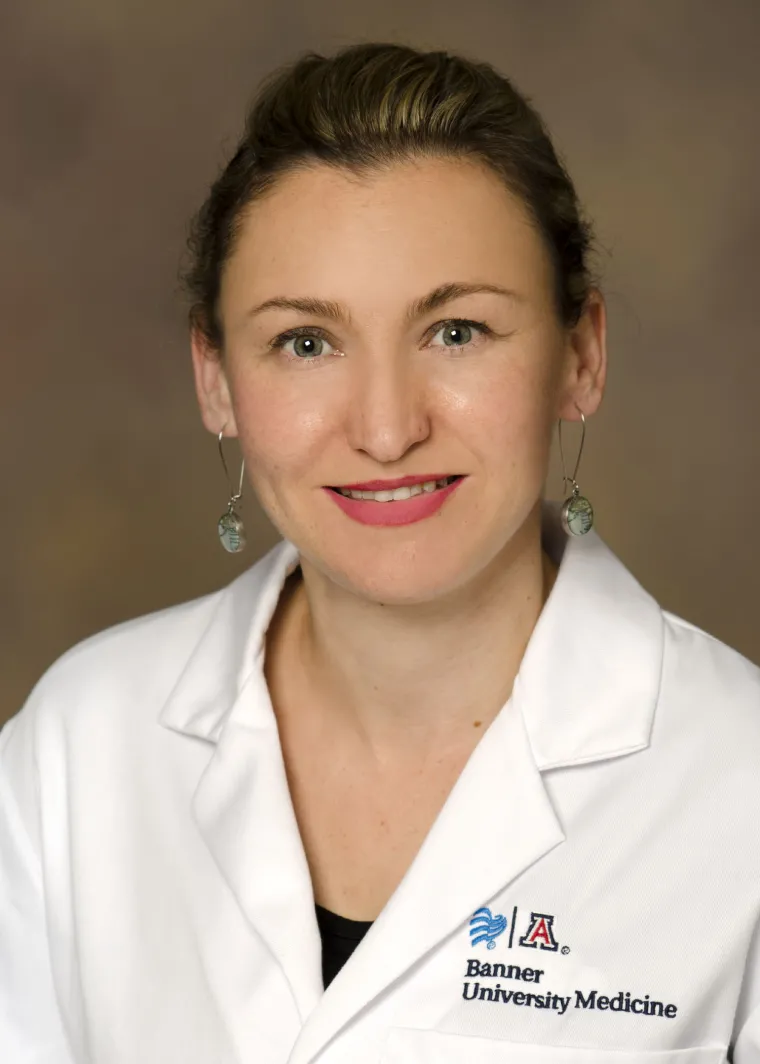
Jaiva B. Larsen, MD

Alaina Martinez, MD
Clinical Specialties

Daniel J. Murphy, MD
Clinical Specialties


Giuliano Scaini, DO
Clinical Specialties
Fellows

Steve Daniel, MD
Clinical Specialties

Arjuna Dharmaraja, MD
Clinical Specialties

Derek C. Jezulin, DO
Clinical Specialties

Heden Presendieu, MD
Clinical Specialties

Class of 2026
Image

Mary Kay Durfee, MD Dr. Durfee is an obstetrician-gynecologist who worked for Fairview Lakes in Wyoming, Minnesota, prior to moving to Tucson almost 20 years ago. Her previous OB-GYN practice, Genesis/Generations, was affiliated with Northwest Medical Center before she became an OB-GYN hospitalist at Tucson Medical Center for the last eight years. Dr. Durfee has witnessed the suffering and medical morbidity of hundreds of women with substance use disorders, and she has been challenged by the difficulty of caring for pregnant patients with SUDs. Dr. Durfee has stepped back from the arduous role of an inpatient OB-GYN hospitalist to focus on patients with SUDs. Dr. Durfee grew up in Madison, Wisconsin, and enjoys her cabin on Silver Lake in the Wautoma area. Her husband, Mark, is a local teacher and coach. Dr. Durfee enjoys cycling with Mark, reading, writing flash fiction and spending time with her family. Her children are grown and live in the Tucson area. |
Image

Kaylin Pennington, MD Dr. Pennington grew up in the San Francisco Bay Area. She has worked in a variety of community-based healthcare settings and served as a chief resident in her final year of residency. Dr. Pennington is interested in low-barrier addiction treatment and integrating evidence-based addiction care into primary care. Outside of work, she enjoys exploring the outdoors and is an avid runner. |
Image

Giuliano G. Scaini, DO Outside of work, Dr. Scaini enjoys playing the bass guitar, eating good food, watching basketball and hockey, and spending time with his wife and their cat, Kiwi. |
Image

Devin M. Smith, MD Dr. Smith is originally from Georgia, where he completed his undergraduate education and medical school before moving to Rhode Island for his residency. He practiced several years at a community emergency department in Portland, Oregon, caring for individuals struggling with substance use. Through clinical practice and personal experience, he came to learn that addiction is a disease of circumstance and biology, not of moral failure. He’s excited to embark on this new journey in Tucson to further his education and hone skills to further help patients and their families. When not working, he enjoys watching horror movies with his wife, spending time with his senior pup, and getting outside to enjoy the beauty of the natural world. |
Class of 2025
Image

Sarthak Garg, MD Dr. Garg was born in India, and after a brief stint in Brazil, grew up in Little Rock, Arkansas. After obtaining his undergraduate and medical degrees at the University of Missouri in Kansas City, he completed family medicine residency at the University of Arizona College of Medicine – Phoenix where he further honed his interests in integrative medicine and underserved care while developing his passion for substance use disorders. In his free time, Dr. Garg enjoys music, cooking, films, traveling and spending quality time with friends. |
Image

Tianzhu (Kimi) Ge, MD Dr. Ge is a recent graduate from the College of Medicine – Tucson Psychiatry Residency Program, where she was a chief resident. She attended University of Washington for her undergraduate program and graduated from Chicago Medical School for her MD. Her professional interests include addiction psychiatry, forensic psychiatry and emergency psychiatry. |
Image

Daniel Murphy, MD Dr. Murphy grew up in Phoenix. He decided to pursue medicine after experiences as a volunteer Spanish interpreter at a sliding-scale fee clinic in Southern Phoenix while attending college. After finishing medical school at Loyola University in Chicago, Dr. Murphy returned to Arizona where he finished his residency training in family medicine at the U of A. Dr. Murphy’s desire to pursue additional expertise in addiction medicine was ultimately the result of myriad experiences over the course of his training. These experiences demonstrated the painfully persistent harm caused to vulnerable communities by frequent lack of access to necessary medical care in areas where care is most needed. He looks forward to the additional training that the Addiction Medicine Fellowship will provide so that he can better serve patients in his community, and work to close these access gaps — even if in a small way — in his future career as a primary care physician. |
Image

Emily Walker, MD Dr. Walker grew up in the Pacific Northwest and earned her BS in biology from Whitworth University before earning her medical degree at Creighton University. She completed her psychiatry residency at the University of Arizona, where she served as chief resident, and currently continues as an addiction medicine fellow. She has received multiple awards across her training including the Frank J. Menolascino Outstanding Student in Psychiatry Award from Creighton University in 2020, the Senior Resident Professionalism Award from University of Arizona in 2024, and the American Psychiatric Association Resident Recognition Award in 2024. Dr. Walker’s professional interests include dual diagnosis treatment, collaborative care modeling, education, and reproductive substance use and mental health treatment. In her free time, she enjoys nature and developing her own recipes in the kitchen. |
Class of 2024
Image

Meghan Burke, DO Dr. Burke is a graduate of the University of Arizona Psychiatry Residency Program in Tucson. She was raised in suburban Chicago and has since lived in various areas of the country for higher education and medical training. During her time as a medical student in Eastern Tennessee, she learned the value of humanistic relationships in medicine, the limitations in rural access to medical care and the importance of approaching health with an adaptable mindset. Through residency, these lessons have developed into a passion for destigmatizing illness through movement away from shame-based treatment and toward collaborative care. Within this mission, her specific interests include health for health care workers, multidisciplinary medicine and addiction medicine. Outside of medicine, Dr. Burke enjoys spending time with her husband and pets, working on their home, gardening and exploring new places. |
Image

Alaina Martinez, MD Dr. Martinez was born and raised in Tucson. She is a proud Wildcat who attended the University of Arizona for undergraduate and medical school. She completed a family medicine residency with Kaiser Permanente in San Diego and has now returned to Tucson for an addiction medicine fellowship with the University of Arizona. Her interest in addiction medicine blossomed in undergraduate school, during which she helped spearhead the U of A Recovery Programming. She has a passion for connecting with her community, serving the underserved and being a curious lifelong learner. She enjoys music, exploring the outdoors, and spending time with her family, friends and 20-year-old cat, Avalanche. |
Image

Michael Sheehy, DO Dr. Sheehy was born in Detroit and attended Michigan State University where he obtained a BS in microbiology and then obtained his DO at MSU College of Osteopathic Medicine. He completed an internship and emergency medicine residency at St. John Oakland Hospital in Madison Heights, Michigan, in 2001. Following residency, Dr. Sheehy practiced EM with the USAF, deploying to the Middle East in support of Operation Enduring Freedom. After an honorable discharge from the USAF, he moved to Kingman, Arizona, to practice EM and run the EM residency program. Over the past seven years he has been a staff EP at Havasu Regional Medical Center and after seeing numerous patients presenting with substance use disorder, decided to complete a fellowship in addiction medicine to expand his skills and knowledge so that he could provide further care to these patients needing further help with SUD. He plans on returning to Kingman after fellowship to provide education in SUD and to develop a bridge program with the ED. Dr. Sheehy and his wife, when not working, spend their time mountain biking in the Southwest. |
Image

Joe Shortall, DO Dr. Shortall is a psychiatrist hailing from Long Beach, California. After graduating with a business degree from Azusa Pacific University, he discovered his passion while providing basic health care to Latin American refugees in the Tucson area. He decided to change his career to medicine and went on to graduate from AT Still School of Osteopathic Medicine in Arizona – Tucson cohort. His most meaningful clinical experiences included getting to know his patients suffering from addictions — the stigma they faced troubled him, and he felt honored to accompany them in their most vulnerable moments. He went on to complete a residency in psychiatry at Cape Fear Valley Medical Center in Fayetteville, North Carolina, but always intended to return to Tucson to specialize in addiction medicine. Dr. Shortall speaks Spanish; his wife is from Sonora and they have a lovely toddler together. Dr. Shortall enjoys baseball, boxing and Fighting Irish football. He has professional interests in psychotherapy, neuroscience, psychopharmacology and severe mental illness. |
Class of 2023
Image

Karen Atencio, MD Karen Atencio is a pain management physician at the New Mexico VA in Albuquerque, New Mexico. She grew up in Indianapolis and attended Indiana University in Bloomington for her undergraduate degree. Dr. Atencio obtained her medical degree and completed an anesthesia residency at Indiana University School of Medicine. She completed a pain medicine fellowship at the University of North Carolina at Chapel Hill, and in 2021 competed an integrative medicine fellowship through the Academy of Integrative Health and Medicine. Dr. Atencio uses a multimodal approach in pain management for the patients with chronic pain, acute on chronic pain, and chronic pain in the setting of an opioid use disorder. In addition to clinical duties, she participates in the training of medicine residents, pain medicine fellows and addiction medicine fellows. In her free time, Dr. Atencio enjoys playing tennis and learning the hula. |
Image

Justin Gause, MD Dr. Gause was born in Louisville, Kentucky, to a nomadic family that eventually settled in Boise, Idaho, where he was raised. He studied biology and health sciences at Boise State University after working as a freelance musician, eventually graduating magna cum laude, and began medical training with the University of Washington School of Medicine with an interest in pursuing family medicine. His time in Seattle further distilled his interest in working with medically underserved, rural, global and marginalized communities particularly in supporting patients with complex socioeconomic backgrounds. This interest led him to his family medicine training with the University of Arizona South Campus Family Medicine Program where his passion for addiction and substance use/abuse treatment further developed. During this time he had the opportunity to work at the Songambele Health Centre in Nkololo, Tanzania, where he coordinated the construction of a neonatal intensive care unit in an effort to improve neonatal mortality rates due to hypothermia, neonatal sepsis and respiratory distress and plans to continue his work abroad. Dr. Gause continues to enjoy music during his personal time, and composed/recorded an original song “Goodnight” as a senior resident project and plans to compile an album of original songs in the near future. Dr. Gause also enjoys reading, philosophy, traveling, painting, cinema and weight lifting. |
Image

Mark Grant, MD Born in Phoenix, Dr. Grant returned to the Southwest after completing medical school at Loyola Chicago. He completed his residency at the University of Arizona South Campus Family Medicine Program where he developed a passion for working with the underserved and homeless. Bilingual in Spanish, he also enjoys working with Spanish-speaking patients. Seeing the impact addiction had on patients in the Tucson community, Dr. Grant pursued a fellowship in addiction medicine to gain the skills that would help him better serve this population. When not working, Dr. Grant enjoys running, swimming, exploring the mountains around Tucson, and being a father and husband. |
Image

Muhammad Qasim Maqbool, MBBS Dr. Maqbool received his medical degree from King Edward Medical College, Pakistan, in 2006. He completed his family medicine residency in 2013 from University of Oklahoma at Tulsa and received a Family Medicine Award for Scholarship and the 2013 Resident Teacher Award. He had been working as a hospitalist since completing his residency and served as a faculty member for the University of Oklahoma Family Medicine program while also serving on the quality improvement committee. He enjoys hiking, table tennis, cricket and soccer. |
Class of 2022
Image

Chris Dixon, DO Dr. Dixon was born and raised in Tucson. He graduated from the University of Arizona in 2001 with a Bachelor of Science in psychology and subsequently received his Doctor of Osteopathic Medicine degree from Midwestern-AZCOM in Glendale, Arizona, in 2006. He completed his family medicine residency with Clarkson Family Medicine in Omaha, Nebraska, in 2009. From residency graduation in 2009 until starting addiction medicine fellowship training in 2021, he has worked as a family medicine physician at the El Rio Community Health Center in Tucson, providing outpatient primary care in the clinic setting as well as inpatient care for El Rio patients hospitalized at St. Mary’s Hospital. He loves working with medical students and served as a regional director of medical education for ATSU-SOMA from 2014-2021. Dr. Dixon is fluent in Spanish and has traveled to Guatemala for medical mission trips with the DOCARE International organization in 2018, 2019 and 2020. Dr. Dixon and his wife are the proud parents of five children. When not spending time with his family or seeing patients, Dr. Dixon also enjoys basketball, golf, guitar and reading. |
Image

Alicia Hidalgo, MD Dr. Hidalgo received her medical degree from the University of New Mexico in Albuquerque, where she was born and raised. Upon completion of medical school, she moved to Portland, Oregon, to complete her residency in internal medicine. Following her residency, she served as chief resident and subsequently worked as a hospitalist where she discovered her interest in and passion for treatment of patients with substance use disorder. She then returned to the Southwest to continue her education at the University of Arizona Addiction Medicine Fellowship. When not working, Dr. Hidalgo spends time with her family and enjoys a variety of outdoor activities, running and traveling. |
Image

Lindsey Retterath, MD A Midwestern native, Dr. Retterath received her medical degree from Michigan State University College of Human Medicine in 2015, and then completed the combined Emergency Medicine and Pediatrics Residency Program at University of Arizona. She continues to work as an emergency physician in Tucson and began as an addiction medicine fellow in 2020. Her special interests include management of substance use disorders in the emergency department and adolescent addiction medicine. Her undergraduate background is in sociology and Spanish. Prior to going into medicine, she did work in the nonprofit sector and has maintained an active interest in social determinants of health, public health and health policy. She loves working with a variety of patient populations in Tucson. In her free time, you’ll likely find her on a hiking trail or climbing crag somewhere in Southern Arizona. |
Image

Spencer Roberts, DO Dr. Roberts is the son of a career Air Force officer and spent his childhood moving around and experiencing almost every part of the country (he has been to every state except Alaska). Prior to becoming a physician, Dr. Roberts served in the Air Force himself as a linguist. His experiences in the military sparked an interest in mental health and addiction. He is a graduate of the Arizona College of Osteopathic Medicine and completed residency in psychiatry in Aurora, Colorado, where he also served as chief resident. |
Class of 2021
Image

Michelle O’Brien, DO Dr. O’Brien received her medical degree from Western University of Health Sciences, Oregon, in 2015 and did one year of internal medicine at the Wright Center in Scranton, Pennsylvania, before transitioning to psychiatry. She received her undergraduate degree from Grinnell College, Iowa, in 2011 with a BA in biology. She has had an interest in medicine for quite some time but was initially drawn to med/psych and continues to thrive on a holistic approach to health care. Her interests in psychiatry are varied including addiction, forensics, and inpatient or outpatient adult. Dr. O’Brien graduated from the University of Arizona Psychiatry Residency Program in 2020, and from the University of Arizona Psychiatry Addiction Medicine Fellowship in 2021. As of summer 2022, Dr. O’Brien is the chief psychiatrist at Pima County Adult Detention Center. |
Image

Jamie Weinand, MD Dr. Weinand obtained his medical degree from Boston University School of Medicine in 2017. He received his BS in biology and a BA in Spanish from Duke University in 2012. Following his undergraduate graduation, Dr. Weinand completed a Fulbright scholarship in Mexico City in 2013. Professionally his interests include addiction medicine and LGBT health care. He is a Tucson native and graduated from Salpointe Catholic High School in 2008 and is thrilled to be back home. Outside of work he enjoys hiking, learning languages and reading. Dr. Weinand graduated from the Southern New Mexico Family Medicine Residency Program in 2020, and from the University of Arizona Psychiatry Addiction Medicine Fellowship in 2021. As of summer 2021, Dr. Weinand is working in FQHC, primary care, addiction medicine HIV/AIDS and PrEP/PEP care. |
Class of 2020
Image

Edward Ramsey, MD Dr. Ramsey obtained his medical degree from the University of Texas Medical School at Houston and then served six years as a military physician in the United States Army. After his military commitment, Dr. Ramsey returned to UT-Houston to complete his anesthesiology residency. His experience as an anesthesiologist and in interventional pain led to his discovery of addiction medicine. Dr. Ramsey works in Houston at Contemporary Medicine and Associates, a private practice that specializes in the diagnosis and treatment of substance use disorders. |
Elisa Gumm, DO, FASAM
Clinical Specialties
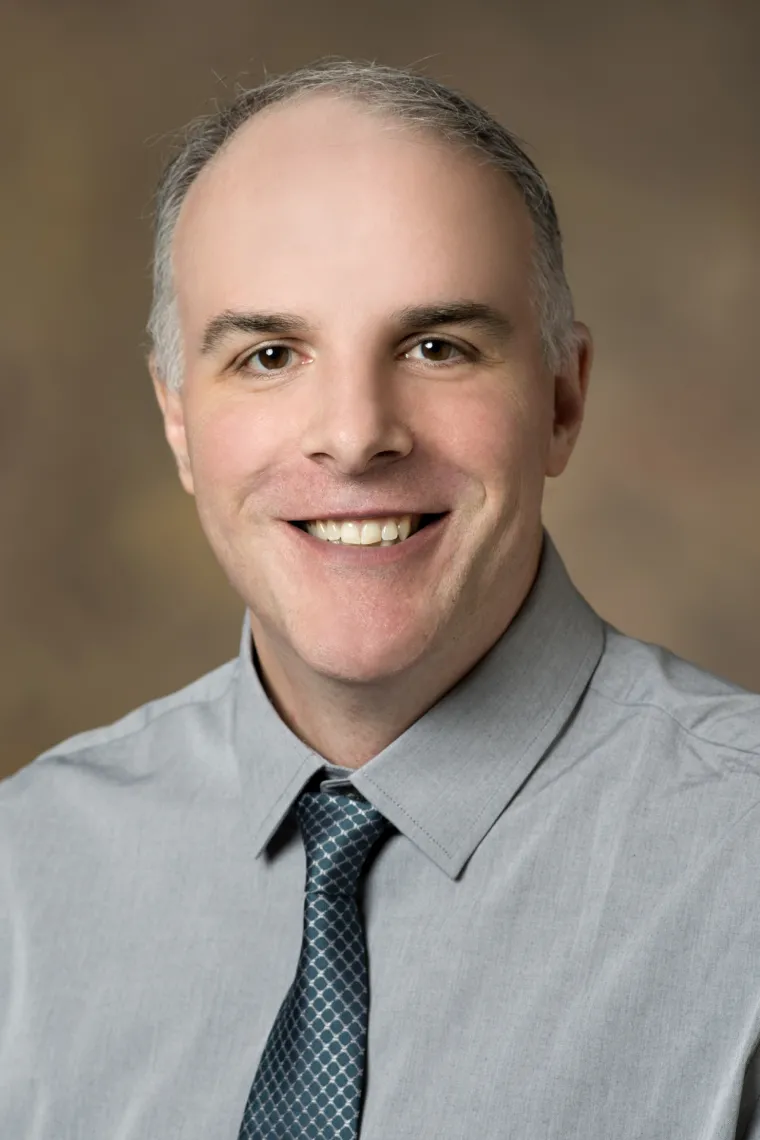
Steven Schaefer, MA
Banner – University Medical Center South
Department of Psychiatry, Behavioral Health Pavilion
Addiction Medicine Fellowship
Attn: Steve Schaefer, 2nd Floor
2800 E. Ajo Way
Tucson, AZ 85713
The Child and Adolescent Psychiatry Fellowship is committed to training psychiatrists in providing compassionate, ethical and evidence-based care to prevent, diagnose and treat mental health conditions affecting children, adolescents and their families.

Fellows are educated in neuroscience, human development, psychopharmacology, psychotherapy and foundational health principles. We believe in an evidence-based integrated approach to care, with holistic evaluation and intervention, founded in an informed understanding of everyone’s unique context including biological, psychological, social, cultural and spiritual influences.
Our program serves the greater Southern Arizona region, which includes both rural and urban settings, a large Hispanic population, and Native American tribal members. We are completely invested in community acceptance in all manners when recruiting trainees and staff in our department, in serving our patient populations, and in providing comprehensive and informed treatment interventions.
To develop scholarship and critical thinking, interdisciplinary conferences and research mentorship are provided. Approximately one-half of the clinical experiences are on-site in an outpatient setting. Inpatient, community and affiliated discipline experiences are led by community-based faculty who are committed to our fellows’ learning.
The Department of Psychiatry participates in the Electronic Residency Application Service (ERAS), a service of the Association of American Medical Colleges (AAMC). For ERAS, our ACGME Program ID is 400-03-21-142. Potential applicants will complete an application for the fellowship training program through ERAS, using the information provided above.
As required by the National Residency Matching Program (NRMP) and the Accreditation Council for Graduate Medical Education (ACGME), the following information is available to you on the University of Arizona College of Medicine – Tucson Graduate Medical Education Office webpage and applies to all ACGME-accredited residencies and fellowships at the U of A. By continuing your candidacy in our selection process, you confirm that you have reviewed these documents and you further acknowledge that you meet all requirements for participation in the U of A residency or fellowship program(s) in which you have applied:
- Example of employment agreement
- Stipends
- Benefits
- Professional liability coverage
- Disability insurance
- Health insurance
- Vacation and leaves of absence policy
- Eligibility and appointment policy
- Expected or required academic, educational or prior training credentials
- Pre-employment drug testing and background check

A completed application must include:
- The completed application form
- A dean’s letter
- The applicant’s official medical school transcript
- A letter from the applicant’s current program director
- At least two (2) current letters of recommendation from the applicant’s current training program
- A current curriculum vitae
- A personal statement indicating the applicant’s interest in child and adolescent psychiatry training, career goals in child and adolescent psychiatry, and interest in training at the University of Arizona
- Documentation of visa status for international graduates
- Documentation of ECFMG certification, when applicable
- Verification of clinical skills by indicating the number of completed clinical skills evaluations (CSEs) at the time of submission of the application
- For applicants transferring from another program, documentation must be obtained from the prior training director that demonstrates adequate performance in the core competencies, adequate educational and clinical experiences and consistently demonstrates professional integrity. In addition, ACGME requires applicants only be accepted to fellowship positions who have sufficient command of the English language to permit accurate and unimpeded communication.
- Interviews will be scheduled on a first-come, first-serve basis. Applicant interviews will be completed on-site, unless other arrangements have been made, or in unusual or unanticipated circumstances.
Information for Foreign Medical Graduates

International medical graduates are welcome to apply to the program. International medical graduates must be certified by the Educational Commission for Foreign Medical Graduates (ECFMG) located at 3624 Market St., Philadelphia, PA 19104-2685, Phone: 215-386-5900.
The program reviews all applications and selects the most qualified candidates for an interview. The program receives more qualified applicants than can be interviewed. Various factors affect the decision to interview a candidate, such as clinical experience and interest in psychiatry, medical school performance, USMLE scores and letters of recommendation. We will consider applicants with a J1 visa. We offer a select few number of observerships.
To be considered for an interview, please note the following requirements:
- Must have completed psychiatry residency in the United States.
- Must have an excellent proficiency in both written and spoken English.
The application deadline is October 1. Interviews are held September-November.

Banner – University Medical Centers
- Banner – University Medical Center South
- Banner – University Medical Center Tucson
- Crisis Response Center (CRC)
Community & Governmental Sites
Our People
Faculty with expertise in a broad range of psychotherapeutic skills equip trainees to provide an optimal and well-rounded psychiatric practice upon graduation.
Program Director
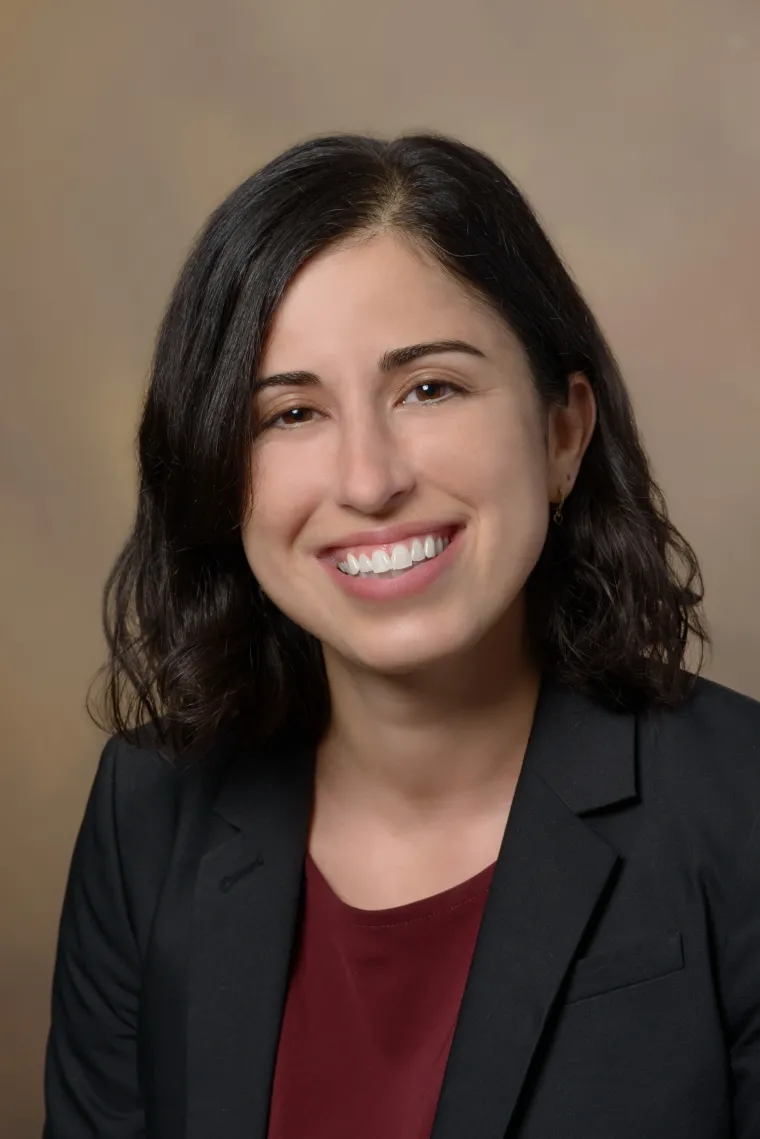
Jacquelin Esque, MD
Clinical Specialties
Fellowship Faculty
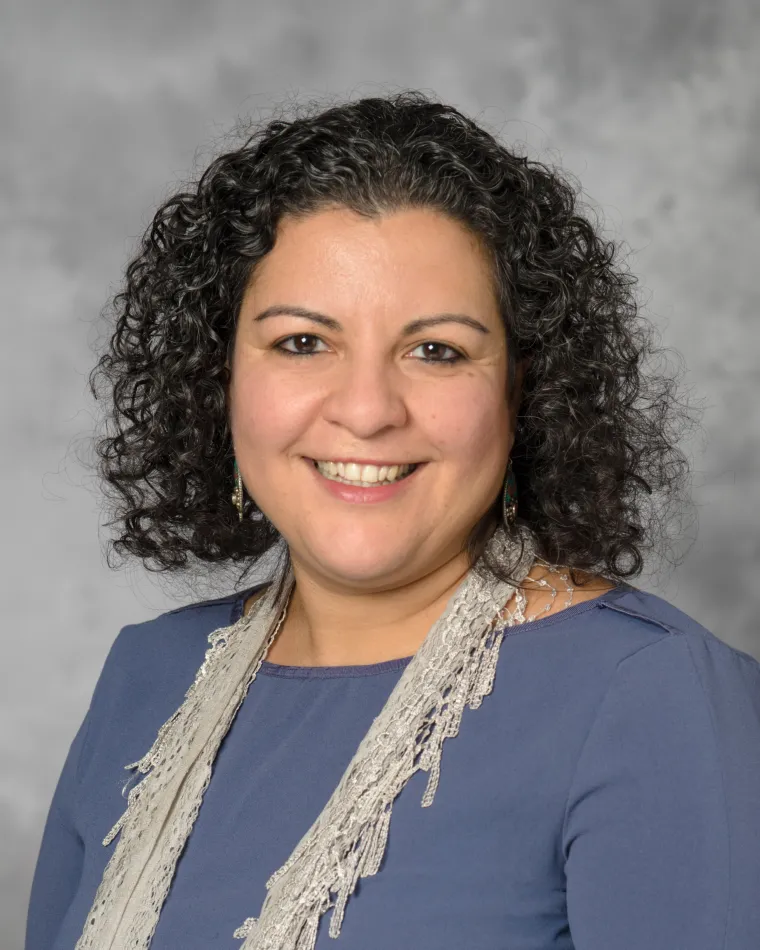
Noshene E. Ranjbar, MD, DFAPA, DFAACAP, ABOIM
Clinical Specialties
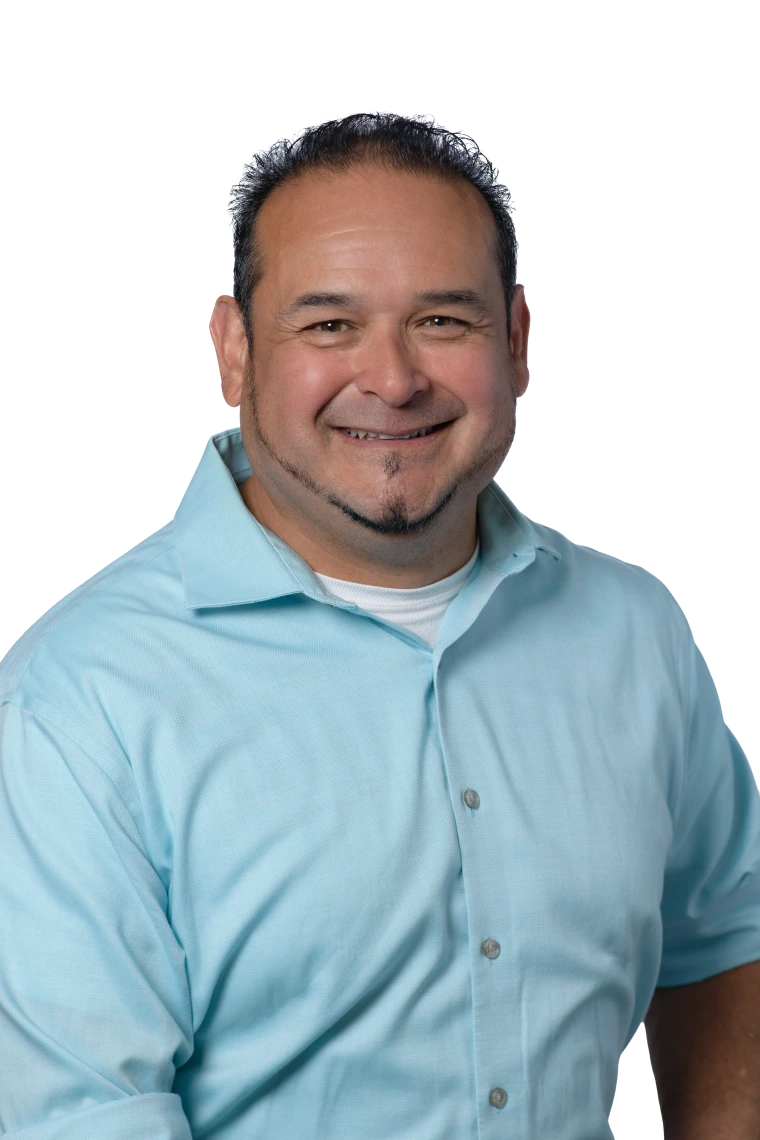
Andrew W. Gardner, PhD, BCBA-D

Joanna Katsanis, PhD
Clinical Specialties
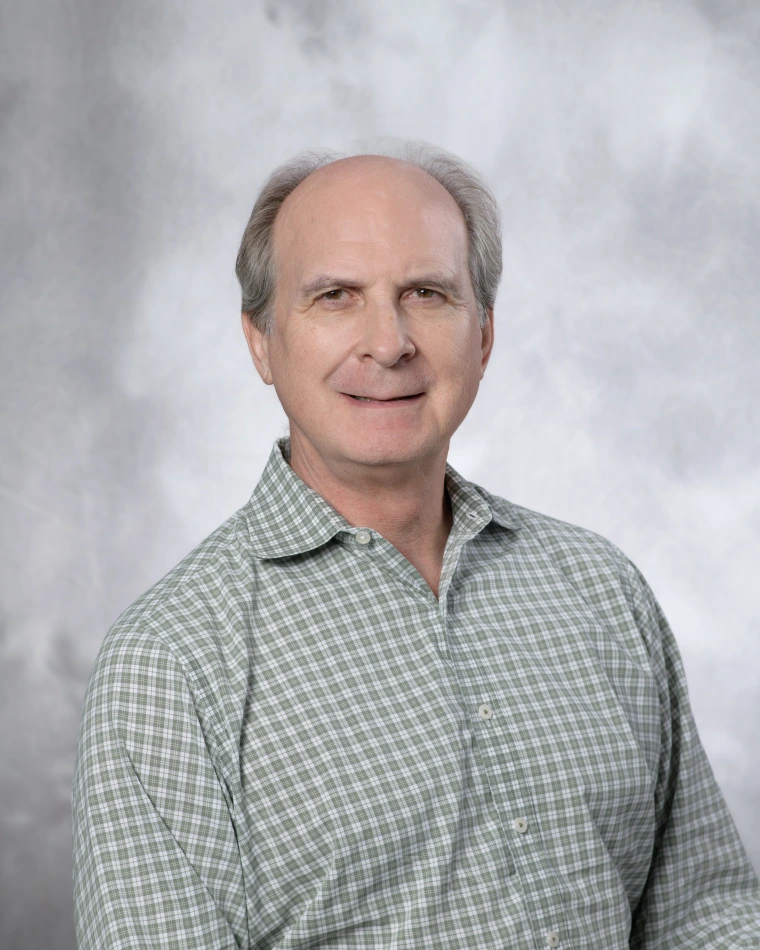
Peter C. Kowalski, MD
Clinical Specialties
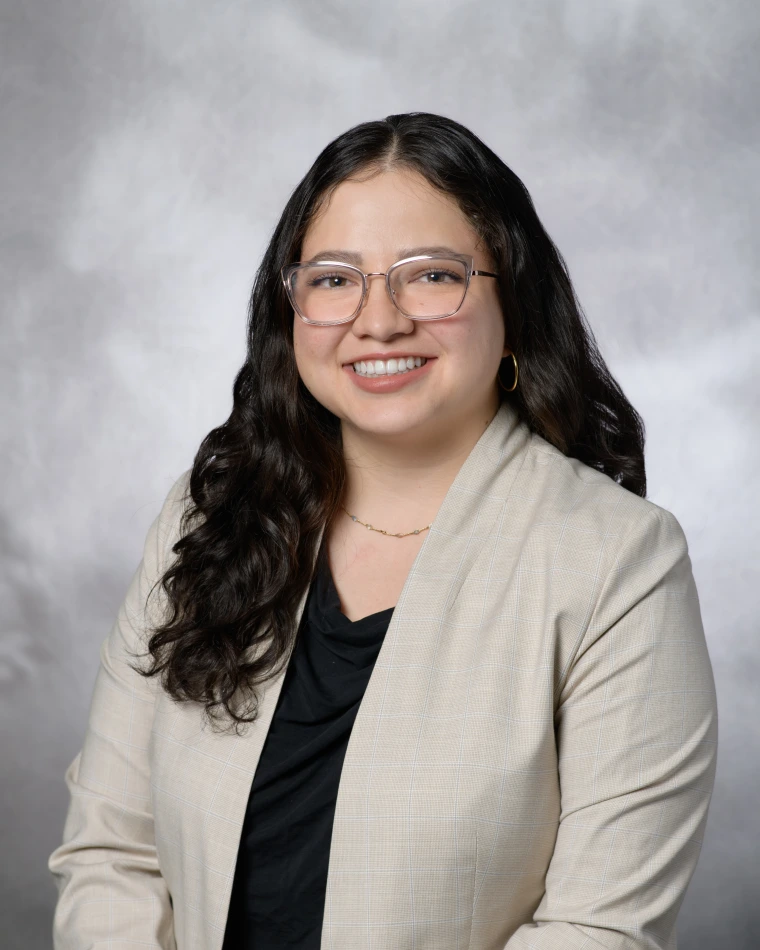
Natalie Lárez, PhD
Clinical Specialties

Andrea L. McFerren, DO
Clinical Specialties
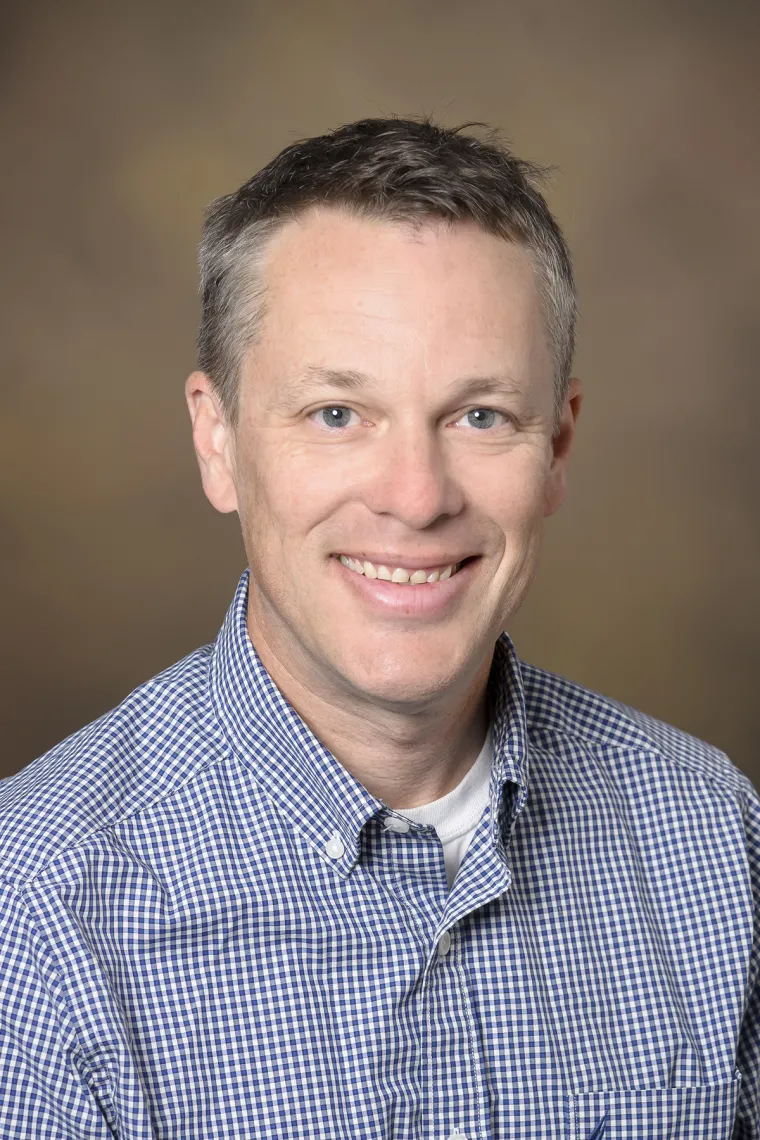
Chad McWhinnie, PhD
Clinical Specialties
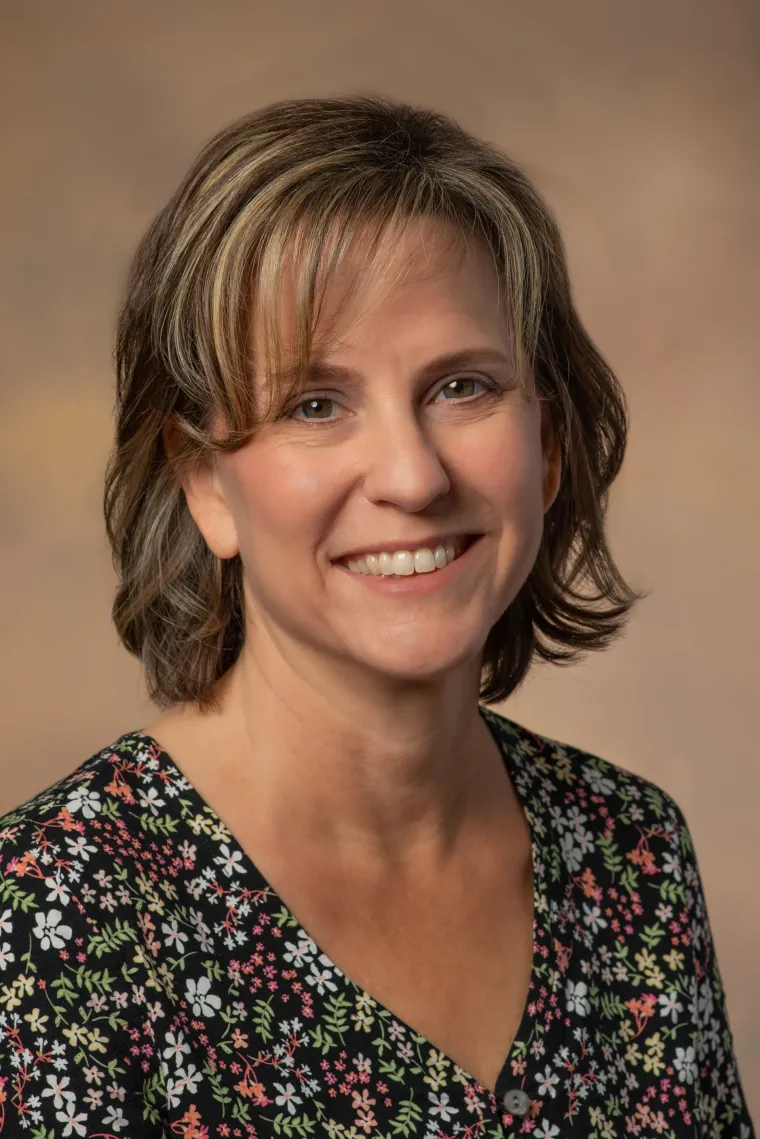
Kathy W. Smith, MD
Clinical Specialties
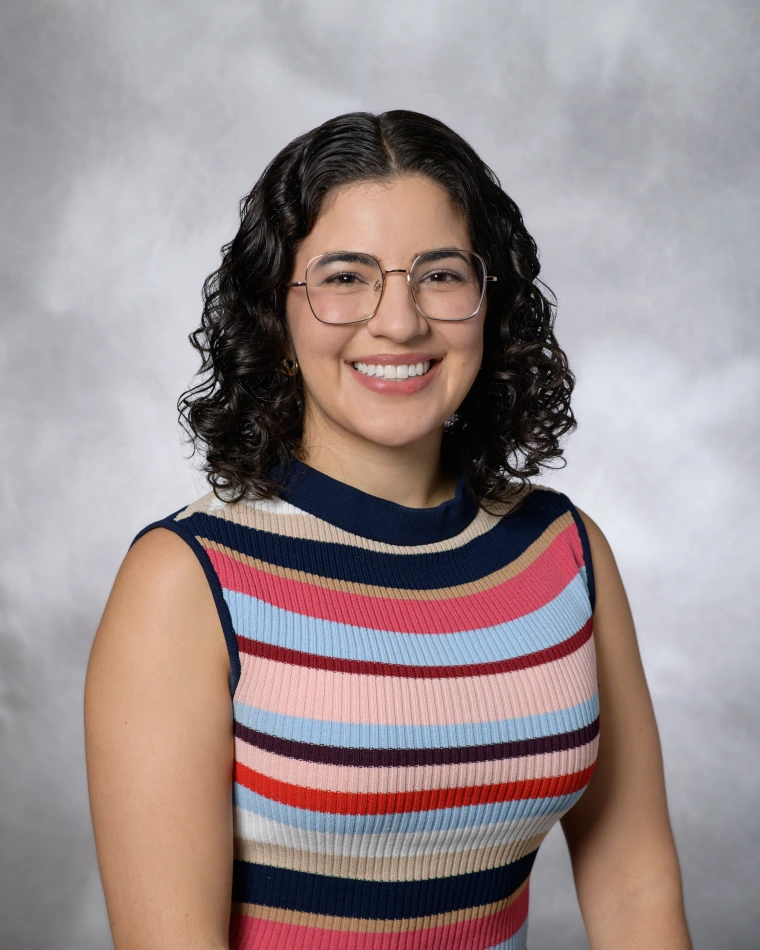
Catalina Uribe Rini, PsyD, BCBA
Clinical Specialties
Jacquelin Esque, MD
Clinical Specialties
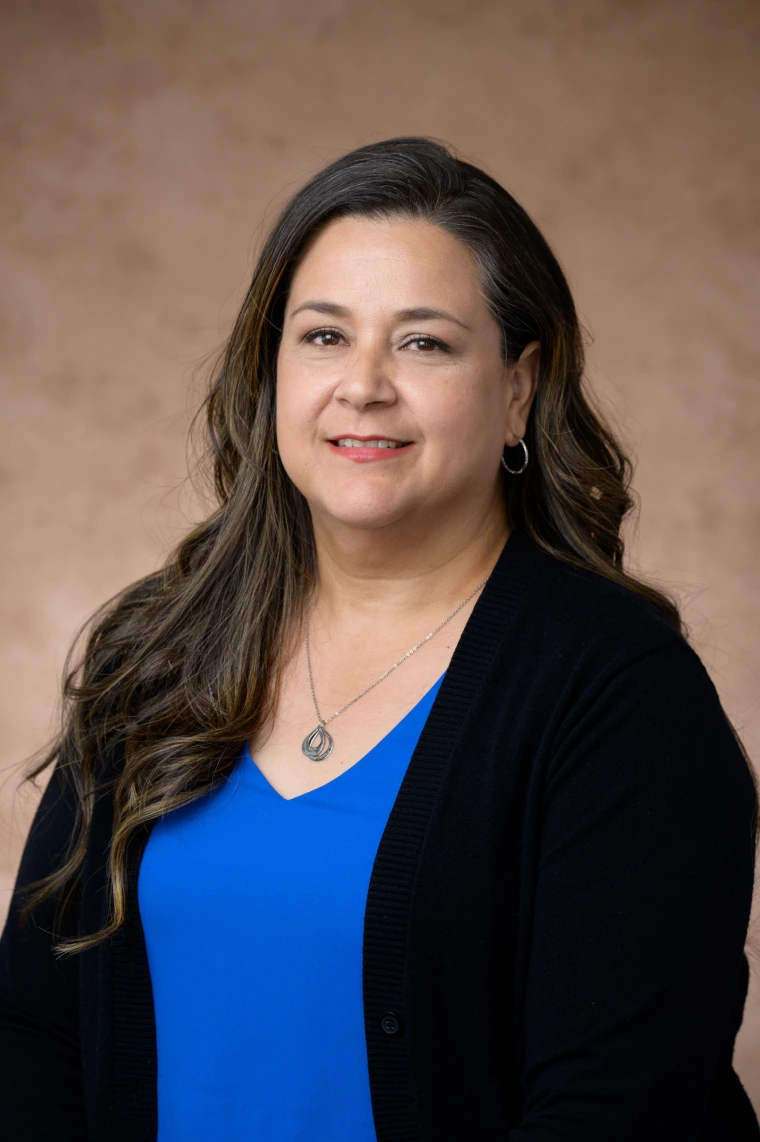
Banner – University Medical Center South
Department of Psychiatry, Behavioral Health Pavilion
Child & Adolescent Psychiatry Fellowship
Attn: Yesenia Rios, 2nd Floor
2800 E. Ajo Way
Tucson, AZ 85713

Geriatric psychiatry is an exciting subspecialty field that intersects the disciplines of neurology, geriatrics and psychiatry.
Trained geriatric psychiatrists practice in many settings where older patients are seen, including acute care hospitals, nursing and post-acute care facilities, outpatient offices, and geriatric or neurology clinics. They may also practice in dementia care or Alzheimer’s clinics.
The University of Arizona Geriatric Psychiatry Fellowship Program is a ACGME-accredited, one-year intensive training experience that prepares fellows to become board-certified geriatric psychiatrists. We accept two fellows per year. The fellows will have outpatient continuity clinics at the SAVAHCS site, at the Banner University outpatient clinic and at a community health center. They will rotate through the inpatient geropsychiatry units at SAVAHCS and Banner, as well as doing medical hospital consultations and ECT treatment at SAVAHCS. They will rotate on the hospice/palliative unit and the outpatient geriatric evaluation clinic, and see patients at a local long-term care nursing home. In addition, they will have a one-year experience working in the prestigious Banner Alzheimer’s Institute in Tucson.
Our program is dedicated to meeting our community’s unique needs, and candidates who are interested in serving high-need and high-demand areas are encouraged to apply.
The University of Arizona College of Medicine – Tucson Geropsychiatry Fellowship Program is a one-year, full-time, fully accredited training program offered by University of Arizona Department of Psychiatry in conjunction with the Southern Arizona VA Health Care System in Tucson.
This program offers a variety of rich clinical experiences in two large health care systems, plus a robust and comprehensive didactic curriculum.

Photo by Jamie Manser
The geriatric psychiatry fellow will see and evaluate older patients with delirium, depression or other acute psychiatric emergencies on the medical surgical floors of the hospital and provide skilled guidance in their management to the hospitalist team. The geriatric psychiatry fellow will learn the assessment and recognition of a variety of neuropsychiatric conditions in the hospital as well as in the outpatient setting. Fellows will have a panel of outpatients in three settings as well as experience with specialized inpatient geropsychiatry units. Fellows will have experience in long-term care and geriatric medicine in a specialized dementia treatment center. This will prepare the graduates for a variety of careers in geriatric psychiatry. They will also develop experience in the clinical assessment of decisional capacity, diagnosis and management of dementing disorders, and legal issues of abuse, neglect and need for guardianship. Fellows will also be active participants in the teaching programs of the Department of Psychiatry for residents, medical students and allied professionals. They will partake in the didactic curriculum and will also be guided in an independent study project.

The experiences and lectures of this program are designed to provide fellows with the knowledge to practice in vitally important geriatric conditions, such as:
- Diagnosis and management of dementing disorders
- Diagnosis and management of acute delirium
- Hospital consultations to medicine and surgery units
- Emergency evaluation of older adults
- Management of mood, anxiety, substance use and psychotic disorders in older adults
- Understanding medical issues in aging and the contribution of those issues to psychiatric care
- Working in consultation with primary and long-term care providers
- Understanding role of neuroimaging and laboratory testing in assessment and treatment
- Understanding approach to end-of-life issues and palliative care
- Evaluating decisional capacity, testifying in competency hearings, assessing for elder abuse
- Using ECT as a treatment methodology
- Age-specific approach to psychopharmacology

As required by the the Accreditation Council for Graduate Medical Education (ACGME), the following information is available to you on the University of Arizona College of Medicine – Tucson Graduate Medical Education Office webpage and applies to all ACGME-accredited residencies and fellowships at the College of Medicine – Tucson. By continuing your candidacy in our selection process, you confirm that you have reviewed these documents and you further acknowledge that you meet all requirements for participation in the residency or fellowship program(s) in which you have applied:
- Example of employment agreement
- Stipends
- Benefits
- Professional liability coverage
- Disability insurance
- Health insurance
- Vacation and leaves of absence policy
- Eligibility and appointment policy
- Expected or required academic, educational or prior training credentials
- Pre-employment drug testing and background check
- Information relevant to licensure status or visa status
We gladly accept candidates with J1 visas for fellowship training. Additionally, the Tucson area offers multiple opportunities for J1 waivers for fellows interested in staying in Southern Arizona after fellowship training.
Application Requirements
- Application form (this is the first step while you gather supporting materials)
- Adult Psychiatry Residency Program Certificate
- A dean’s letter (MSPE)
- The applicant’s official medical school transcript
- Medical school diploma (and translation if applicable)
- At least three (3) current letters of recommendation from the applicant’s current training program
- A letter of recommendation from your current program director stating that you are currently meeting all the requirements of residency and are scheduled to complete residency on time OR a summative letter signed by your residency program director stating that you have successfully completed residency.
- A current curriculum vitae
- USMLE/COMLEX scores
- A personal statement indicating the applicant’s interest in geriatric psychiatry training, career goals in geriatric psychiatry and interest in training at the University of Arizona
- Documentation of visa status for international graduates
- Documentation of ECFMG certification, when applicable
- Must be able to meet background checks and drug tests required by participating sites
- Email application form (provided below) and required documents to Steve Schaefer at sreschaefer@psychiatry.arizona.edu.
Our program offers unique and comprehensive training opportunities in:
- Working with inpatient and outpatient populations
- Long-term care
- Nursing home care
- Hospice/palliative care
Southern Arizona VA Health Care System
The SAVAHCS is a large multi-site system of primary and specialty health care that provides services to eligible veterans who live in a large geographic area of Southern Arizona, and to those veterans who may be traveling through this area from their homes in other states. The system is anchored by a large medical-surgical hospital in Tucson, which provides emergency, intensive and specialty care settings. A large rehabilitation and post-acute care service is also attached to the acute care hospital. There is a regional center for rehabilitation and training of veterans with blindness or low vision. There is also a hospice/palliative unit as well as an acute inpatient psychiatry ward. This hospital also provides a level II geropsychiatry unit for the treatment of veterans with dementia and behavioral/psychological complications. At the same site are multiple outpatient and specialty care clinics, including a geriatric primary care team and outpatient mental health clinic. There is an active inpatient detoxification unit as well as 28-day residential programs for rehabilitation of substance use disorders. In addition, an on-site residential rehabilitation program for PTSD is in operation. At this site, fellows will have outpatient clinic time where they will manage patients with a variety of geriatric mental health issues.
Banner – University Medical Center South
The Inpatient Geropsychiatry Unit is an 18-bed, acute care geriatric psychiatry service that accepts older adults with a wide range of presenting problems, some of whom are admitted involuntarily due to danger to self/others. Other patients are admitted with depression/suicidal ideation, bipolar disorders, substance use disorders and psychotic disorders. Fellows will see the more acute presentations of older patients and gain experience in the medical/psychiatric management of these common problems. Two half-days per week.
The Outpatient Adult Psychiatry Clinic provides comprehensive mental health services such as consultations, evaluations and treatments. Fellows will spend one half-day per week seeing outpatients over age 65 with a variety of mental health and cognitive issues. They will gain experience in the geriatric psychiatry evaluation of patients from diverse backgrounds and with economic and social challenges. Fellows will gain experience in office evaluation of mood, psychotic and cognitive disorders and will learn the ability to access community resources for needed assessment and treatment. Under the supervision of a fellowship-trained geriatric psychiatrist, they will provide somatic and psychotherapeutic treatments for a variety of disorders seen in the older adult. Fellows will acquire knowledge regarding psychotropic medication prescribing to older adults and be aware of risks/benefits of medications including pharmacokinetic and pharmacodynamic differences in the older adult. Fellows will work with families and caregivers to ensure that the patient is in the right residential setting and will be sensitive to issues around self-determination. Fellows will be sensitive to individual differences that may inform response to care and will deliver treatment in a thoughtful manner. Fellows will understand how elderly patients will present in crisis and be able to assess if the patient requires inpatient care.
Banner Alzheimer’s Institute

Founded in 2006 by Banner Health, one of the country’s largest nonprofit health care systems, the Banner Alzheimer’s Institute is a collaboration with the University of Arizona Health Sciences researchers and the physicians at Banner – University Medicine. The center offers a comprehensive range of services for affected patients and families, conducts revolutionary studies in the detection, treatment and prevention of Alzheimer’s and works to set a national standard of patient and family care while forging scientific collaborations that bring together institutions and disciplines internationally. The Toole Family Memory Center is a part of the Banner Alzheimer’s Institute, an international leader in the fight against Alzheimer’s disease and related dementias.
El Rio Health Cherrybell Geropsychiatry Clinic

El Rio Health, one of the most innovative, highly regarded nonprofit health centers in the United States, provides patients with integrated comprehensive quality of care and currently provides health care to over 125,000 people. Fellows will spend one half-day per week assessing outpatients at a large community health center. They will provide initial evaluation and diagnostic screening for a group of older adults who have been referred for outpatient mental health care. Under the guidance of a fellowship-trained geriatric psychiatrist, fellows will provide geriatric psychiatry interviews and assessments and will acquire skill in diagnostic interviewing of the older adult and be able to provide cognitive screening, assessment for mood and psychotic disorders, and initiate an outpatient treatment plan. Fellows will work with families and other caregivers in a high-need setting, and will gain knowledge of a variety of community resources while providing compassionate care and be fully aware of past traumas and individual differences that may change the recommendations for care. Fellows will appreciate the strengths and challenges of the community that they serve and will provide all care in an ethically appropriate manner.
Good Samaritan Society-Quiburi Mission

The Good Samaritan Society-Quiburi Mission offers around-the-clock care that supports residents and meets their needs of long-term care, including rehabilitation therapy or skilled nursing care. Fellows will work with the primary providers, gaining experience in managing end-of-life issues, assisting the primary teams with resident behavioral/emotional issues, and learning long-term care regulations and principles of nonpharmacological management of behavioral issues. Fellows will also gain understanding of the psychosocial issues inherent in congregate living, how the environment can be a powerful factor in the emotional well-being of the facility residents, and knowledge in working with a multidisciplinary team in a long-term care setting, which will develop a deeper understanding of the goals/objectives/regulations and challenges in this industry.
For full and up-to-date information on benefits, please visit Housestaff Benefits Overview (BUMG).
- PGY-5 Salary
- 20 vacation days with 10 wellness days (5 sick days, 5 CME days)
- Academic fund, allowing fellows to purchase additional books, training, conference registration, travel, etc.
- Books
- Board prep materials
- No overnight call
- Research option available
- Moonlighting supported
- Health insurance
For didactics, fellows will be involved in:
- Comprehensive lecture schedule delivered by experienced faculty
- Journal Club, research project
Do fellows take call?
There is no call requirement for fellows.
How many fellows do you take each year?
This fellowship is approved to take two fellows each year.
What is your timeline for applications and interviews?
Applications are accepted any time. Interviews are generally offered beginning in October until all positions have been filled for that year.
Do fellows get teaching experience?
Yes, fellows will be expected to assist in lecturing and teaching psychiatry residents and medical students.
Is there a research requirement?
Not at this time, but fellows will be expected to complete a guided literature review on a chosen subject.
Is this program accredited?
Yes, this program is accredited through ACGME.
How long is the fellowship?
The fellowship is one year.
Do you pay for fellows to attend the AAGP conference?
Yes.
What does the schedule look like?
Fellows spend one day/week consulting at a local long-term care facility. Fellows spend one half-day/week in didactic programs. For six months in the fellowship year, fellows spend the remainder of the week either at SAVAHCS or Banner – UMC South rotating through inpatient and outpatient services. After six months, each fellow will switch to the other clinical site.
What are your salary and benefits?
Click here for salary and benefits information.

Obtaining a graduate certificate in addition to your fellowship training will set you apart from the majority of other applicants and will allow you to apply to more competitive positions following fellowship. This additional education will make you more competitive for leadership positions in sought-after labor markets.
Additionally, you will be empowered to more effectively manage administrative issues and public health challenges that will occur as you reach positions of leadership during your career. As compared to a master’s or doctorate, the time commitment is limited and many of the credits obtained during the graduate certificate may be counted toward a future master’s degree.
If a fellow is selected to complete a certificate program, the department will award them a one-time $1,000 stipend to honor this achievement and help defray the costs.
Available Programs
- Online Graduate Certificate in Healthcare Administration (15 credits)
- Online Graduate Certificate in Public Health (15 credits)
Details
- Pursuing an online graduate certificate is completely voluntary and pursued through the University of Arizona. The University of Arizona Geriatric Psychiatry Fellowship is not administratively responsible for the online graduate certificate.
- Fellows would complete training online at their own discretion outside of standard working hours.
- Participation is exterior to the clinical fellowship and no official time, unless expressly given by the fellowship director, should be dedicated to obtaining this graduate certificate.
Anticipated Cost
Varies based on fellow choice and personal circumstances, cost is between $8,000 and $10,000 using the University of Arizona Tuition Cost Estimator.
Funding Sources
- Fellows may apply for the Dean’s Scholarship (max award $5,000 per semester for max award of $10,000) once they have begun work at Banner – University Medical Center as a geriatric psychiatry fellow (employment is a condition of scholarship eligibility).
- Additional scholarships are available through the University of Arizona Scholarship Universe.
- Moonlighting options are available at Banner – UMC, Sierra Tucson, Palo Verde, Sonora, CRC or at one of the assisted living facilities (there are lucrative opportunities, which all require an unrestrictive state license and malpractice coverage). Must be in good academic standing with the program to moonlight.
- Personal or student loans.
- If a fellow is selected to complete a certificate program, the department will award them a one-time $1,000 stipend to help defray costs.
Our People
Program Director
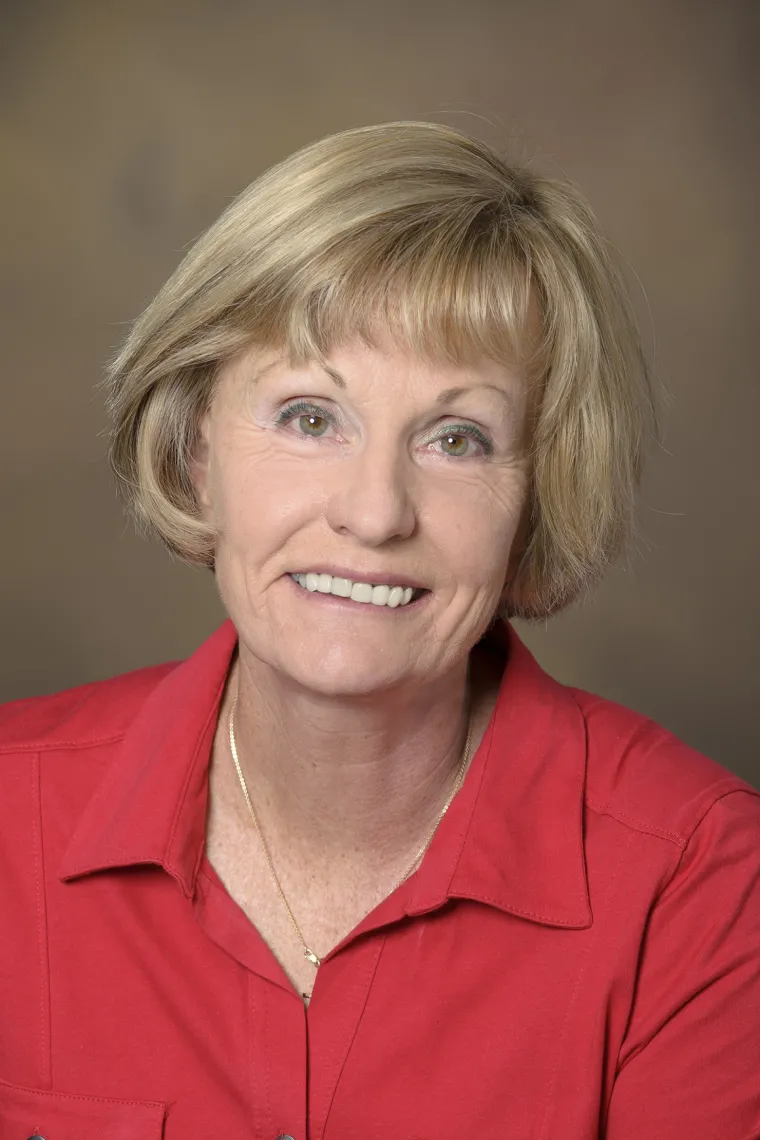
Marianne Klugheit, MD
Clinical Specialties
Associate Program Director

Matthew Erisman, MD
Clinical Specialties
Fellowship Faculty
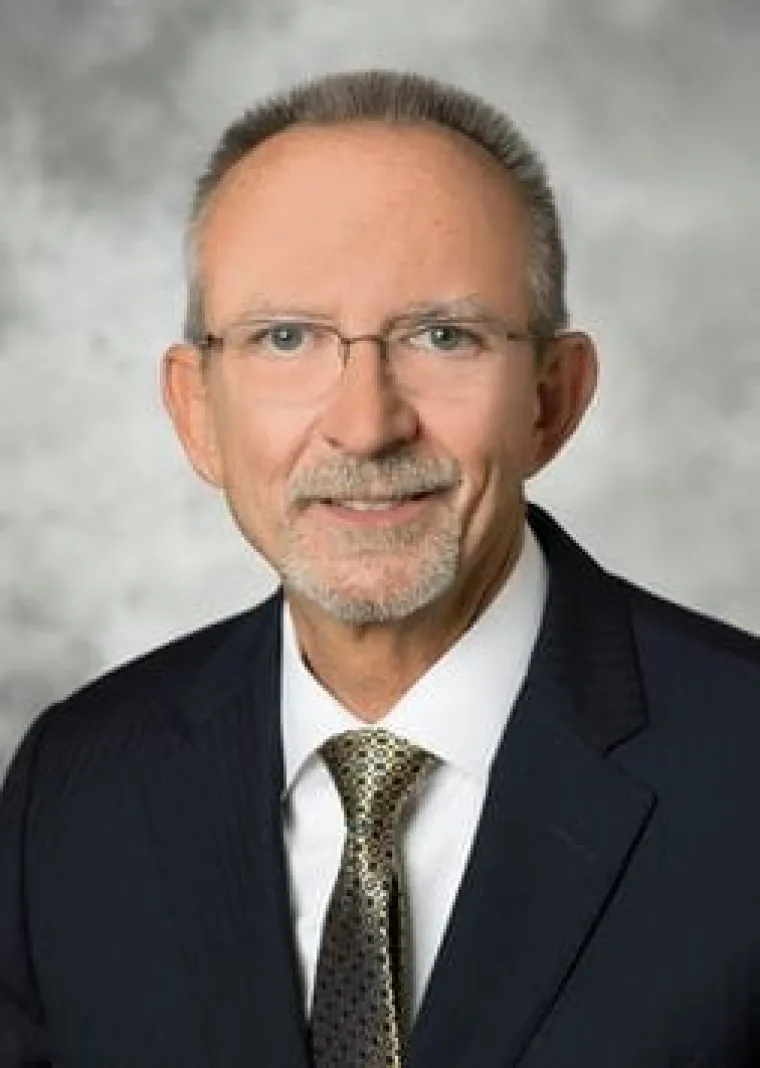
Allan Anderson, MD, MMM, DLFAPA, DFAAGP
Clinical Specialties
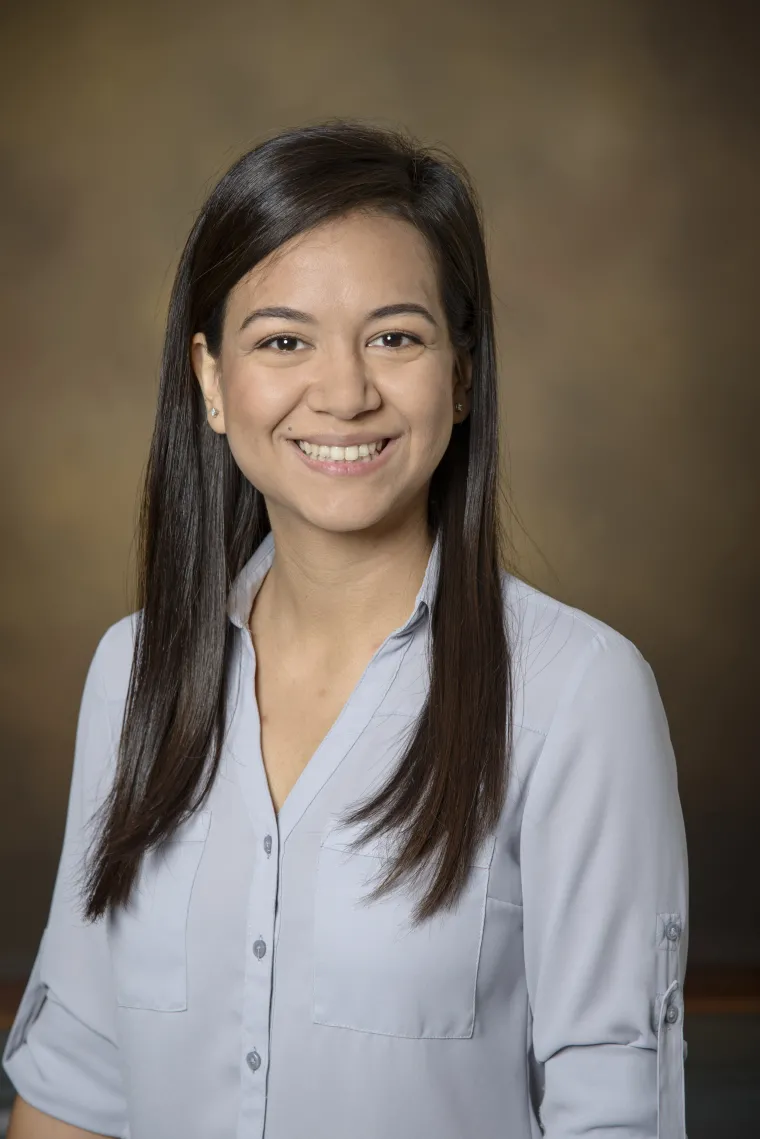
Adiel Carlo, MD
Clinical Specialties
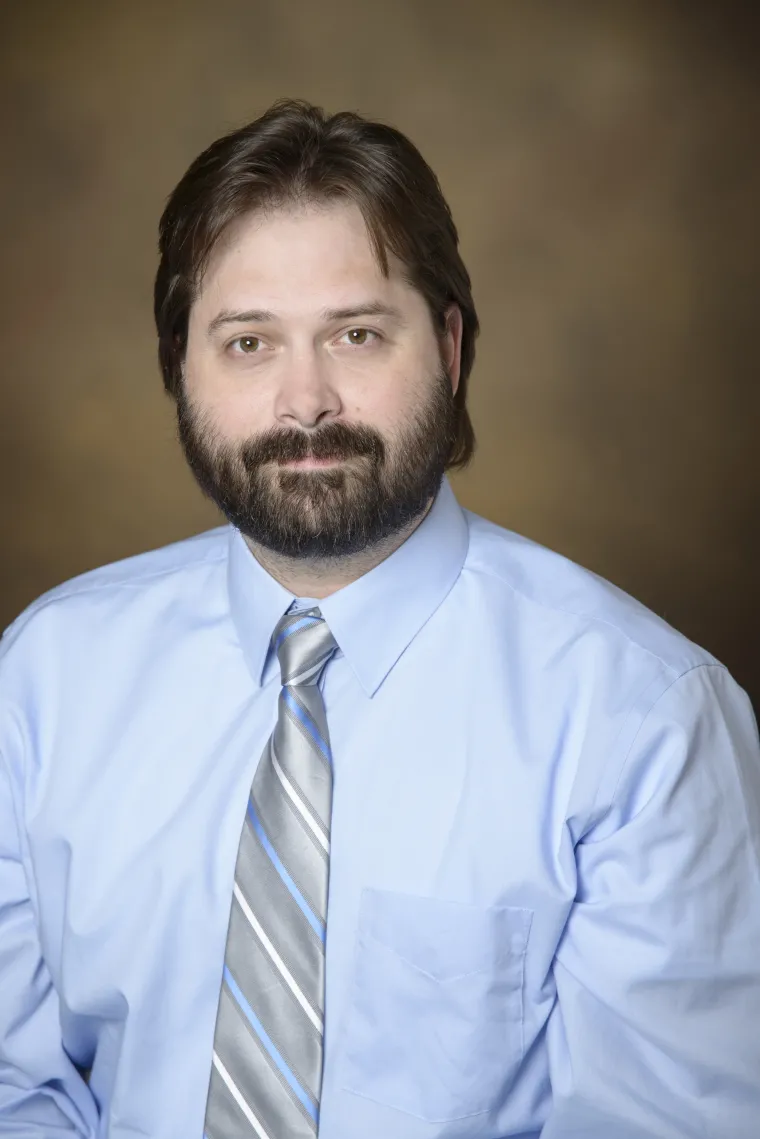
Michael Duerden, MD
Clinical Specialties
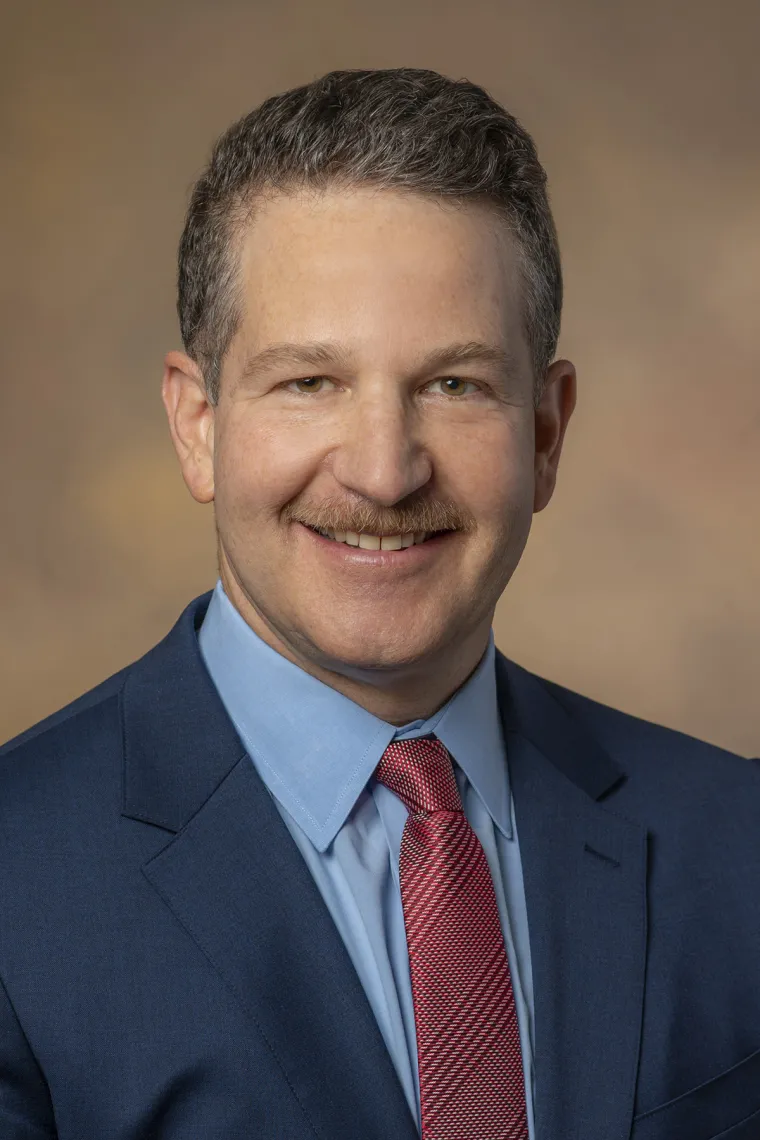
Jordan Karp, MD

Jasmine Singh, MD
Clinical Specialties
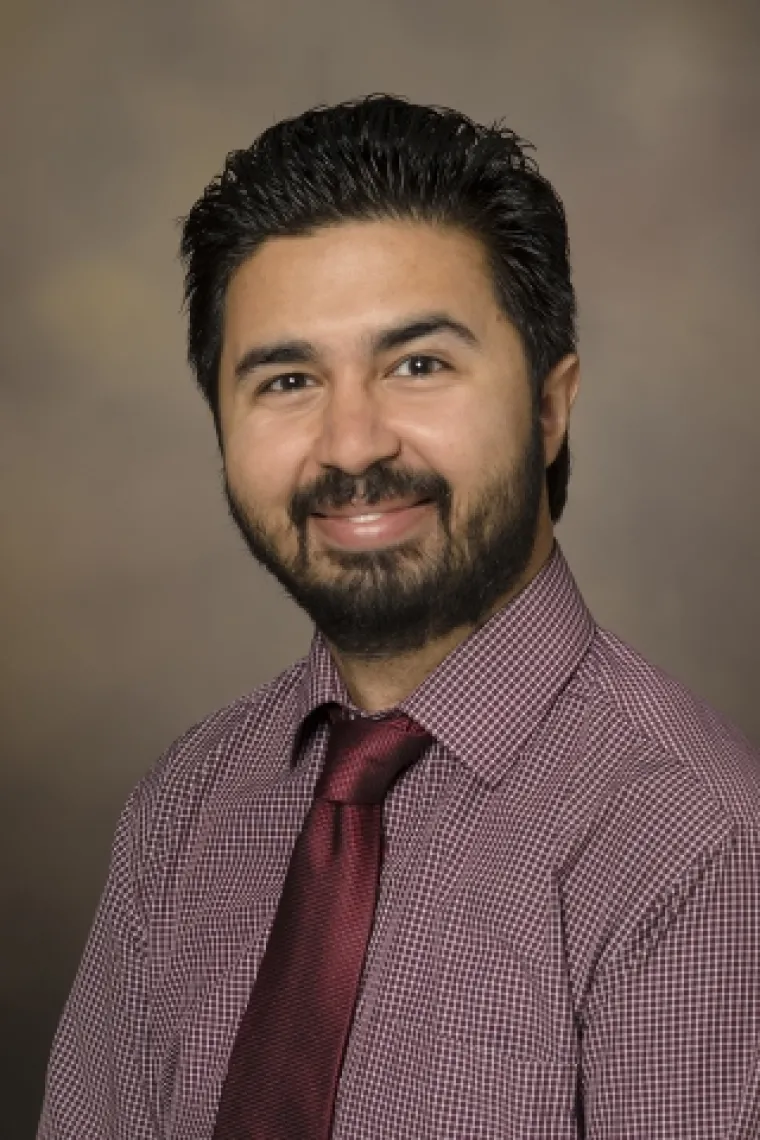
Fellows
No fellows this year.
Class of 2026

Kaley R. Canova-Gaitros, DO
Geriatric Psychiatry Fellow
Dr. Canova-Gaitros was born and raised in Tallahassee, Florida. During medical school, she chose to spend an additional year of training to complete an undergraduate clinical teaching fellowship and continues to have a passion for medical education at the undergraduate and graduate levels.
Outside of training, you can catch Dr. Canova-Gaitros watching a myriad of different sports throughout the year (especially FSU athletics, the NFL and the WNBA), visiting the beaches back in Florida, checking out new restaurants, watching movies and spending time with her cat, Cairo. She enjoys playing the piano and singing when time allows.
Class of 2023

Adiel Carlo, MD
Geriatric Psychiatry Fellow
Dr. Carlo works at the Southern Arizona Veterans Administration hospital, joining the department as VA-affiliated faculty following her fellowship. During her downtime, she can be found eating, baking or discovering new shows to watch on Netflix.

Michael Duerden, MD
Geriatric Psychiatry Fellow
After completing his fellowship, Dr. Duerden joined the department as VA-affiliated faculty. In his personal time, Dr. Duerden is a self-identified geek who enjoys board games, video games, audiobooks, going on outdoor adventures with his dogs, podcasts, movies and other nerdy pursuits.
Class of 2020

Matthew Erisman, MD
Geriatric Psychiatry Fellow
Dr. Erisman’s interest in neuroscience and its intersection with psychology led him to psychiatry, where he became part of the Department of Psychiatry’s core faculty. Outside of work, he enjoys hiking around Tucson, snorkeling, scuba diving, history and science fiction.

Jasmine Singh, MD
Geriatric Psychiatry Fellow
Dr. Singh attended the State University of New York at Stony Brook as an undergraduate and received her bachelor’s degree in anthropology. She received her medical degree from the Windsor University School of Medicine in Saint Kitts, West Indies. Following graduation, Dr. Singh completed one year of research in pediatric neurology. Her professional interests include geriatric psychiatry, where she completed her fellowship and joined the Department of Psychiatry as core faculty. Her interests include spending time with her dog, Brody, cooking, painting, biking and exploring more of what Tucson has to offer.
Marianne Klugheit, MD
Clinical Specialties
Steven Schaefer, MA
Banner – University Medical Center South
Department of Psychiatry, Behavioral Health Pavilion
Geriatric Psychiatry Fellowship
Attn: Steve Schaefer, 2nd Floor
2800 E. Ajo Way
Tucson, AZ 85713
Fellowship Program Coordinators

Steven Schaefer, MA


Training In Tucson

All About Tucson
Learn about salary and benefits, things to do in Tucson, our desert climate and the region’s culture.

Resident/Fellow Well-being
We’re committed to providing resources to support your well-being.

Bilingual Medical Spanish Distinction Track
Become better prepared to serve your Spanish-speaking patients.

Grand Rounds, Conferences and Events
Learn about psychiatry’s events, events across the college or filter results according to your interests.