

Radiology and Imaging Sciences
Interventional Radiology – Independent Residency
The Interventional Radiology – Independent Residency Training Program is a two-year, ACGME-accredited residency designed for physicians who have completed a four-year diagnostic radiology residency. The program provides comprehensive clinical training with a strong emphasis on procedural and peri-procedural patient care. Residents develop the clinical expertise, technical skills and multidisciplinary perspective required for independent practice in interventional radiology.
Program Director
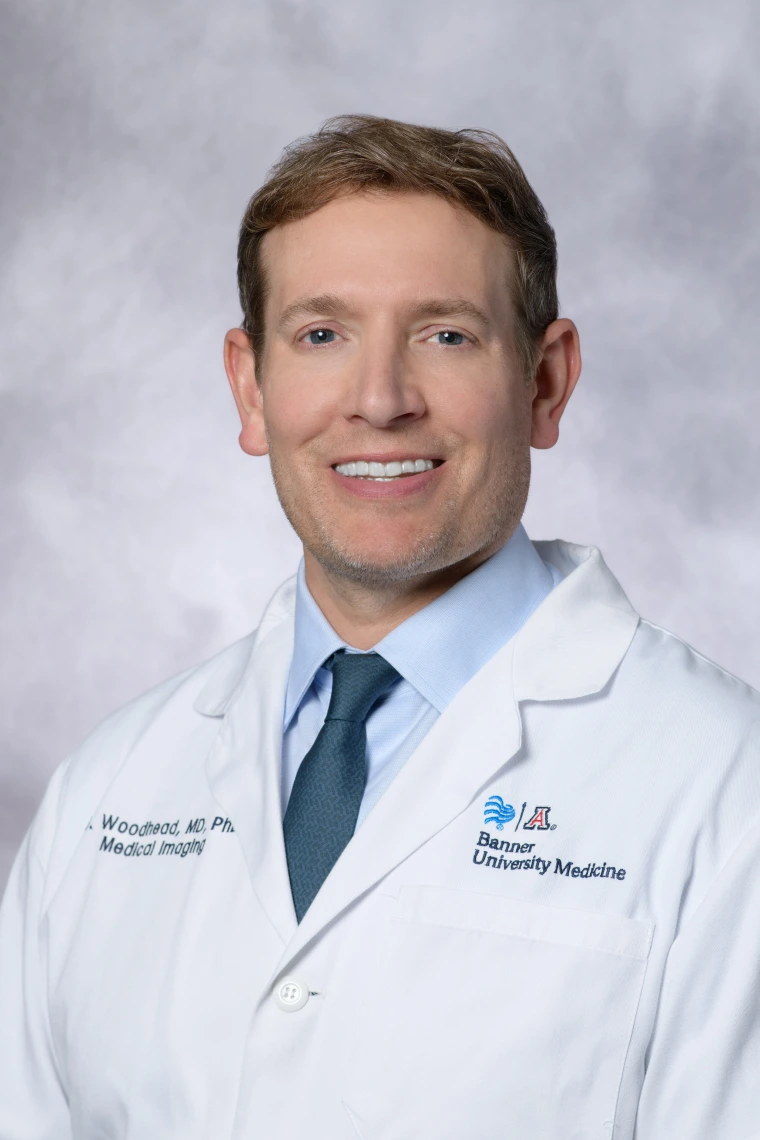
Gregory Woodhead, MD, PhD
Clinical Specialties
Associate Program Directors
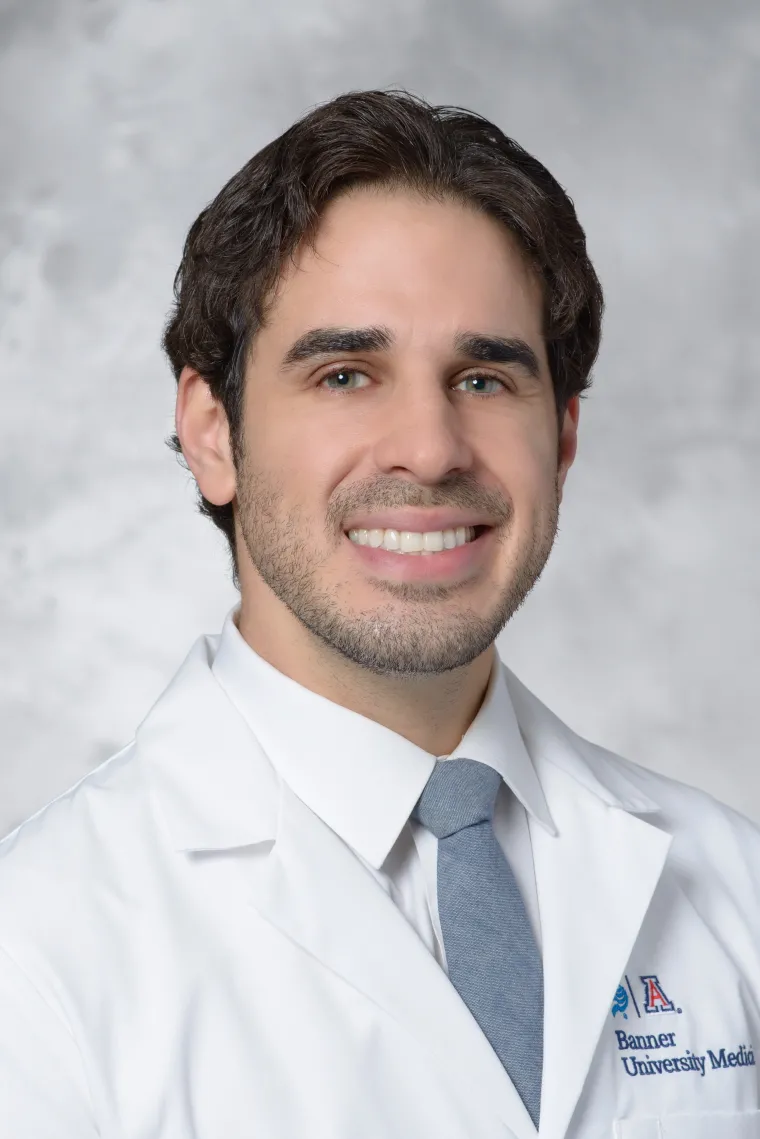
Jack Hannallah, MD, MPH, MBA
Clinical Specialties
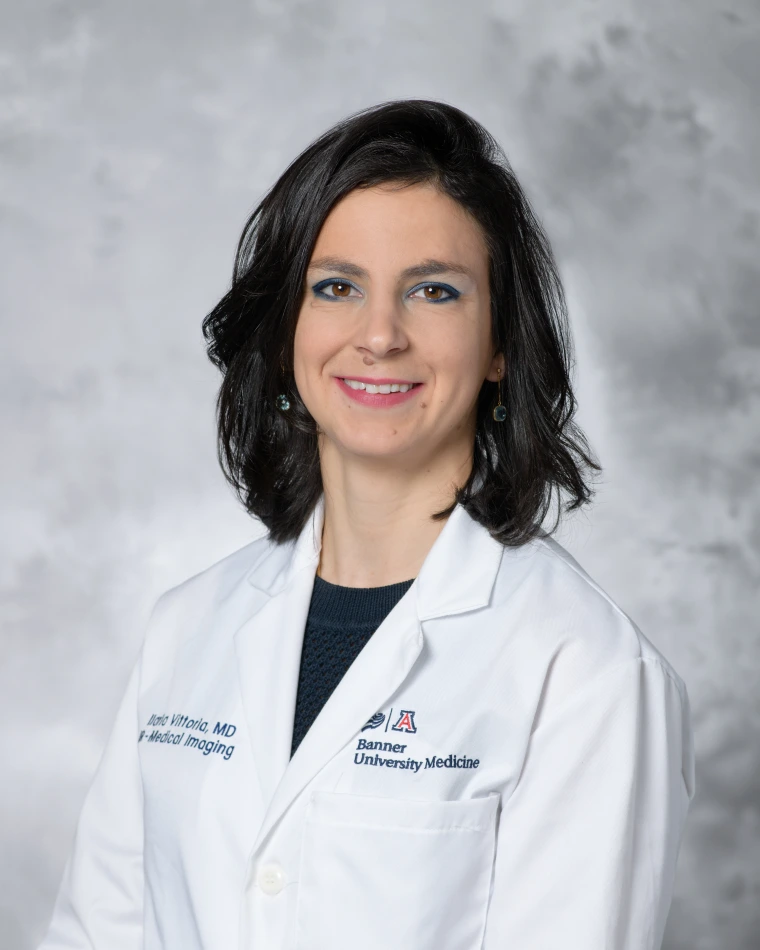
Ilaria Vittoria De Martini, MD
Clinical Specialties
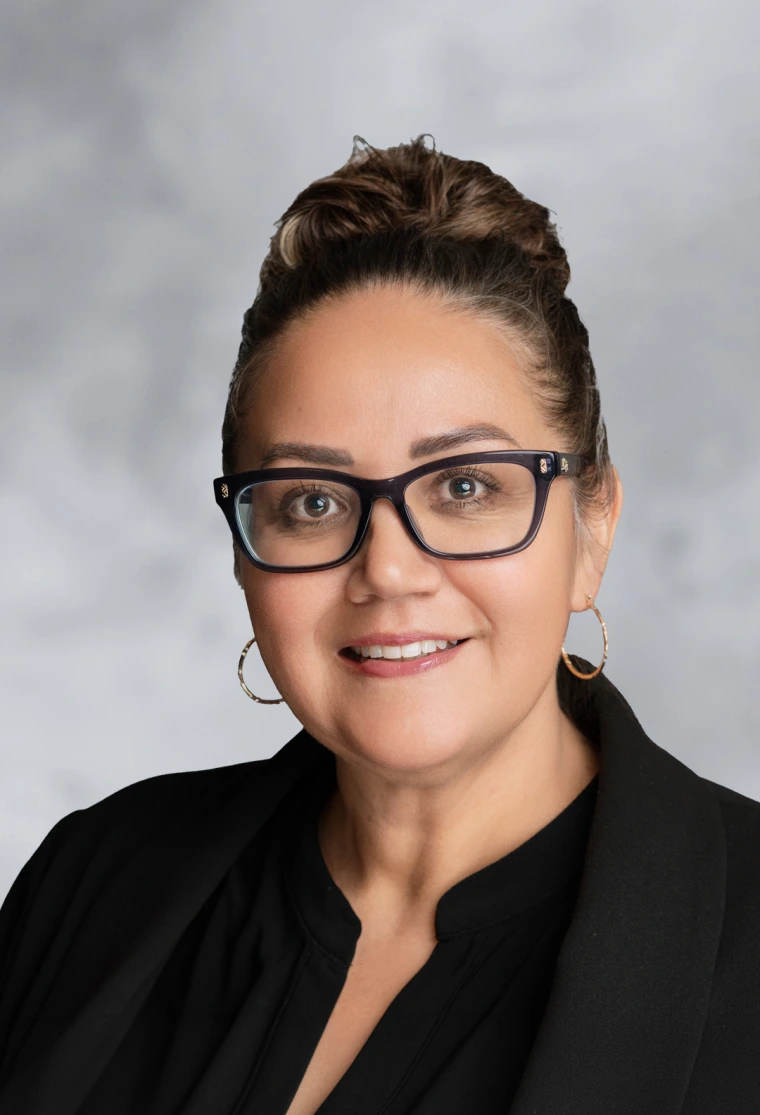
Ina Rios, MBA, C-TAGME
About Our Program
Our Interventional Radiology - Independent Residency Program serves as the second year of a two-year training program for the Early Specialization in Interventional Radiology (ESIR), after residents graduate from the diagnostic residency program.
In addition to our dedicated faculty, plus a top-notch medical school and excellent hospital affiliation, Tucson offers a wealth of cultural and artistic amenities on top of its physical beauty. With its long tradition as a university town, Tucson is a hub of diversity and intellectual pursuits, and a great place to raise a family.
At a Glance
- High‑volume procedural training: Extensive hands‑on experience in vascular, oncologic, hepatobiliary, trauma and non‑vascular interventions.
- Level I Trauma Center exposure: Robust emergency and inpatient IR practice at Banner – University Medical Center Tucson.
- Comprehensive clinical IR practice: Longitudinal patient management through consults, clinics and follow‑up care.
- Advanced imaging and procedural technology: Modern IR suites, ultrasound, CT‑guided interventions and image‑fusion capabilities.
- Strong mentorship and subspecialty faculty: Direct training with experienced interventional radiologists committed to resident growth.
- Preparation for independent practice: Graduated autonomy and case diversity that build confidence and readiness for real‑world IR practice.
- Research and academic opportunities: Access to clinical research, device innovation and interdisciplinary collaboration across the University of Arizona campus, with strong resident participation in annual national society meetings such as SIR and GEST.
The Interventional Radiology - Independent residency includes essential clinical rotations, such as outpatient clinic experiences and inpatient rounding and consult services. This program lays a strong foundation for careers in interventional radiology, leading to dual certification in Interventional Radiology and Diagnostic Radiology, and preparing trainees for the IR/DR Certifying Examination.
The Interventional Radiology - Independent program includes mandatory ICU rotations during the first year and non-invasive vascular imaging experience, such as advanced computed tomography angiography (CTA) and magnetic resonance angiography (MRA) imaging techniques. Training encompasses the supervised performance of imaging-guided diagnostic and interventional procedures for various disorders, enhancing residents’ understanding of the signs and symptoms relevant to minimally invasive techniques. The curriculum also covers the fundamentals of radiation physics, biology and protection, encompassing the full clinical spectrum of vascular and interventional radiology, including both vascular and non-vascular interventions.
During the program, residents gradually assume increasing responsibility under the close supervision of faculty members, with evaluations conducted quarterly to provide feedback on their educational progress. Biannual meetings with the training directors further support this development. The Interventional Radiology - Independent program aligns with the goals of both the academic and clinical programs, offering residents opportunities to learn and participate in diagnostic imaging, minimally invasive procedures and research.
The IR - Independent program accommodates both ESIR-trained and non-ESIR-trained residents, with the option to accept one or both categories. Candidates seeking admission to the second and final year must have successfully completed an Early Specialization in Interventional Radiology (ESIR) program from an ACGME-accredited institution.
Apply Now for Open Positions

We are excited to invite motivated and passionate candidates to join the University of Arizona’s Interventional Radiology – Independent Residency Program. Our program fosters a dynamic training environment, specifically designed to cultivate the next generation of leaders in interventional radiology.
Currently Open
Start date: July 1, 2027 (two positions)
Start date: July 1, 2028 (two positions for NRMP match)
Application Requirements
Eligible candidates will have successfully completed an ACGME- or RCPSC-accredited diagnostic radiology residency that includes a minimum of four months of training in nuclear radiology. Learn more about Independent IR requirements.
- Completed application
- Curriculum vitae formatted to include month/year for all educational and employment periods; please address any gaps in time.
- Personal statement
- Medical school transcripts
- Medical Student Performance Evaluation (MSPE)
- Three current letters of recommendation (LOR), dated no more than 12 months prior to the application date. Each letter should be on official letterhead and signed by the reference giver.
- Pass on the United States Medical Licensing Examination (USMLE) Step 1 and Step 2 with a minimum score of 250
- ECFMG certificate (for IMG)
Apply
Submit application materials to Ina Rios, MBA, C-TAGME.
Next Steps
Selected candidates will be contacted for interviews via email. Invited applicants will meet with the program director and faculty members on the residency selection committee.
Application Requirements
Eligible candidates will have successfully completed an ACGME- or RCPSC-accredited diagnostic radiology residency that includes a minimum of four months of training in nuclear radiology. Learn more about Independent IR requirements. We participate in the National Residency Matching Program (NRMP), wherein applications are processed through the Electronic Residency Application Service (ERAS).
- Completed application
- Curriculum vitae formatted to include month/year for all educational and employment periods; please address any gaps in time.
- Personal statement
- Medical school transcripts
- Medical Student Performance Evaluation (MSPE)
- Three current letters of recommendation (LOR), dated no more than 12 months prior to the application date. Each letter should be on official letterhead and signed by the reference giver.
- Pass on the United States Medical Licensing Examination (USMLE) Step 1 and Step 2 with a minimum score of 250
- ECFMG certificate (for IMG)
Deadline
The deadline for complete applications through ERAS is November 1 of the current year. Please note that only completed applications will be reviewed by the College of Medicine – Tucson Radiology Residency Selection Committee.
Next Steps
Selected candidates will be contacted for interviews via email starting early October of the current year. Interviews are scheduled October through January. Invited applicants will meet with the program director and three faculty members on the residency selection committee. The committee finalizes the match list after reviewing all of the applicants’ materials and interview evaluations.
Ina Rios, MBA, C-TAGME
Residency Programs

Learn about our department’s diagnostic radiology residency program.

Learn about our department’s interventional radiology - integrated program.

Check out our newest residency program in nuclear medicine.
Training in Tucson


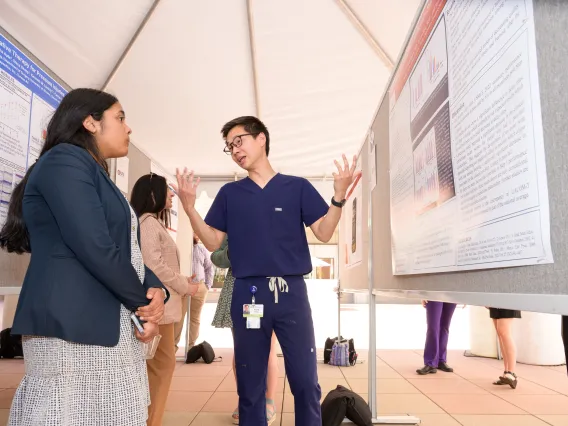


Learn more about the residency and fellowship programs at the College of Medicine – Tucson.
Ina Rios, MBA, C-TAGME
Program Coordinator, Senior
520-626-1640
imrios@arizona.edu